Journalism of Courage
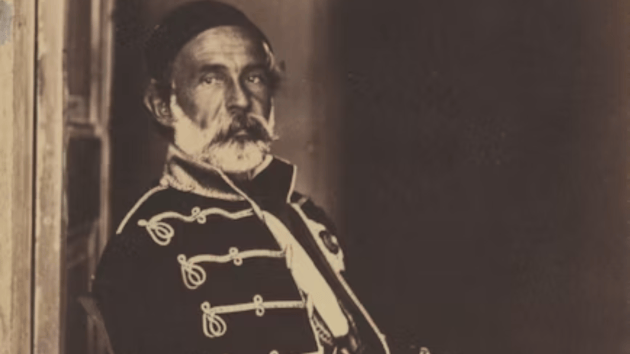
Military uniforms have often been designed for much more than protection. Throughout history, armies have used striking colours, elaborate headgear and unusual silhouettes to signal rank, intimidate opponents or adapt to extreme environments. From feathered cavalry wings to colourful Renaissance-inspired uniforms, these are some of the strangest military fashions in history. (unsplash)
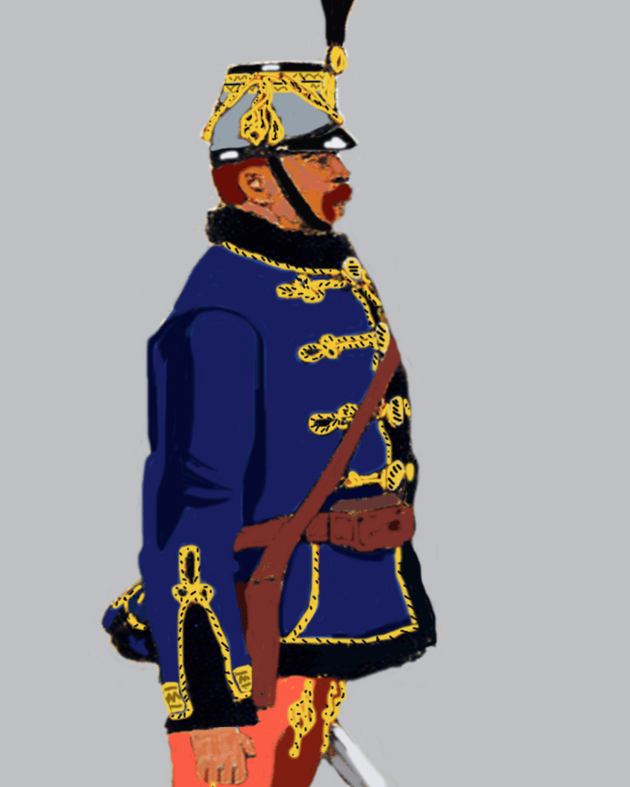
American Hussar-Style Uniforms: After the War of 1812, some American volunteer cavalry and militia units experimented with elaborate European hussar-inspired clothing. Their outfits featured braided jackets, fur-trimmed pelisses, tight breeches and tall fur busbies with plumes. The look projected prestige and flair but proved heavy and impractical for frontier warfare, and the fashion largely disappeared within a decade. (wikimedia commons)
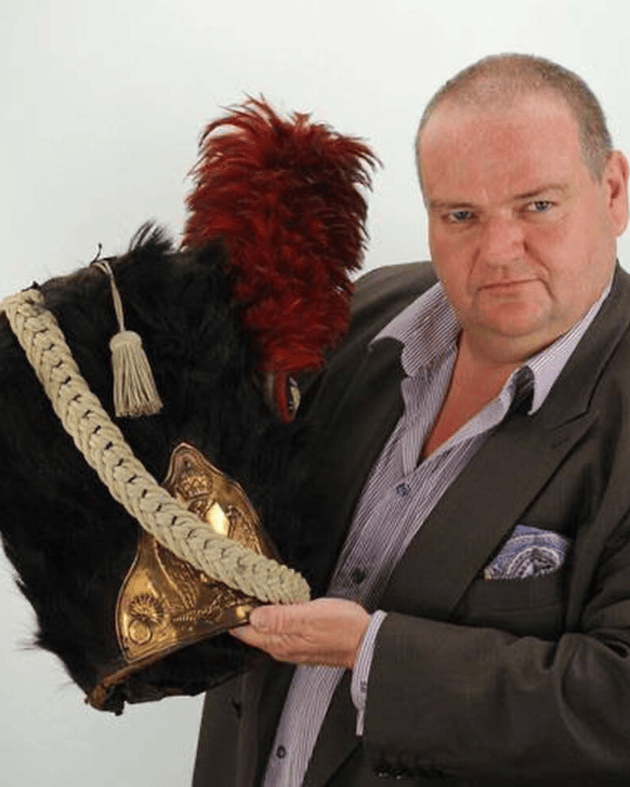
Napoleon’s Towering Bearskins: Napoleon’s Imperial Guard grenadiers wore enormous bearskin caps that could add almost a foot to a soldier’s apparent height. The heavy headgear was hot and uncomfortable, but it created an imposing silhouette and helped project the power of Napoleon’s elite troops. The style later influenced the ceremonial bearskin caps still associated with some modern military units. (wikimedia commons)
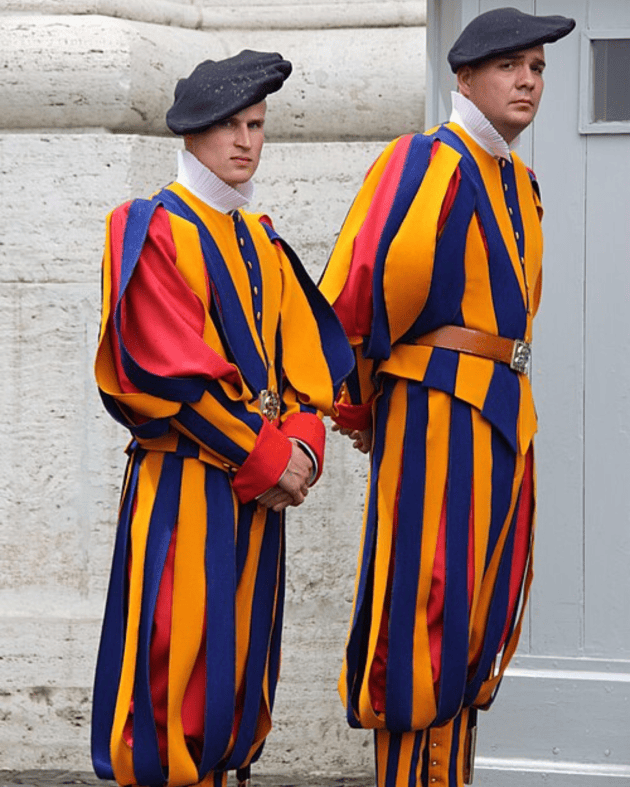
Swiss Guard’s Colourful Uniforms: Slide 2: Swiss Guard’s Colourful Uniforms The Swiss Guard protecting the Vatican is instantly recognisable for its blue, red and yellow striped uniform, puffed sleeves and breeches. Although often associated with Renaissance military fashion, the current design was actually created in 1910 by Swiss Guard commander Jules Repond. The elaborate outfit is deliberately archaic, emphasising ceremony, tradition and the Guard’s historic identity. (wikimedia commons)
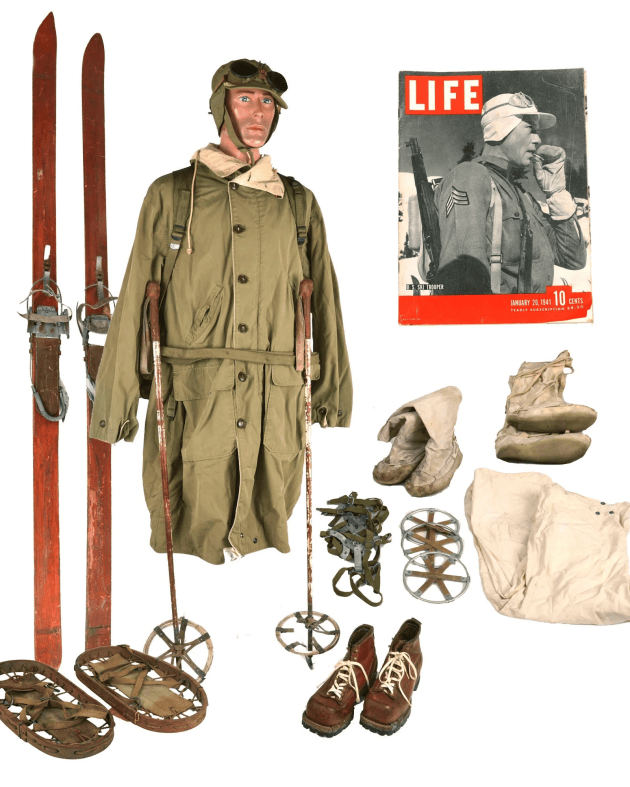
The 10th Mountain Division’s Ski Uniforms: During World War II, the U.S. Army’s 10th Mountain Division trained for combat in snowy, mountainous terrain. Its soldiers wore reversible ski parkas, white over-trousers, wool layers, goggles and ski boots, along with white wooden skis. The unusual appearance was dictated by survival rather than ceremony, with the white clothing providing camouflage in snowy landscapes. (wikimedia commons)
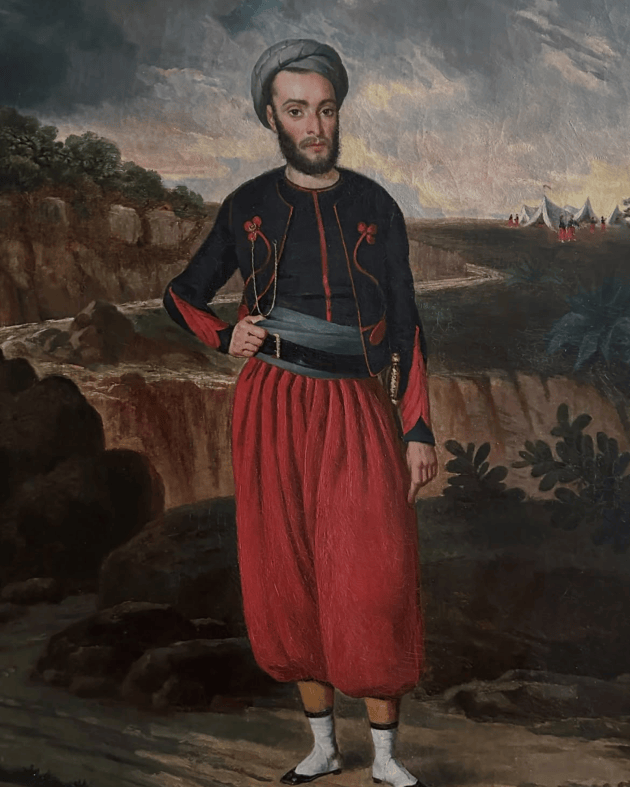
The Flamboyant Zouaves: Zouave uniforms were among the most colourful military outfits of the 19th century. Inspired by North African military dress, they featured short jackets, heavily decorated vests, voluminous trousers, bright sashes and fezzes. The style was later copied by several Union and Confederate regiments during the U.S. Civil War, where its striking appearance made these units instantly recognisable. (wikimedia commons)
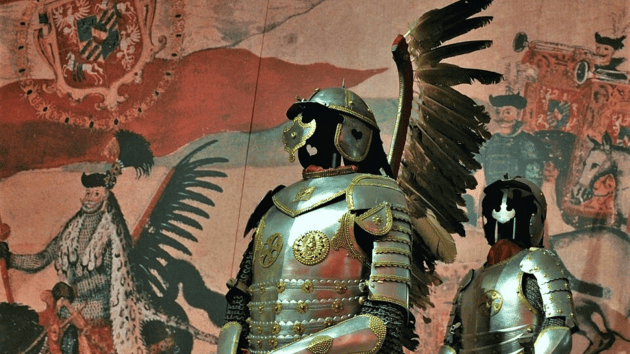
The Winged Hussars: The Polish-Lithuanian Commonwealth’s Winged Hussars were famous for the large feathered “wings” attached to their armour or saddles. Used by elite heavy cavalry from the late 16th to early 18th centuries, the dramatic accessories added to the theatrical appearance of their charges. Their psychological effect may have been more important than any direct battlefield function. (wikimedia commons)