Journalism of Courage
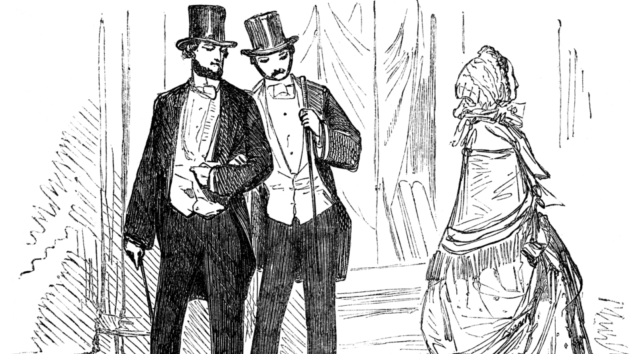
Victorian England was an age of remarkable scientific progress, but new discoveries also came with some extraordinary misconceptions. From the belief that bad smells caused disease to the idea that a murder victim’s eyes could reveal their killer, several ideas were once presented as scientific fact but were later disproved. (Wikimedia commons)
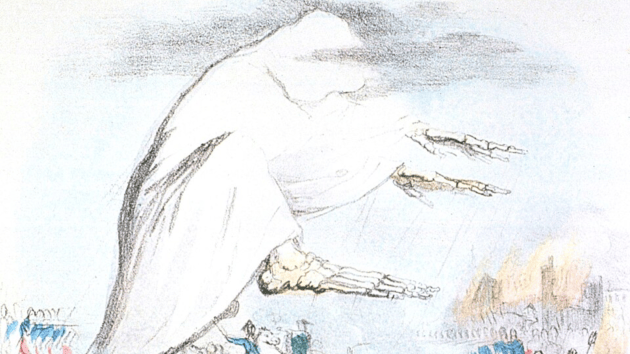
Bad Smells Caused Diseases: Before germ theory became widely accepted, many people believed diseases were caused by foul-smelling air, known as “miasma”. The theory held that rotting organic matter released poisonous vapours that could cause illness. By the 1870s, evidence from scientists including Louis Pasteur and Robert Koch helped establish that microorganisms, rather than bad smells, were responsible for infectious diseases. (Wikimedia commons)
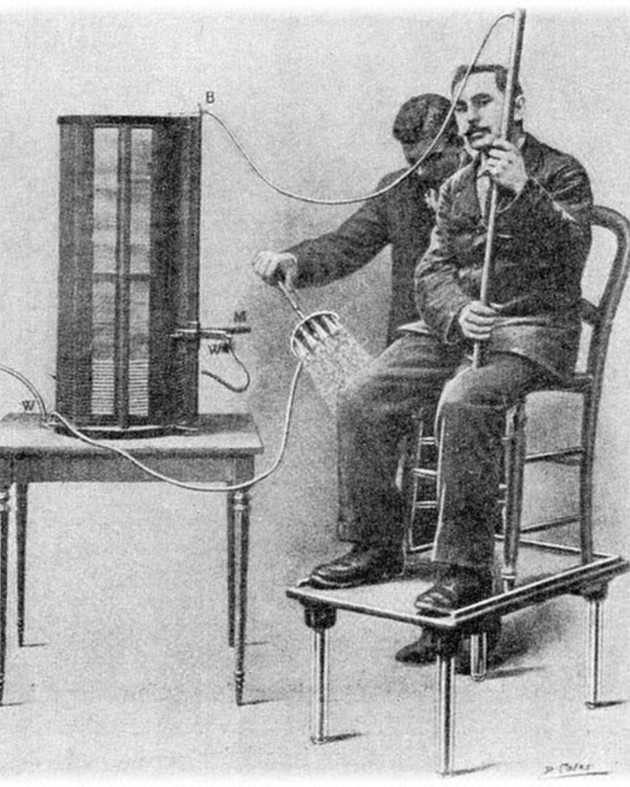
Electric Shocks Could Cure Almost Anything: The Victorian fascination with electricity extended into medicine, with some people believing that electrical shocks could treat a huge range of ailments. Household devices including electric hair brushes, corsets and suspenders were marketed for their supposed health benefits. Electropathic belts were another popular contraption, but these devices offered little meaningful medical benefit. (wikimedia commons)
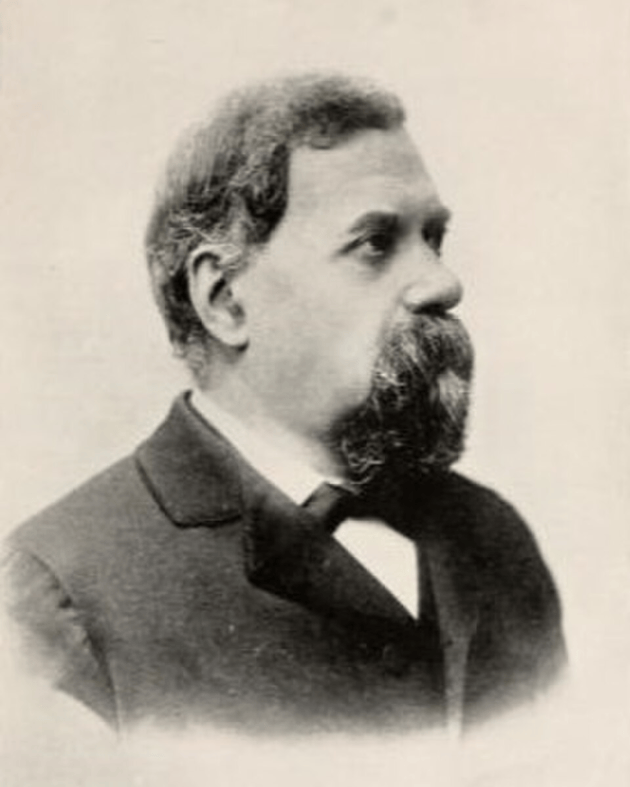
Mars Had Canals Built by Aliens: In 1877, Italian astronomer Giovanni Schiaparelli described markings on Mars as canali, meaning channels. The word was mistranslated into English as “canals”, encouraging the idea that they had been constructed artificially. American astronomer Percival Lowell later argued that the markings were evidence of an advanced Martian civilisation that had built an enormous irrigation system. The supposed canals were eventually shown to be an optical illusion rather than evidence of extra-terrestrial engineering. (wikimedia commons)
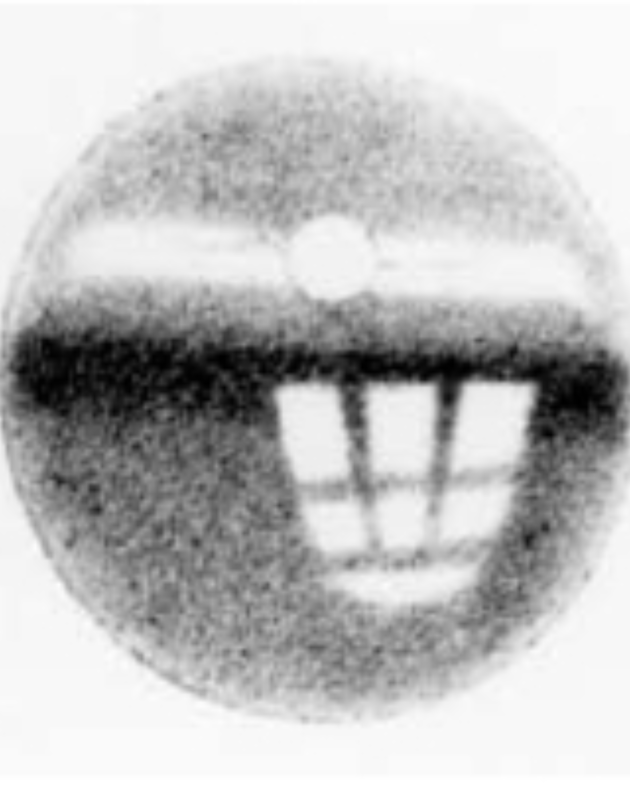
A Murder Victim's Eyes Could Reveal Their Killer: Victorian scientists entertained the bizarre idea that the retina preserved an image of the last thing a person saw before death. This supposed image was called an “optogram”, and some believed it could reveal the face of a murderer. The theory was eventually debunked, although belief in optograms persisted into the 20th century. (wikimedia commons)
Thoughts Could Be Transferred to Heal People: Some Victorian researchers believed in “thought transference” — the idea that thoughts could be transmitted from one person's mind to another. The belief was taken seriously enough for the Society for Psychical Research to be founded in Britain in 1882 to investigate supernatural phenomena, including alleged mind-to-mind communication. (wikimedia commons)
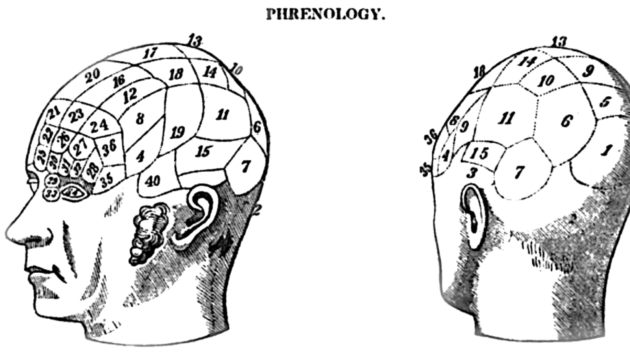
Your Skull Revealed Your Personality: Phrenology claimed that the shape and bumps of a person's skull could reveal their personality and character. Practitioners believed different areas of the brain controlled particular traits and that these could be identified by examining the skull. The theory was eventually discredited and was also used to give a supposedly scientific justification to racist ideas of the period. (Wikimedia commons)