Journalism of Courage
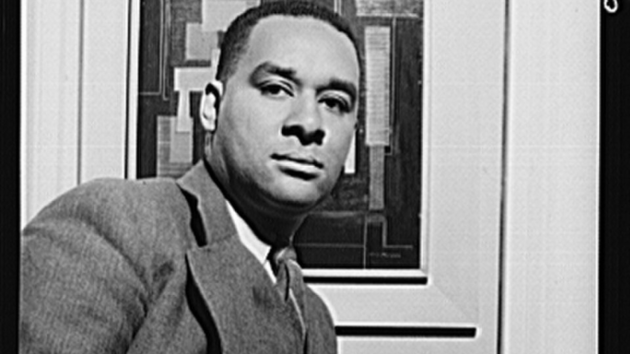
Richard Nathaniel Wright was one of the most influential American writers of the 20th Century, best known for Native Son and Black Boy. But behind his landmark works was a complicated life shaped by poverty, racism, political disillusionment, a fierce hunger for books and, eventually, life as an expatriate in Paris. (wikimedia commons)
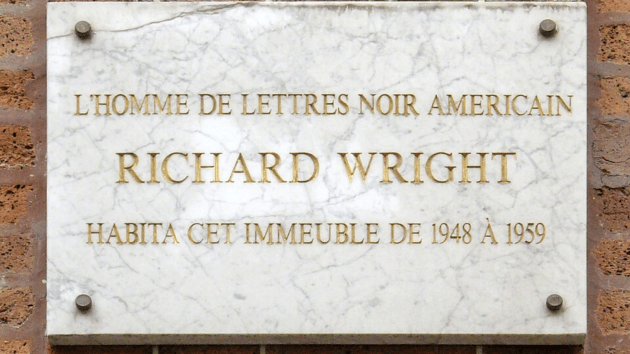
He discovered writing very young: Wright’s ambition to become a writer began in childhood, despite growing up in a deeply religious household where secular books were discouraged. At just 16, he had his first short story, “The Voodoo of Hell’s Half-Acre,” published in a Black newspaper in Memphis. (wikimedia commons)
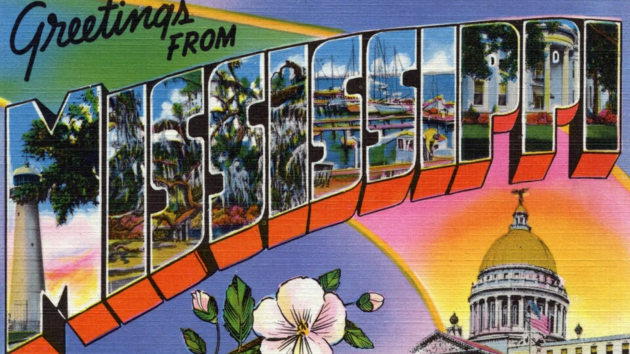
Poverty shaped his early life: Born in Mississippi in 1908 to a sharecropper father and schoolteacher mother, Wright experienced severe poverty and frequent moves during childhood. His father left when he was five, while his mother’s illness meant Wright had to shoulder responsibilities that often interrupted his education. (wikimedia commons)
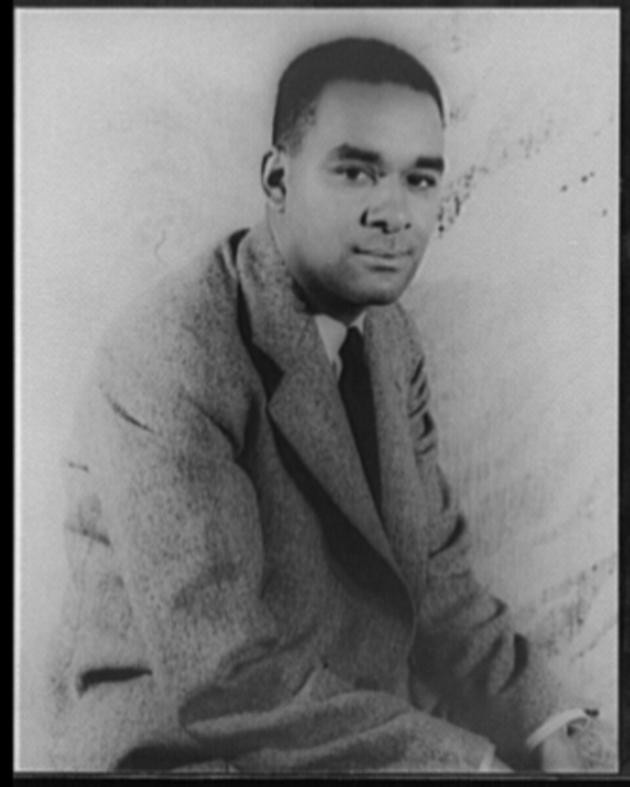
He taught himself through forbidden reading: Books became Wright’s escape and education. His grandparents’ strict Seventh-day Adventist household discouraged secular literature, but he secretly sought out newspapers, pulp magazines, detective stories and other writings. These early reading experiences helped fuel his determination to become a professional writer. (wikimedia commons)
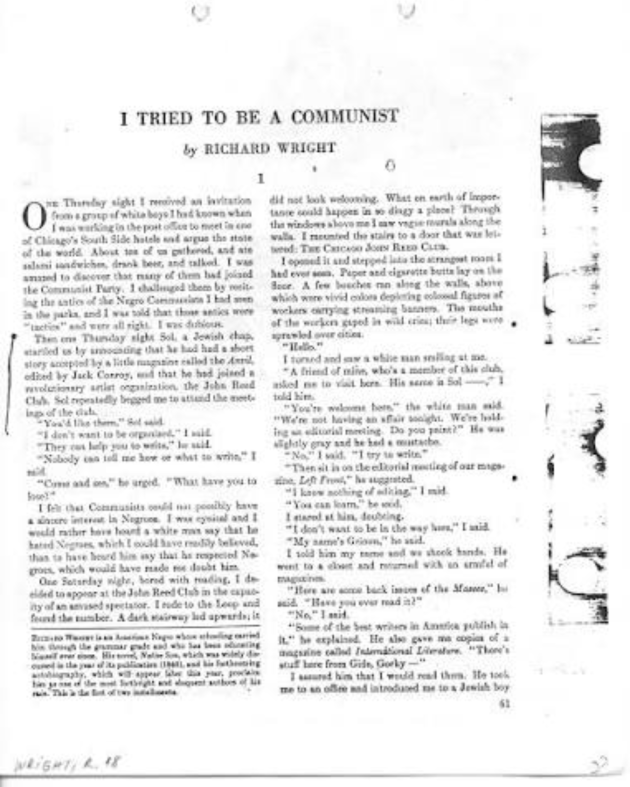
He was once part of the Communist Party: After moving to Chicago in 1927, Wright became increasingly interested in left-wing politics and joined the Communist Party in 1932. He eventually became disillusioned with the organisation and left in 1944, later writing about the experience in his essay I Tried to Be a Communist. (scalar.usc.edu)
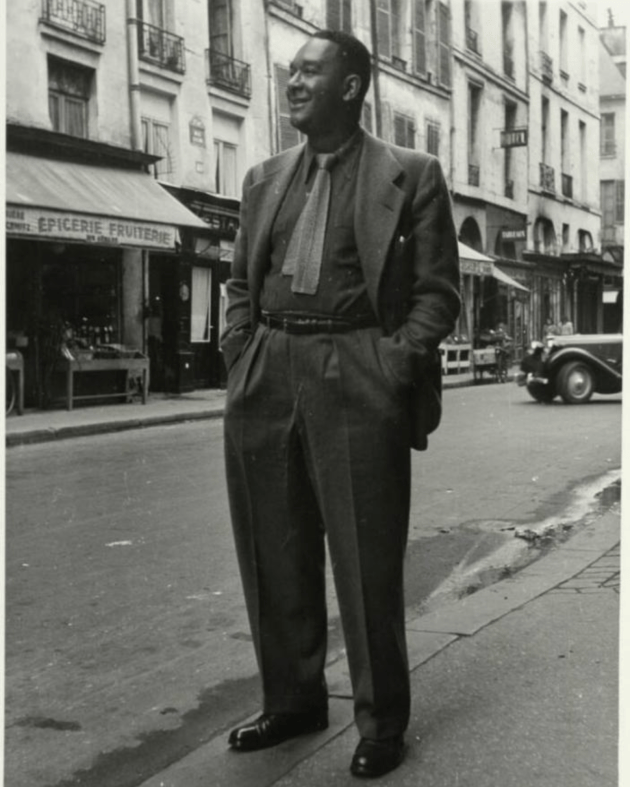
Paris became his permanent home: Wright left the United States for France in the mid-1940s, eventually settling in Paris with his family. He spent the remainder of his life there, becoming an important figure in the city’s community of Black American expatriates while continuing to write about race, politics and identity. (emuseum.mfah.org)
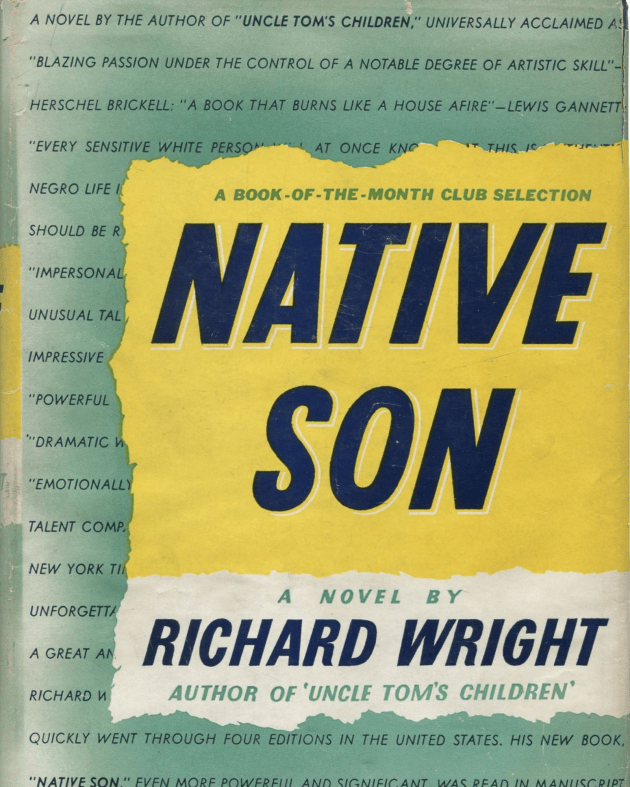
His legacy went beyond Native Son: Wright’s influence extended far beyond Native Son and Black Boy. His Uncle Tom’s Children, novels, essays and later works helped establish a powerful tradition of protest literature and influenced generations of Black writers who followed him. He died in Paris in 1960 at the age of 52. (wikipedia)