Journalism of Courage
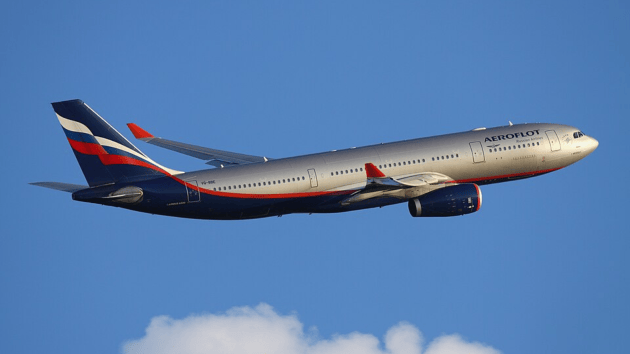
Some aircraft have become famous not simply because they flew, but because they changed what humanity believed was possible. From the Wright brothers' pioneering Flyer to the supersonic Concorde and the iconic Boeing 747, these planes became milestones in the history of aviation. (Source: Photo by wikimedia commons)
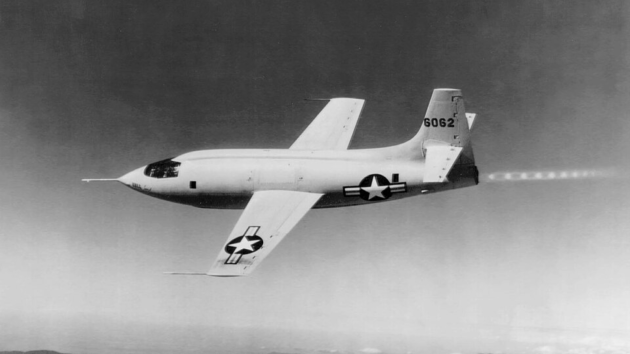
Bell X-1: The Bell X-1 became the first crewed aircraft to officially break the sound barrier in level flight. On October 14, 1947, US Air Force pilot Chuck Yeager flew the rocket-powered aircraft to Mach 1.06 over California. Its breakthrough demonstrated that controlled supersonic flight was possible and opened a new chapter in high-speed aviation research. (Source: Photo by wikimedia commons)
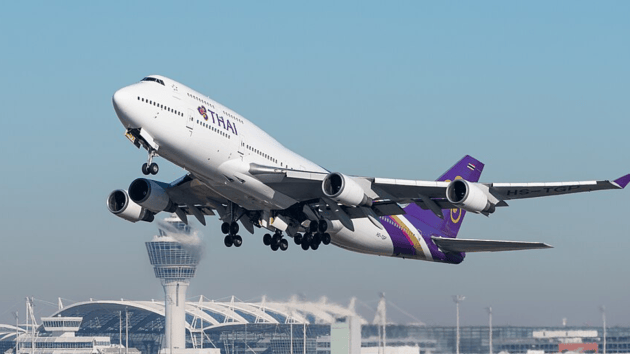
The Boeing 747: Known as the “Queen of the Skies”, the Boeing 747 transformed commercial aviation by making long-distance air travel possible on a much larger scale. It made its maiden flight in 1969 and became the world's first aircraft widely described as a jumbo jet. More than 1,574 were eventually purchased, and the final 747 was delivered in January 2023, ending more than five decades of production. (Source: Photo by wikimedia commons)
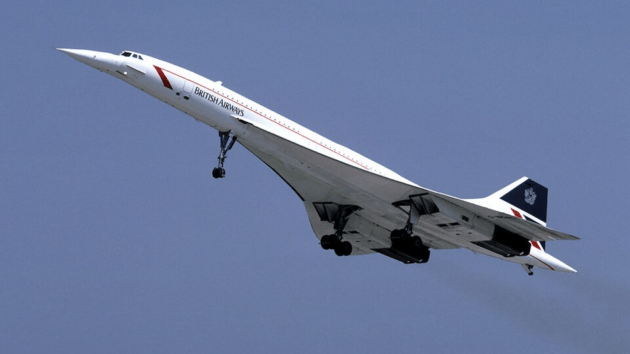
The Concorde: The Concorde became the world's first supersonic passenger aircraft, combining British and French aviation technology. It could cruise at about 1,350 mph, more than twice the speed of sound, allowing it to fly from London to New York in less than three and a half hours. Its high operating costs, however, made supersonic travel prohibitively expensive, and the aircraft was retired in 2003. (Source: Photo by wikimedia commons)
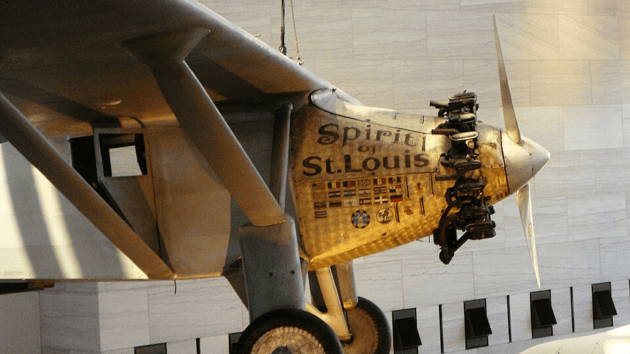
The Spirit Of St. Louis: On May 20, 1927, Charles Lindbergh took off from Long Island in the Spirit of St. Louis and completed the first nonstop solo flight across the Atlantic. After flying for 33 hours and 30 minutes, he landed near Paris, where a crowd of about 100,000 people awaited him. The single-engine aircraft had been specially modified to carry enough fuel for the historic journey. (Source: Photo by wikimedia commons)
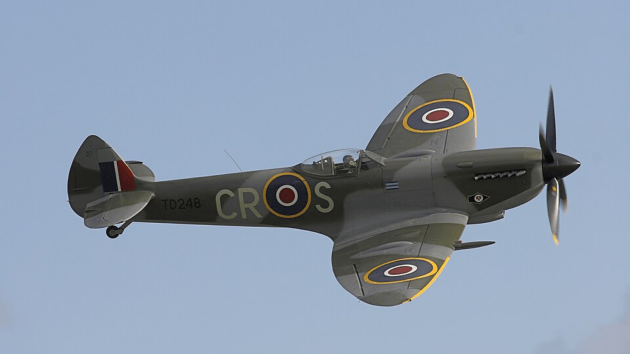
The Spitfire: The Supermarine Spitfire became one of Britain's most recognisable fighter aircraft during World War II. It played a crucial role in the 1940 Battle of Britain and was the only British fighter capable of taking on Germany's Messerschmitt Bf 109E on relatively equal terms. Its distinctive shape eventually made it an enduring symbol of Britain's wartime aviation history. (Source: Photo by wikimedia commons)
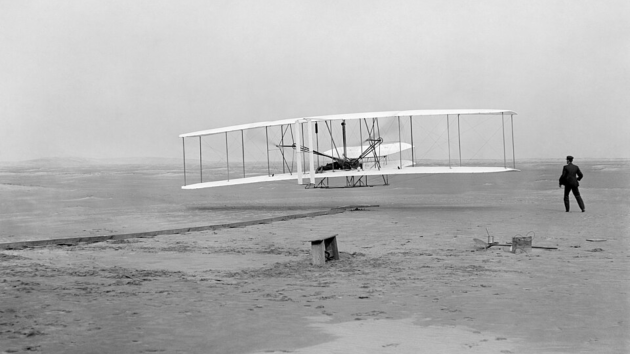
The Wright Flyer: On December 17, 1903, the Wright Flyer completed the world's first successful powered flight of a heavier-than-air aircraft at Kitty Hawk, North Carolina. Wilbur and Orville Wright's biplane had a 40-foot wingspan and a 12-horsepower engine. Its longest flight that day covered 838.5 feet in 59 seconds, marking a turning point in aviation history. (Source: Photo by wikimedia commons)