Journalism of Courage

The Burrito is one of the most popular and beloved foods around the world today, but its origins are deeply rooted in Mexican culinary traditions. Over time, it has evolved from a simple, practical meal into a global comfort food with countless variations. Here’s a look at the fascinating history of the burrito in six key points. (Source: Photo by unsplash )

Meaning Behind the Name: The word “burrito” means “little donkey” in Spanish. One popular theory suggests that vendors used donkeys to transport food, and the wrapped meals resembled the packs carried by these animals. (Source: Photo by unsplash )
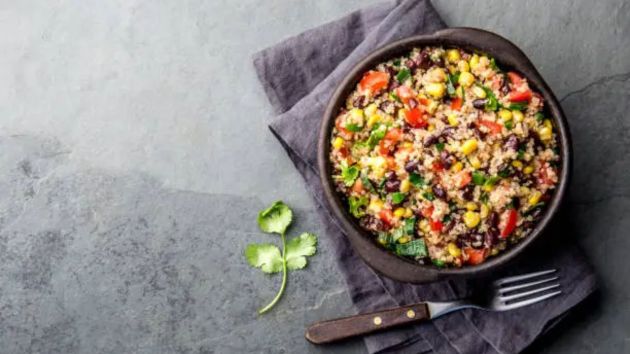
Origins in Northern Mexico: The burrito is believed to have originated in northern Mexico, particularly in regions like Chihuahua. It started as a simple wheat flour tortilla wrapped around basic fillings like beans, meat, or cheese, easy to carry and eat. (Source: Photo by unsplash )

A Practical Worker’s Meal: Burritos were originally a convenient meal for farmers and laborers. The tortilla kept the food warm and portable, making it ideal for long workdays in the fields. (Source: Photo by unsplash )
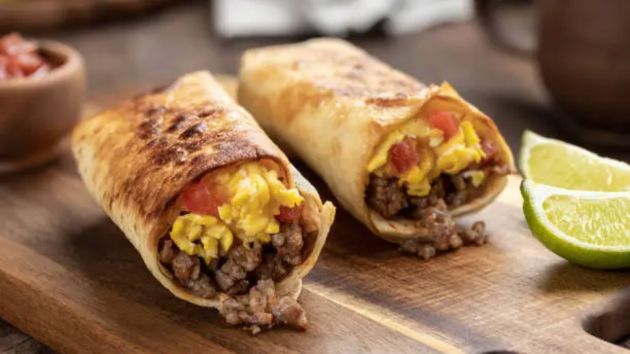
Evolution in the U.S: In the U.S., burritos became larger and more elaborate, often filled with rice, beans, meat, cheese, and sauces. This version is quite different from the simpler, traditional Mexican burrito. (Source: Photo by unsplash )
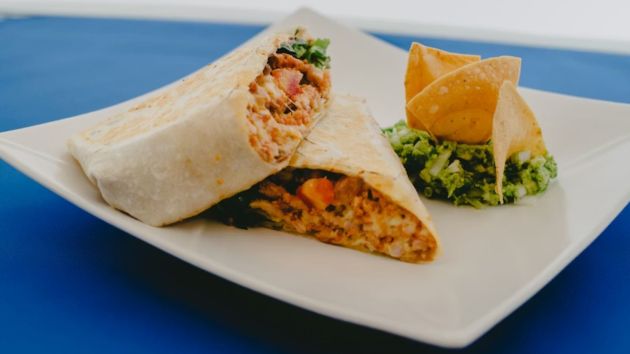
Crossing the Border: The burrito gained popularity in the United States in the early 20th century as Mexican migrants brought their food traditions with them. It gradually became a staple in Tex-Mex cuisine. (Source: Photo by unsplash )

A Global Favourite Today: Today, burritos are enjoyed worldwide, with countless variations and fusion styles. From fast-food chains to gourmet kitchens, they’ve become a symbol of comfort food with international appeal. (Source: Photo by unsplash )