Journalism of Courage
Love potions have been part of human history for as long as people have searched for ways to spark affection or win over a lover. Across ancient civilizations and royal courts, these so called magical mixtures combined herbs, food, ritual, and superstition. From India’s Kama Sutra to medieval Europe’s bizarre recipes, here’s the fascinating history behind love potions.
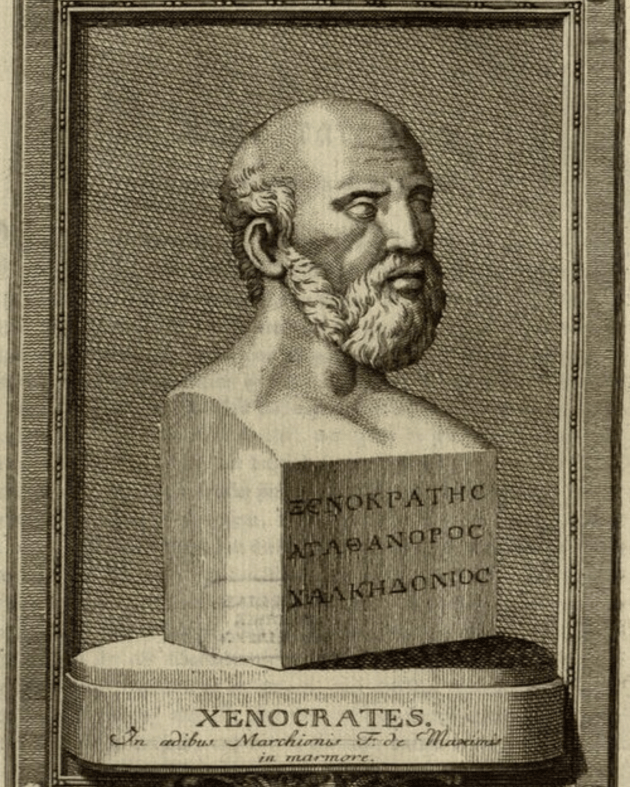
Ancient Greeks were among the earliest believers: In ancient Greece, love potions, known as “philtres” were widely used. The physician Xenocrates believed sap from the mallow plant could arouse passion, while mandrake and satyrion roots were prized for their supposed romantic powers.
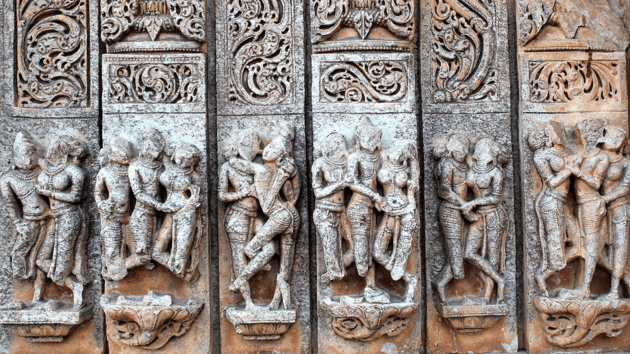
India’s Kama Sutra included love inducing remedies: Composed in North India around the third century BCE, the Kama Sutra wasn’t only about romance and relationships, it also described ways to attract a partner. One entry mentions a reed pipe treated with plant juices, believed to awaken desire in a potential lover.
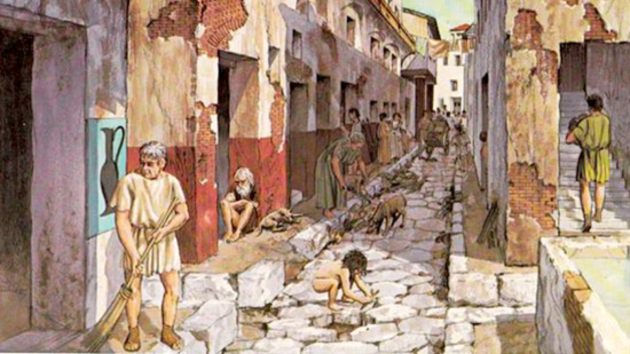
Rome turned love potions into a booming trade: The Romans embraced these mixtures too. In a busy district called the Sabura, charms and love concoctions were easy to find. Roman writer Apuleius was even put on trial for allegedly using recipes with spiced oysters, cuttlefish, and lobsters to win over a wealthy widow.

Islamic scholars had their own formulas: In the medieval Middle East and Africa, love brews reflected local ingredients. The 11th-century physician Ibn Sina wrote about a mixture of honey, pepper, and ginger. Later, The Perfumed Garden described another recipe using honey, onion juice, water, and pounded chickpeas.
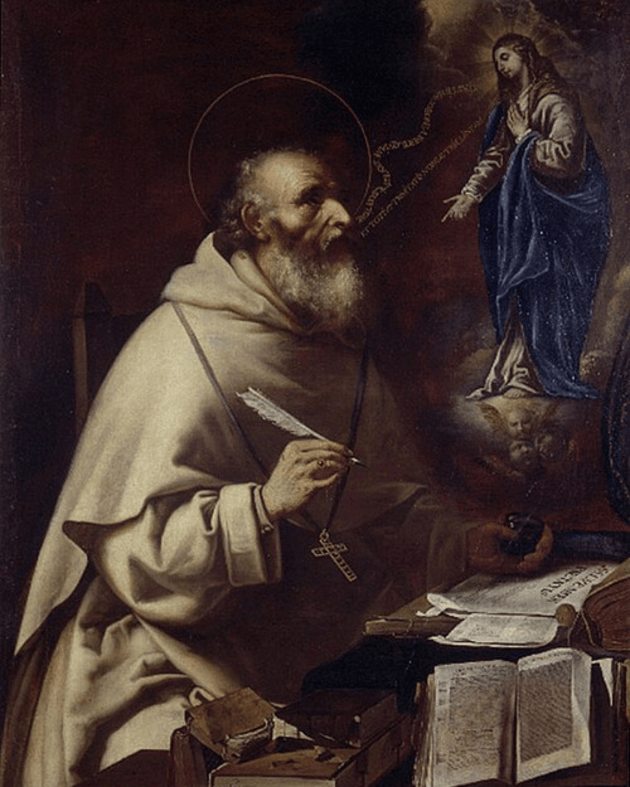
Medieval Europe got especially bizarre: By the Middle Ages, love potions had become stranger than ever. Along with herbs and food, some recipes called for animal parts and bodily fluids. The 13th century scholar Albertus Magnus even recorded unusual mixtures involving wolf parts and hair.
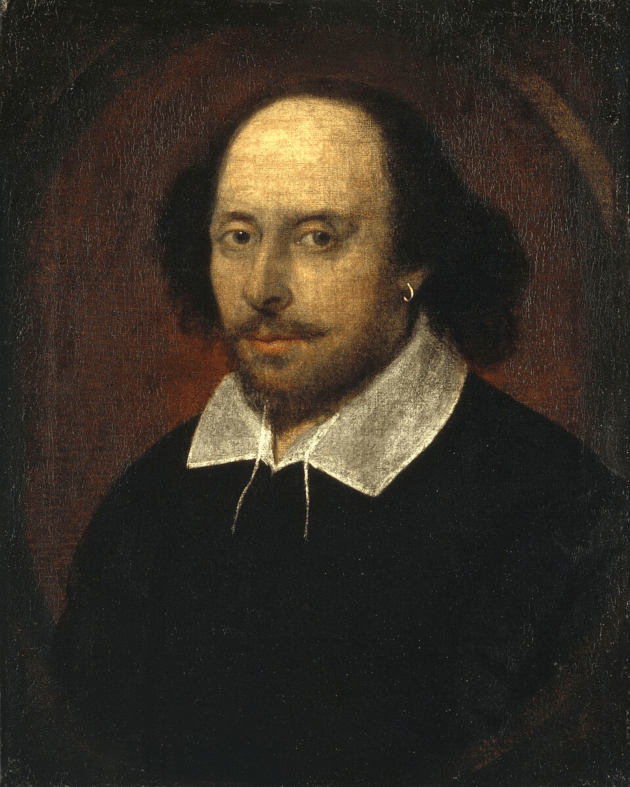
Even kings and playwrights were linked to them: Love potions weren’t limited to folklore. William Shakespeare famously used them in A Midsummer Night’s Dream. And in France, Louis XIV was rumoured to have been given mysterious tonics by Madame de Montespan, showing just how long the fascination with love potions endured.