Journalism of Courage
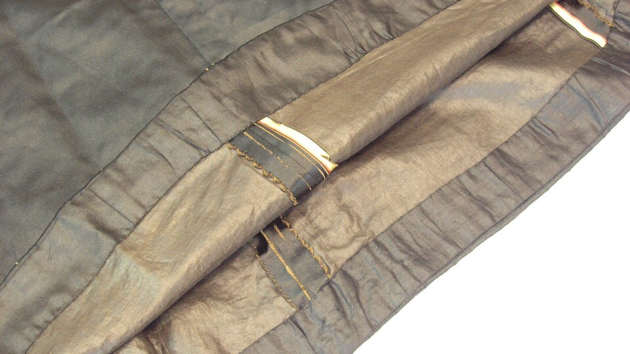
Hemlines have never followed a straight path -- from long to short. Over the past two centuries, skirt lengths have repeatedly risen and fallen in response to practicality, social attitudes, economic conditions and changing ideas about femininity. From ankle-skimming Victorian walking dresses to the miniskirt revolution, each shift has reflected the mood of its time. (wikimedia commons)
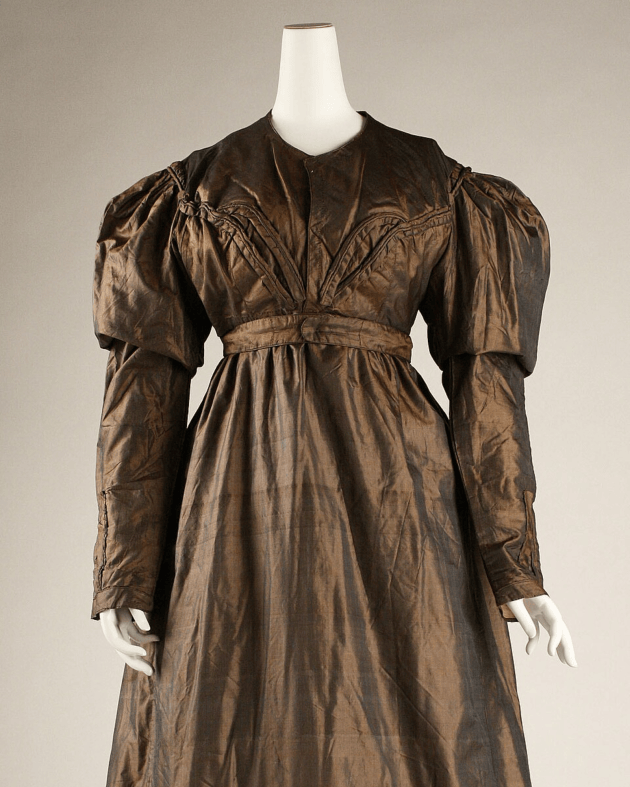
From Floor-Length to the Walking Dress: For centuries, long skirts reaching the floor were associated with modesty, particularly in Western women’s fashion. By the mid-19th century, practicality began influencing skirt lengths. The “walking dress” emerged with an ankle-skimming hem, while by the late 19th century, skirts reaching midcalf were becoming more acceptable. These changes set the stage for the much more dramatic shifts of the 20th century. (wikimedia commons)
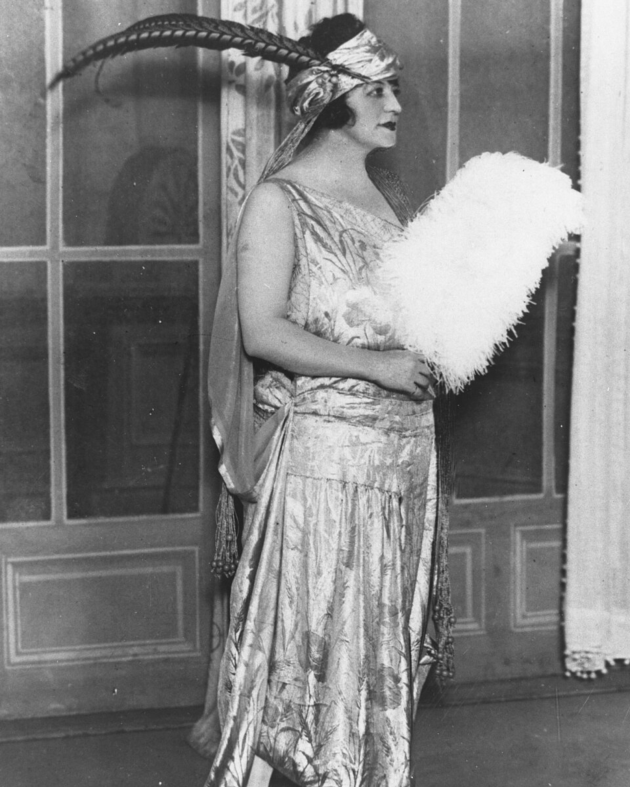
The 1920s Flapper Hemline: The 1920s brought the first major break from traditional floor-length skirts. Hemlines initially rose to just below the knee and, by the middle of the decade, sometimes went above it. The change accompanied the looser, straighter “Garçonne” silhouette, which abandoned the tightly corseted styles of earlier decades. For women embracing new social freedoms after World War I, shorter skirts became part of a radically different fashion vocabulary. (wikimedia commons)
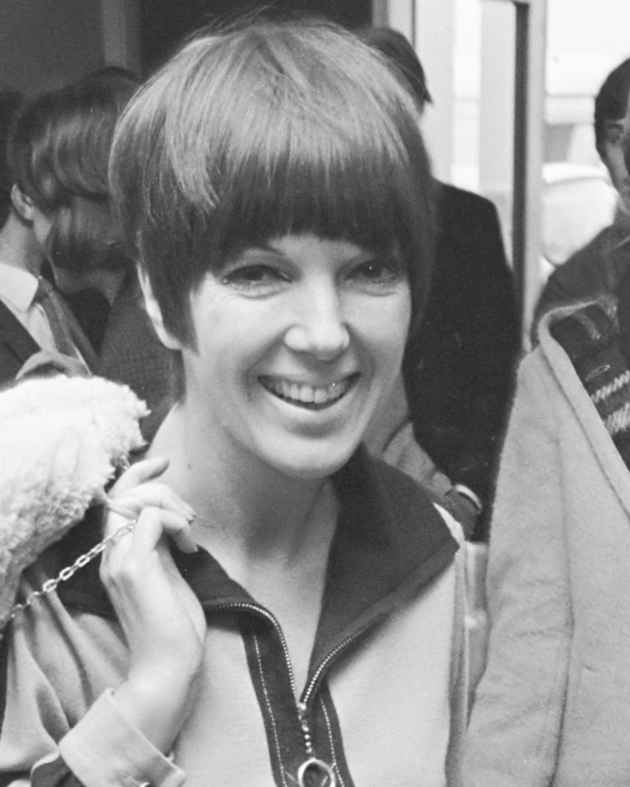
The 1960s Miniskirt Revolution: After the conservative styles of the 1950s, the 1960s produced one of the most dramatic changes in hemline history. Skirts rose several inches above the knee, with the miniskirt becoming a defining item of youth fashion. British designer Mary Quant is often credited with popularising the style, although she herself pointed to the young women on London’s streets as its inspiration. The miniskirt became associated with youth, modernity and cultural defiance. (wikimedia commons)
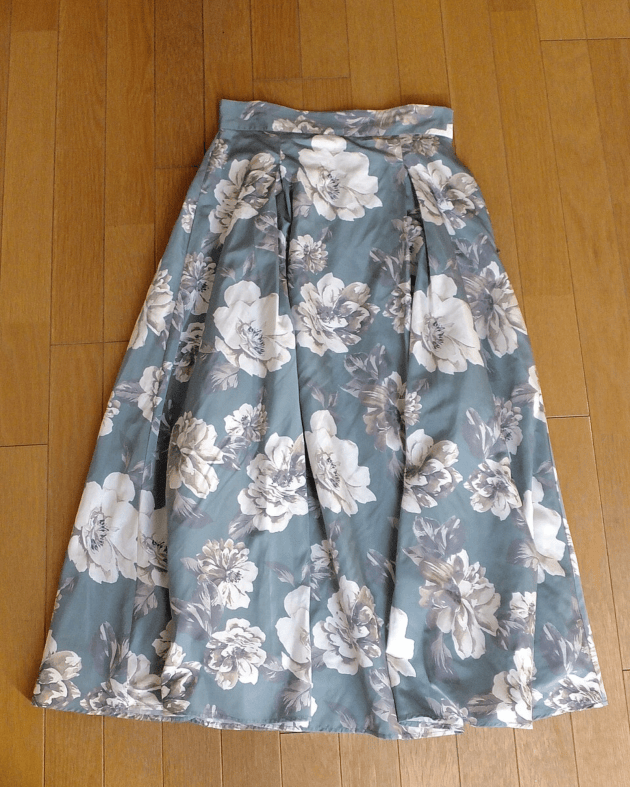
The 1970s Maxi Skirt Revival: The miniskirt’s dominance did not last. In the 1970s, the counterculture movement embraced long, flowing maxi skirts and dresses as part of a relaxed, bohemian aesthetic. Hemlines returned to the ground, but this time long skirts did not necessarily represent traditional conservatism. Instead, the maxi became associated with the hippie movement and its rejection of mainstream social conventions. (wikimedia commons)
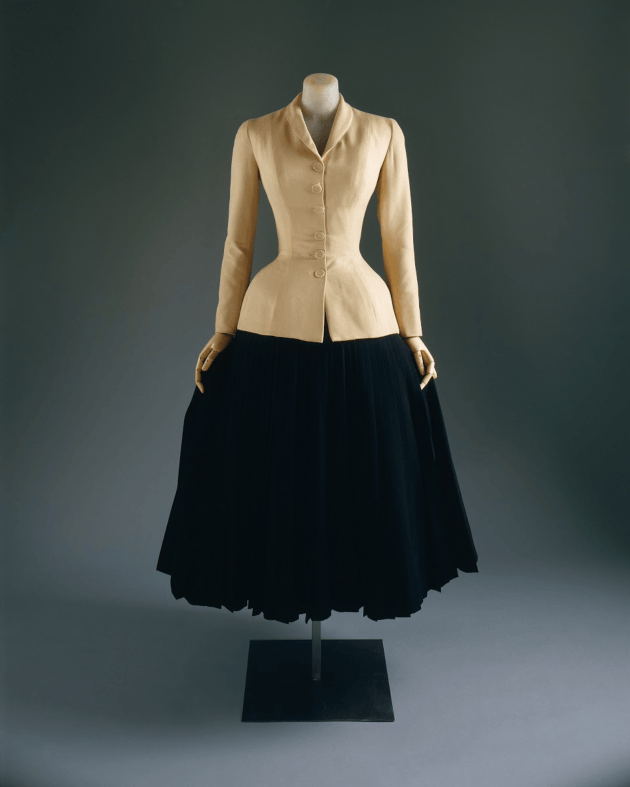
War, Austerity and Dior’s New Look: The hemline moved down again during the Great Depression, with skirts generally reaching midcalf or the ankle. During World War II, however, utility and fabric rationing brought skirts back up to around knee length. After the war, Christian Dior’s 1947 “New Look” reversed the trend once more, bringing back voluminous skirts that fell to midcalf or even the ankle. The dramatic change prompted protests in the U.S. and elsewhere, with critics objecting to the return of longer, more restrictive-looking clothing. (wikimedia commons)
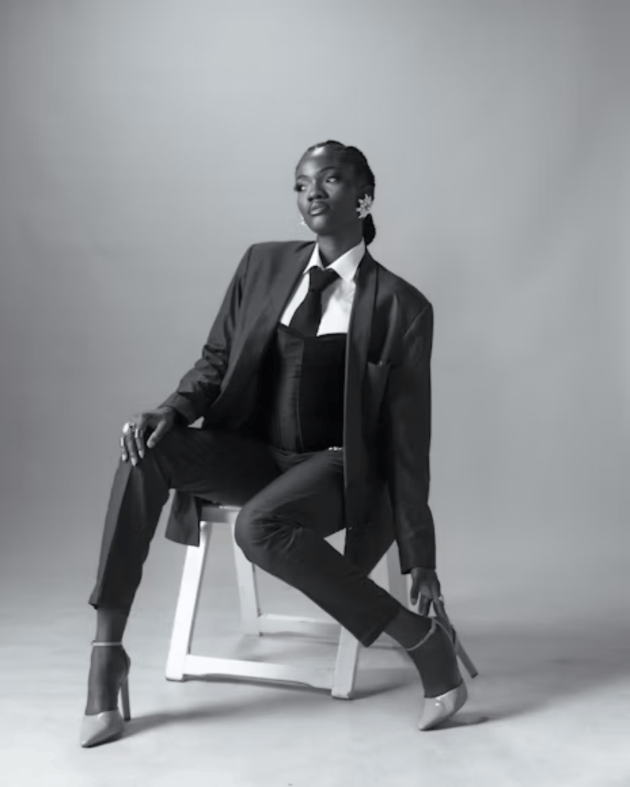
From Power Dressing to the End of One Hemline Trend: The 1980s saw hemlines rise again, with midi skirts becoming part of the sleek, suit-inspired “power dressing” aesthetic. Princess Diana was an important influence on the decade’s fashion, while the growing presence of women in corporate workplaces also shaped clothing styles. Miniskirts returned later in the decade, including denim and colourful “rah-rah” versions. By the 2000s, asymmetrical and handkerchief hems were among the trends, but fast fashion and increasingly individualised style made it harder for one hemline to define an entire decade. (wikimedia commons)