Journalism of Courage
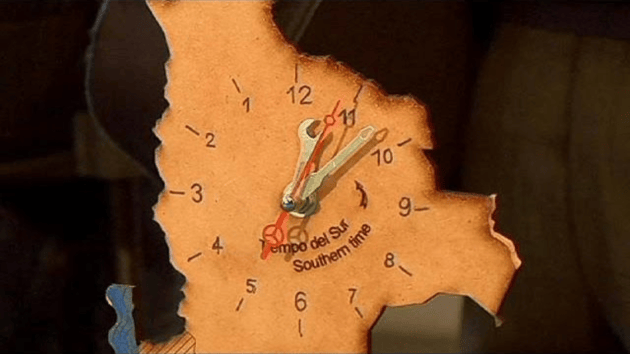
In La Paz, Bolivia, an unusual clock once caught the world's attention by doing something that seems completely wrong: its hands moved counter clockwise. Known as the “Clock of the South,” the clock became a symbol of Bolivia's effort to challenge colonial conventions and celebrate its identity as a country in the Southern Hemisphere. (youtube: euro news)
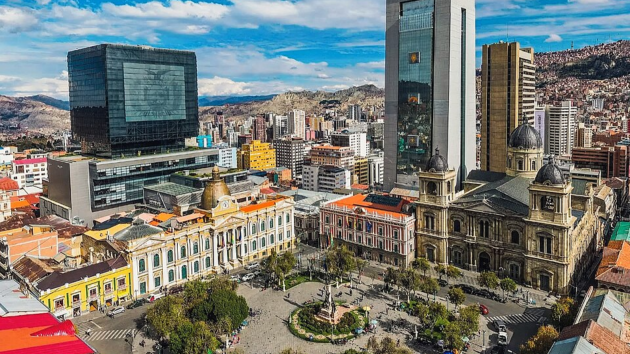
Where Is This Unusual Clock? The famous clock is installed on the façade of Bolivia's Legislative Palace overlooking Plaza Murillo in La Paz. In 2014, its mechanism was altered so that the hands moved from right to left rather than in the familiar clockwise direction. (wikimedia commons)

Why Was It Made to Run Backwards? The change was introduced in June 2014 under the government of President Evo Morales. Foreign Minister David Choquehuanca described it as a way of encouraging Bolivians to rethink conventions inherited from the Northern Hemisphere and reconnect with Indigenous identity. (wikimedia commons)
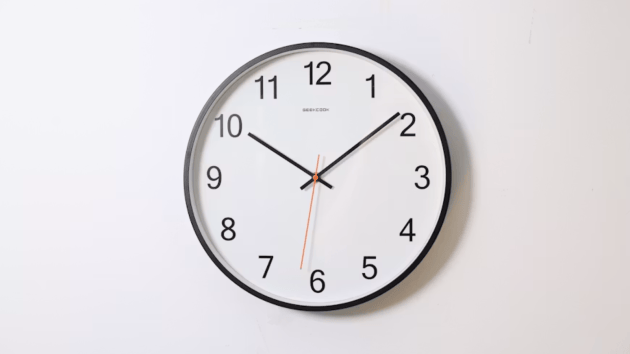
It Wasn't Just the Hands: The clock's numbers were reversed as well, so the face itself looks unusual. Yet it still displays the correct time, the arrangement simply requires viewers to read the clock differently. The design was deliberately created as a visual statement rather than as a mechanical mistake. (unsplash)
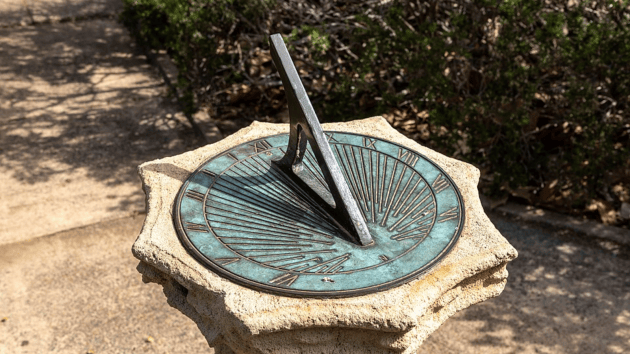
The Sundial Explanation: Choquehuanca linked the idea to sundials. In the Northern Hemisphere, the movement of a sundial's shadow appears clockwise, while in the Southern Hemisphere it moves in the opposite direction. He argued that Bolivia's clock could therefore reflect a distinctly Southern perspective. (wikimedia commons)

But Was It Scientifically Necessary? The explanation sparked debate. Critics and physicists pointed out that the clockwise direction of modern clocks is a human convention, not a scientific requirement determined by hemisphere. The clock was therefore much more about symbolism and cultural identity than changing the science of timekeeping. (youtube: ap news)
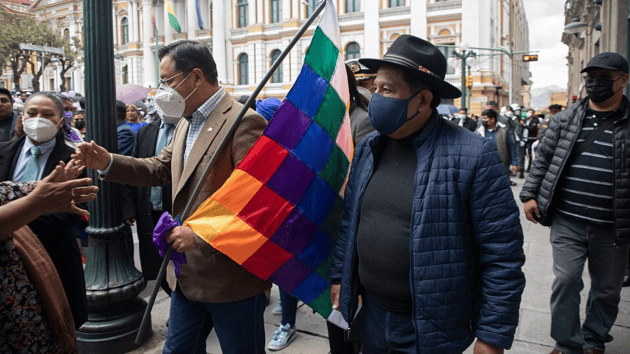
A Symbol of Decolonisation: The “Clock of the South” was intended to represent Bolivia's broader push toward decolonisation and Indigenous identity. Choquehuanca even asked why clocks always had to operate in the same way and argued that people could challenge established conventions. The clock consequently became more than a timepiece, it became a political and cultural statement. (wikimedia commons)