Journalism of Courage
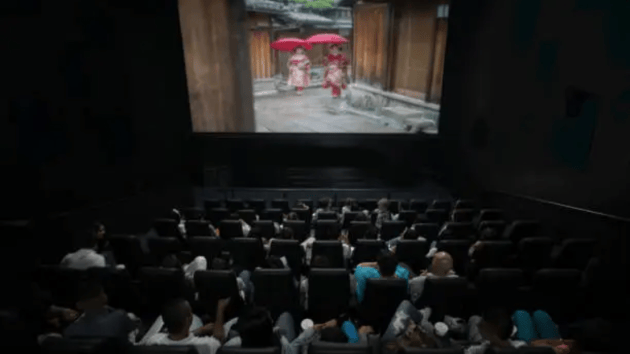
Japanese cinema spans quiet family dramas, samurai epics, psychological thrillers, animation and experimental filmmaking. If you are just starting to explore it, these six films offer an accessible introduction to some of the country’s most influential directors, storytelling styles and cinematic traditions. (unsplash)
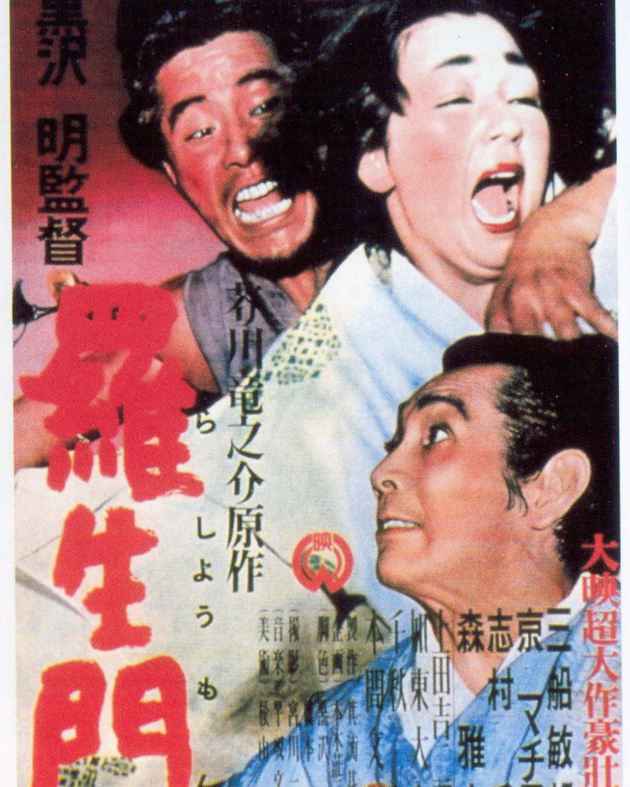
Rashomon: Kurosawa’s Rashomon (1950) is a landmark for understanding Japanese cinema’s global influence. The film presents conflicting accounts of a crime, forcing viewers to question whether any version of the truth can be trusted. Its innovative storytelling became so influential that the term “Rashomon effect” is now widely used to describe contradictory accounts of the same event. (wikipedia)

Hana-bi: For a taste of Japanese crime cinema, try Takeshi Kitano’s Hana-bi (1997). Combining crime, violence and unexpectedly tender moments, the film follows a troubled former police officer dealing with the consequences of his past. Kitano’s sparse visual style, unusual editing rhythms and dark humour make Hana-bi a distinctive introduction to his work and to 1990s Japanese cinema. (wikipedia)
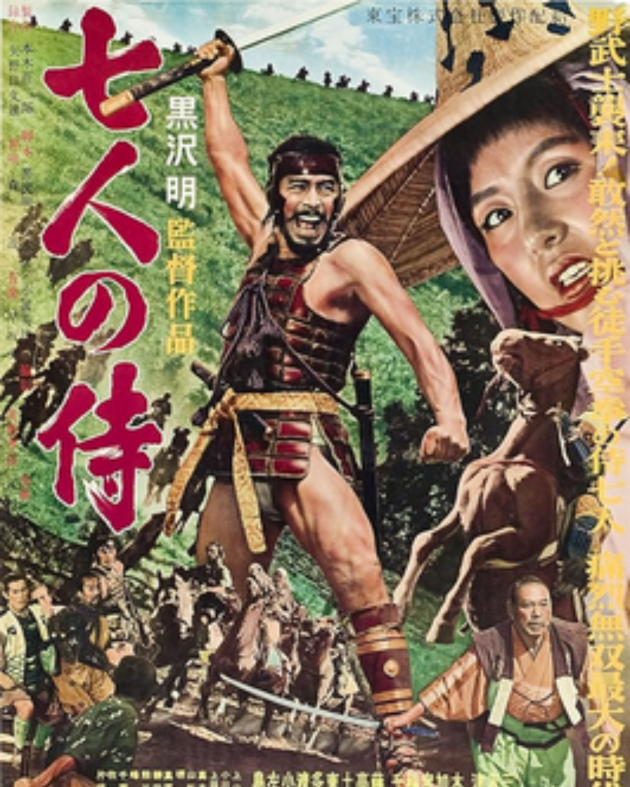
Seven S: Akira Kurosawa’s Seven Samurai (1954) is an ideal starting point for anyone interested in Japanese cinema. Set in 16th-century Japan, the film follows a group of samurai hired to protect a farming village from bandits. Its action, character-driven storytelling and influence on filmmakers around the world make it one of Japanese cinema’s essential classics. (wikipedia)

Shoplifters: Hirokazu Kore-eda’s Shoplifters (2018) is a good entry point into contemporary Japanese cinema. Centred on a makeshift family living on the margins of society, the film quietly examines poverty, belonging and what actually makes a family. Its intimate, naturalistic storytelling showcases a very different side of Japanese filmmaking from the country's better-known samurai and animation traditions. (wikipedia)

Spirited Away: For beginners who want to enter Japanese animation, Hayao Miyazaki’s Spirited Away (2001) is an excellent choice. The fantastical story follows Chihiro, a young girl who becomes trapped in a mysterious spirit world, combining imaginative creatures with themes of growing up, courage and identity. It also demonstrates how Japanese animation can appeal to audiences far beyond children's cinema. (wikipedia)
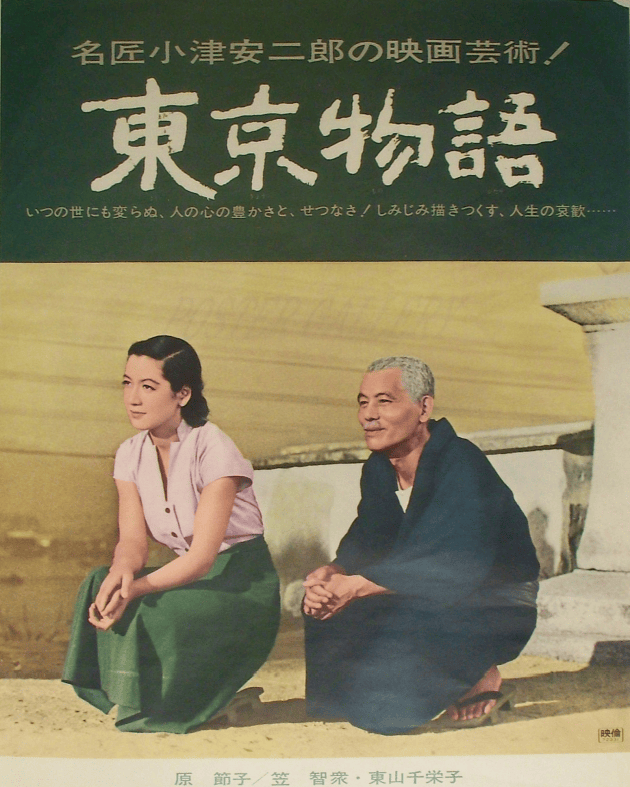
Tokyo Story: Yasujiro Ozu’s Tokyo Story (1953) offers a completely different introduction to Japanese filmmaking. The understated family drama follows elderly parents visiting their grown children in postwar Tokyo and explores generational distance, ageing and changing family relationships. Ozu’s restrained camera style and attention to ordinary life became hallmarks of his cinema. (wikipedia)