Journalism of Courage

International Day of Sign Languages is observed every year on September 23 to raise awareness about the importance of sign languages and the rights of the hearing impaired. Contrary to popular belief, there is no single universal sign language. Different deaf communities have developed their own languages, shaped by history, culture and geography. Here are six sign languages you may not know much about. (unsplash)
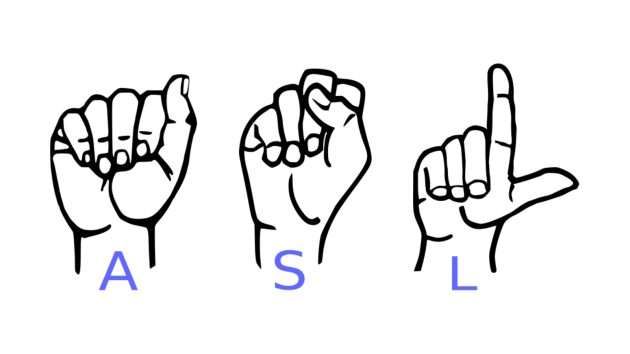
American Sign Language (ASL): American Sign Language is a complete natural language used primarily by Deaf communities in the United States and parts of Canada. Interestingly, ASL has strong historical links to French Sign Language rather than British Sign Language. It developed through the interaction of French signing traditions with local sign languages in 19th-century America. (wikimedia commons)
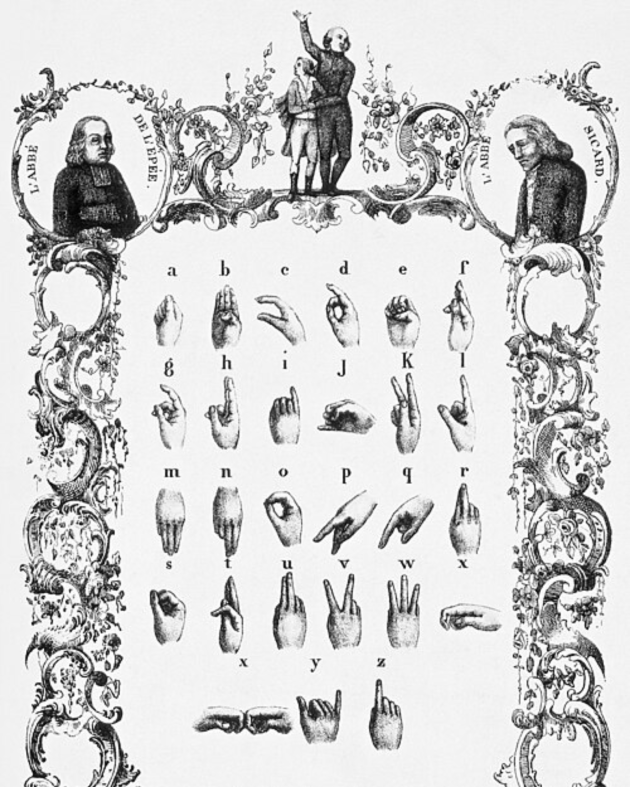
French Sign Language (LSF): French Sign Language, or Langue des Signes Française (LSF), is one of the historically influential sign languages in the world. Its influence reached the United States through Laurent Clerc, who travelled from France to America in the 19th century and helped establish Deaf education there. ASL subsequently developed from a mixture of French signing and local American sign languages, although modern ASL and LSF are now distinct languages. (wikimedia commons)
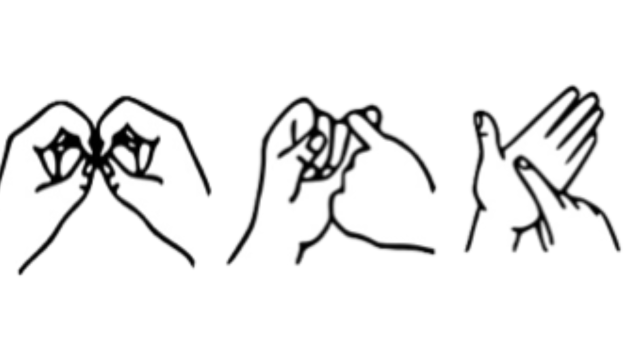
British Sign Language (BSL): British Sign Language is the principal sign language used by Deaf communities across much of the UK. Despite English being the dominant spoken language in Britain, BSL is not English expressed through hand movements. It has its own vocabulary and grammar, as well as regional and generational variation. (wikimedia commons)
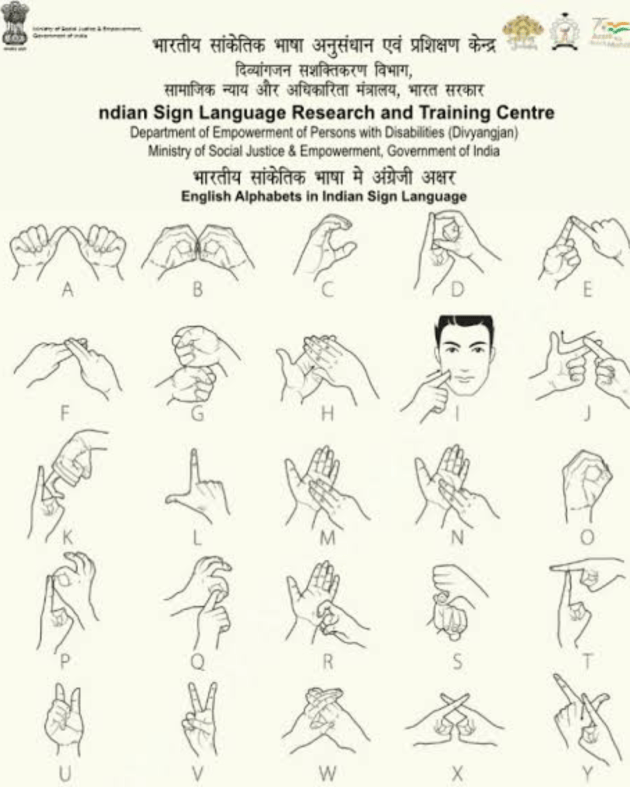
Indian Sign Language (ISL): Indian Sign Language (ISL) is a natural visual-manual language used by the community in India. It has its own linguistic structure and is not simply a signed version of spoken Hindi or English. ISL is used across India, although regional variations exist. The Indian Sign Language Research and Training Centre describes it as a natural language native to India's Deaf community. (wikimedia commons)

Auslan: Australian Sign Language, commonly known as Auslan, developed from sign languages brought to Australia from Britain and Ireland during the 19th century. It has since evolved within Australian Deaf communities and developed distinctive vocabulary. Auslan also has major regional varieties, particularly associated with northern and southern Australia. (wikimedia commons)
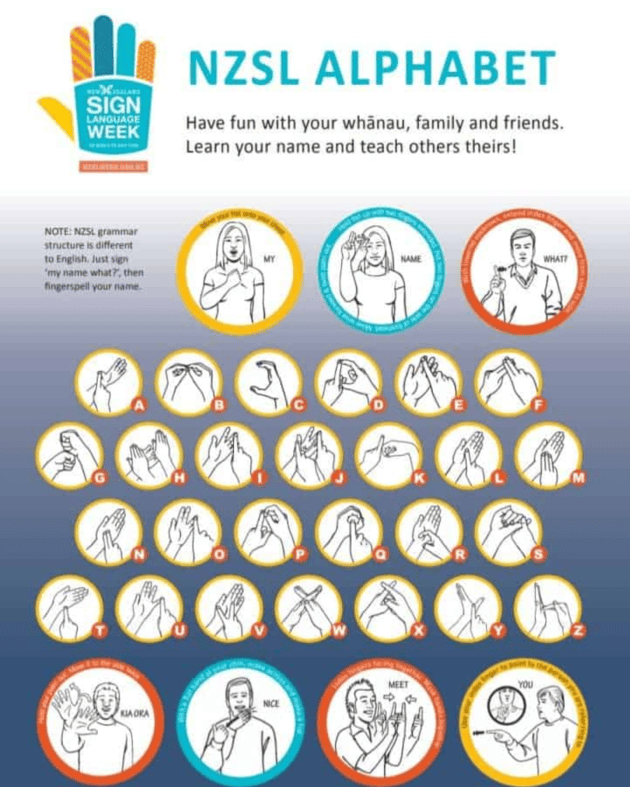
New Zealand Sign Language (NZSL): New Zealand Sign Language developed from signing brought to New Zealand by British immigrants in the 19th century. It is closely related to British Sign Language and Auslan, with the three historically sharing a common linguistic ancestry. NZSL has nevertheless developed into its own language within New Zealand's Deaf community. (wikimedia commons)