Journalism of Courage
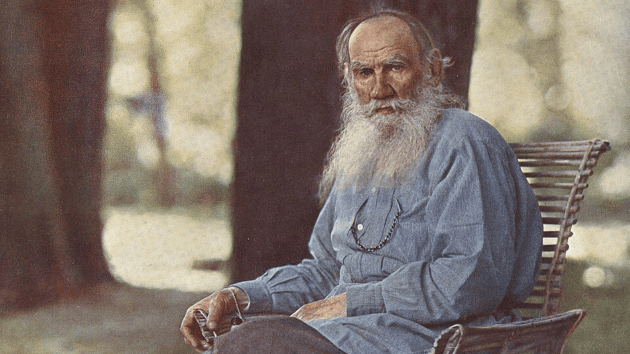
Leo Tolstoy is remembered as the literary genius behind War and Peace and Anna Karenina, but his personal life was filled with contradictions. He was an aristocrat who rejected wealth, a writer obsessed with self-improvement, a spiritual radical who was excommunicated, and a husband whose marriage became increasingly turbulent. (wikimedia commons)
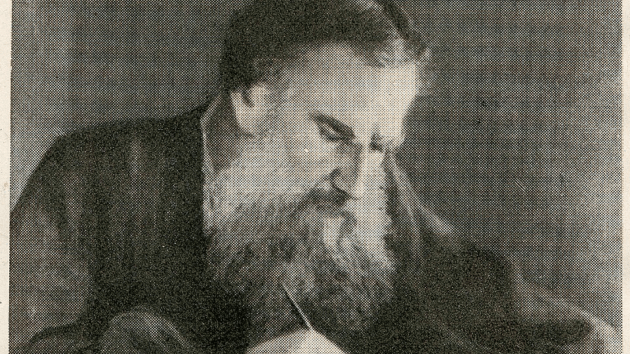
He Was Obsessed With Self-Improvement: Tolstoy kept an extraordinarily detailed record of his life. Inspired partly by Benjamin Franklin’s list of virtues, he created his own rules, from waking early and eating moderately to limiting his visits to brothels. He also maintained journals tracking his daily activities and compiled lists of his moral failures. (Wikimedia commons)
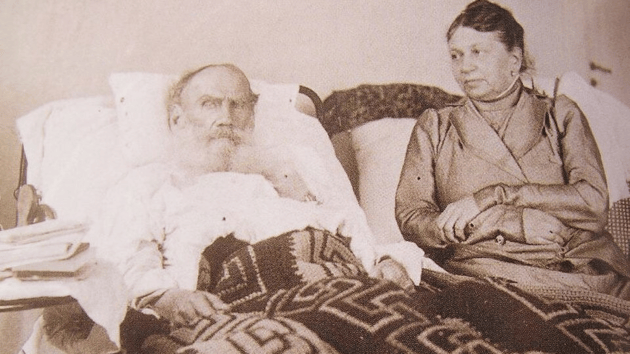
His Wife Rewrote War and Peace Again and Again: Tolstoy married Sophia Behrs in 1862, the same year he began working on War and Peace. Sophia played a crucial role in completing the novel, painstakingly copying his handwritten revisions. Over seven years, she rewrote the entire manuscript eight times, with some sections being copied nearly 30 times, while also raising their children and managing the family estate. (wikimedia commons)
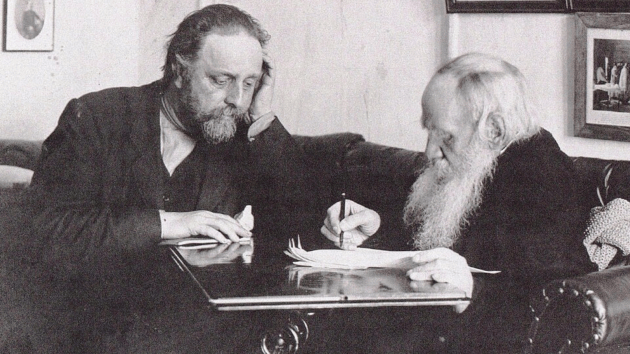
He Inspired a Movement and Gandhi: Tolstoy’s radical religious and social ideas attracted followers known as “Tolstoyans.” They embraced pacifism, simple living and his philosophy of nonviolent resistance. His ideas also deeply influenced Mahatma Gandhi, who corresponded with Tolstoy and credited his teachings on peaceful resistance with shaping his own philosophical development. (wikimedia commons)
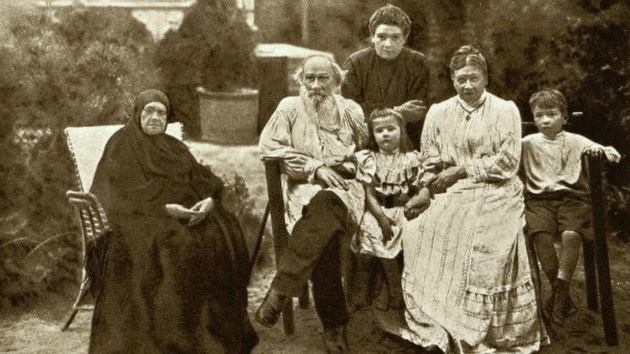
His Marriage Became Increasingly Troubled: Tolstoy’s relationship with Sophia became increasingly strained as his spiritual beliefs changed. He began rejecting the aristocratic lifestyle, wearing peasant clothing, making his own shoes and allowing followers to live on the family estate. Sophia feared that his rejection of property and control over his writings could leave their large family financially vulnerable. (wikimedia commons)
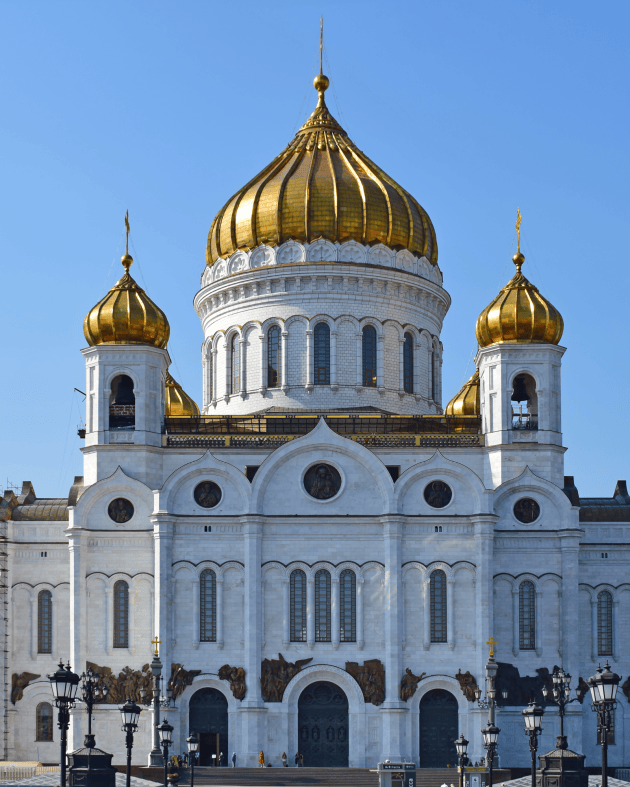
The Russian Orthodox Church Excommunicated Him: Tolstoy’s spiritual crisis led him to reject many teachings and rituals of organised religion. He criticised the Russian state, private property and the Orthodox Church’s interpretation of Christianity. His views brought him into conflict with authorities, and in 1901 the Russian Orthodox Church formally excommunicated him. (wikimedia commons)
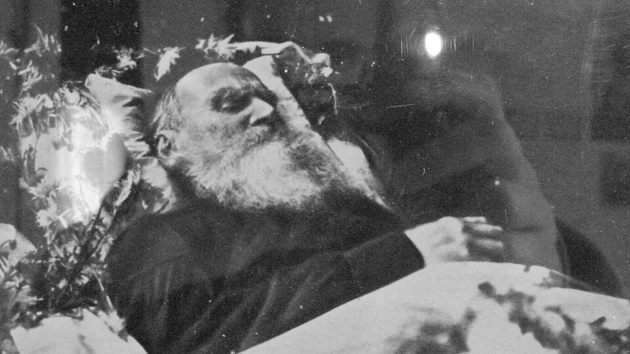
He Fled Home at 82: In 1910, after years of marital conflict, Tolstoy secretly left his home in the middle of the night with one of his daughters. His disappearance became a media sensation, and he was eventually found at a railway station, where his wife and reporters arrived. Already ill, he refused to return home and died of pneumonia at the railway station on November 20, 1910. (wikimedia commons)