Journalism of Courage
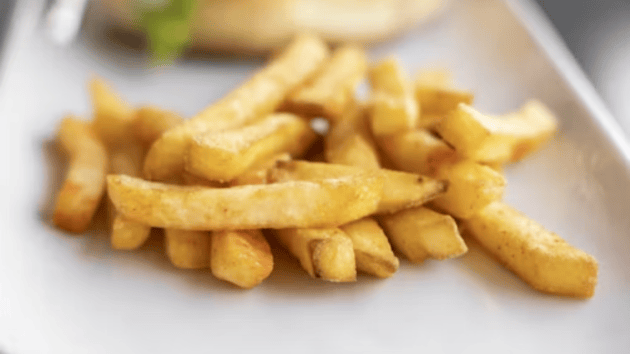
ICMR’s 2024 Dietary Guidelines reveal a striking reality: 56.4% of India’s chronic disease burden comes from unhealthy diets. High intake of refined carbs, low protein, processed foods, and lifestyle barriers are driving a rapid rise in diabetes, heart disease, and obesity. (Source: Photo by unsplash)
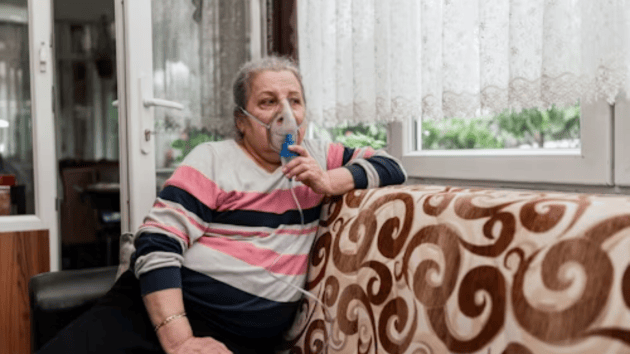
According to ICMR’s 2024 guidelines, over half of India’s NCD burden including diabetes, hypertension, heart disease, and obesity comes from poor dietary habits. Unhealthy eating is now a leading risk factor for chronic illness. (Source: Photo by unsplash)
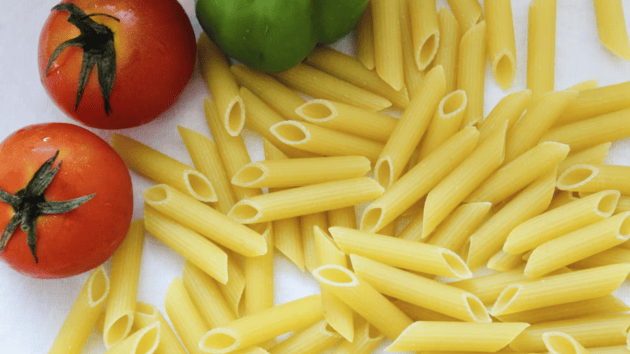
High Refined Carbohydrate Consumption: The IJMR review highlights that Indian diets are high in refined carbs like white rice, wheat flour, and added sugars. This carb heavy pattern spikes blood sugar levels, drives insulin resistance, and increases diabetes risk. (Source: Photo by unsplash)
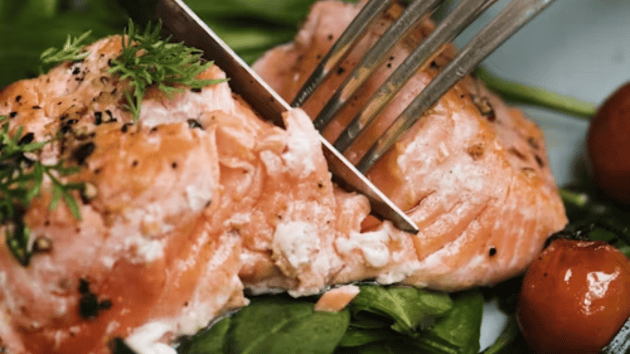
Low Protein and Micro Nutrient Balance: Indians consume less protein than recommended, especially high quality protein. Replacing some carbs with plant or dairy protein can lower the risk of prediabetes and type 2 diabetes, according to models cited in the IJMR report. (Source: Photo by unsplash)
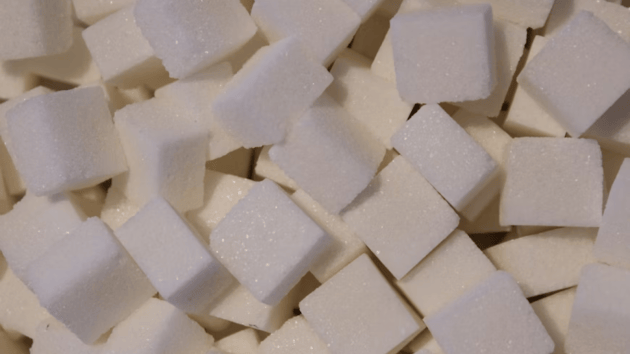
Excess Junk and Sugar Consumption: High intake of packaged snacks, sugary drinks, refined oils, and repeatedly used cooking oil is fuelling inflammation and heart disease. ICMR warns strongly against reusing cooking oils because harmful compounds form during repeated heating. (Source: Photo by unsplash)
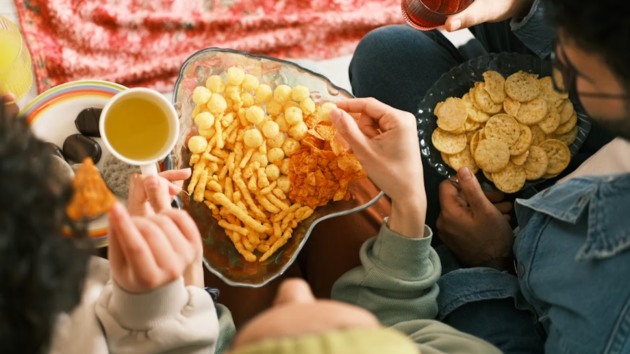
Cultural, Economic and Access Barriers: many Indians face affordability issues, cultural food habits, low nutrition awareness, and limited access to healthy food options. These barriers make it harder for families to adopt healthier eating patterns. (Source: Photo by unsplash)
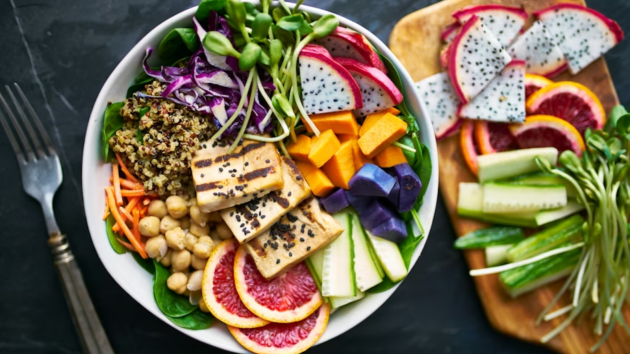
What Healthier Eating could Change: Shifting towards balanced meals with whole grains, legumes, fruits, vegetables, nuts, seeds, lean proteins, and minimal processed foods could significantly reduce India’s burden of diabetes, hypertension, obesity, and heart disease. (Source: Photo by unsplash)