Journalism of Courage
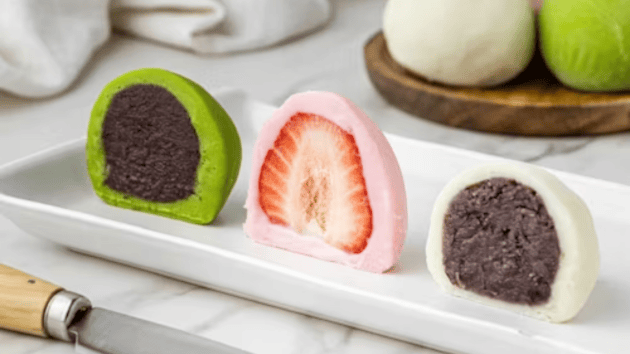
Japanese sweets, or wagashi, have a long and fascinating history shaped by trade, religion, and cultural exchange. What began as simple offerings evolved into delicate, artistic confections, deeply tied to tea culture and tradition. (Source: Photo by unsplash )
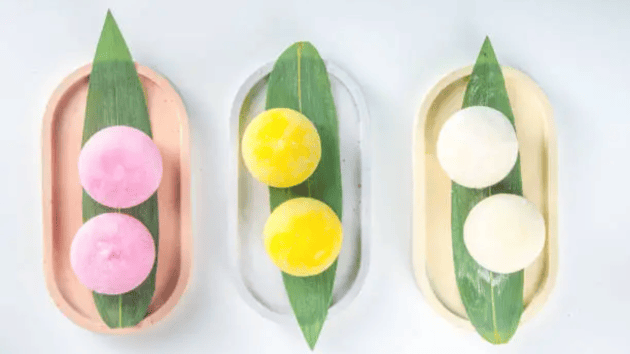
Before Sugar, Sweets as Offerings: In ancient Japan, sweets were made from natural ingredients like nuts and grains. Rice-based treats such as early mochi were considered sacred and often offered to gods rather than eaten casually. (Source: Photo by unsplash )
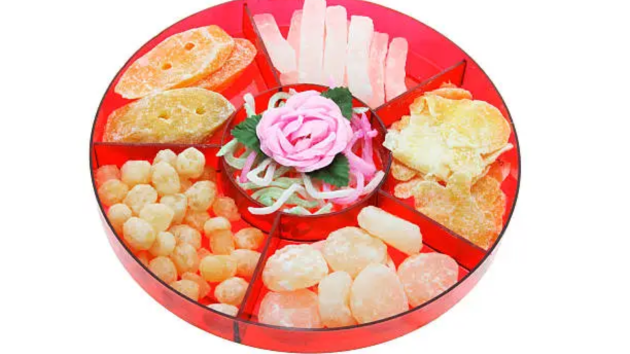
Influence from China: Between the 7th and 9th centuries, Japan adopted confectionery techniques from China. These early influences shaped the foundation of traditional sweets, long before sugar became common. (Source: Photo by unsplash )
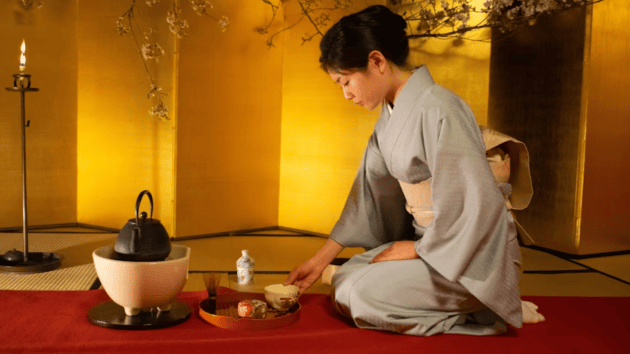
Tea Culture Changes Everything: With the rise of tea ceremonies in the 12th century, sweets became more refined. Simple snacks like rice cakes and crackers evolved into elegant treats designed to complement tea. (Source: Photo by unsplash )

The Arrival of Sugar: In the 16th century, Portuguese traders introduced sugar to Japan via Nagasaki in Kyushu. This transformed Japanese sweets, making them richer, sweeter, and more diverse. (unsplash) (Source: Photo by unsplash )
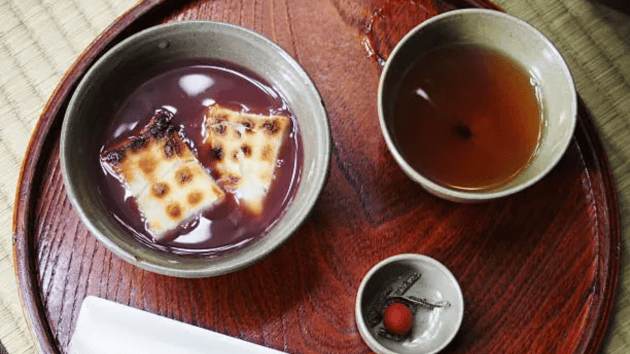
The “Sugar Road” Era: Sugar spread across Japan along the Nagasaki Kaido, known as the “Sugar Road.” This route helped develop regional sweet cultures and popularised confection making across the country. (Source: Photo by unsplash )
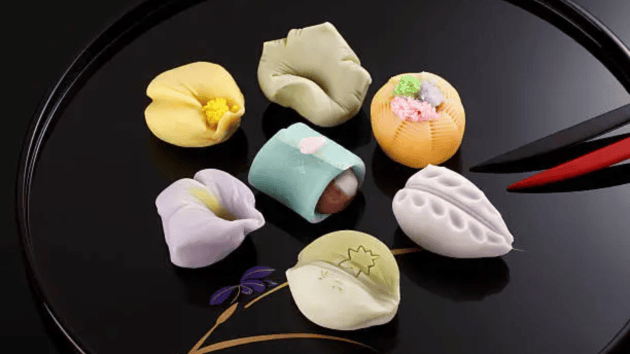
Edo Period, the Golden Age of Wagashi: From the 17th to 19th centuries, wagashi flourished in cities like Kyoto and Edo. Competition and creativity led to the beautifully crafted sweets still enjoyed today. (Source: Photo by unsplash )