Journalism of Courage
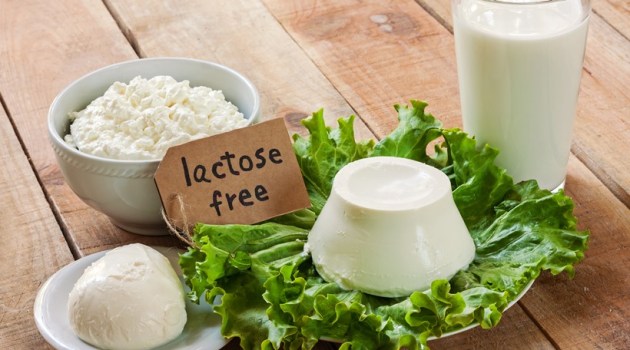
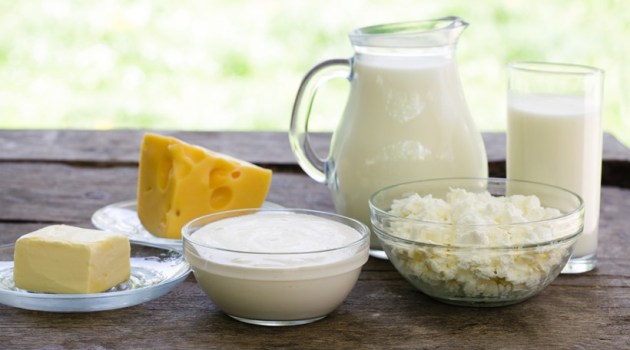
Milk is nature's wonder beverage that meets most of our nutrient needs. It has been fed — or force fed — to children to make their bones strong. For those who gag at the sight of milk, there are always milk products — cheese, paneer, yoghurt and ice cream — that one could turn to for those essential nutrients and, of course, taste. Here are some facts you should know about nature's wonder beverage. (Source: Pixabay)
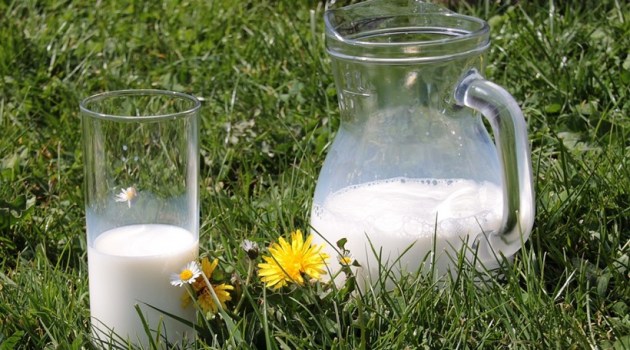
Dairy foods — when combined with a healthy diet — can reduce the risk of osteoporosis and obesity, especially in women. (Source: Thinkstock Images)
Don't be fooled by milk's creamy texture — it is comprised of 85 to 95 per cent water. The rest of its volume comprises of nutritious vitamins, proteins, carbohydrates and fat. It is also rich in Vitamins A, D and B12, minerals such as potassium, calcium, phosphorous, zinc, magnesium and protein. (Source: Pixabay)

Milk is good for oral health as it reduces the level of acidity in the mouth, combats plaque formation and reduces the risk of cavities. (Source: Thinkstock Images)
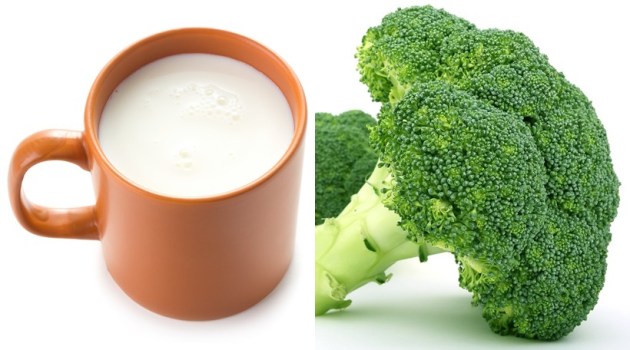
Drinking milk is the cheapest and the most accessible way to get the calcium you need. You would need to eat two and half cups of broccoli just to get the amount of calcium to be found in one cup of milk! (Source: Thinkstock Images, Pixabay)

Skim, low fat or whole milk, the calcium and nutrient content is the same. (Source: Thinkstock Images)

Women consuming at least three servings of dairy foods each day are 80 per cent less likely to be obese than those who don't. (Source: Thinkstock Images)

No scientific evidence supports the prevalent belief that drinking milk causes early puberty. (Source: Thinkstock Images)
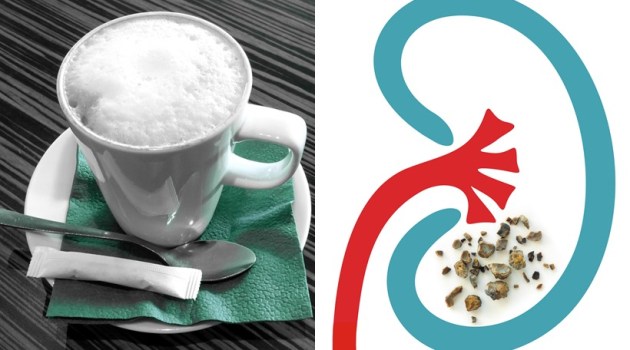
Drinking milk does not increase the chance of developing kidney stones. (Source: Pixabay, Thinkstock Images)