Journalism of Courage
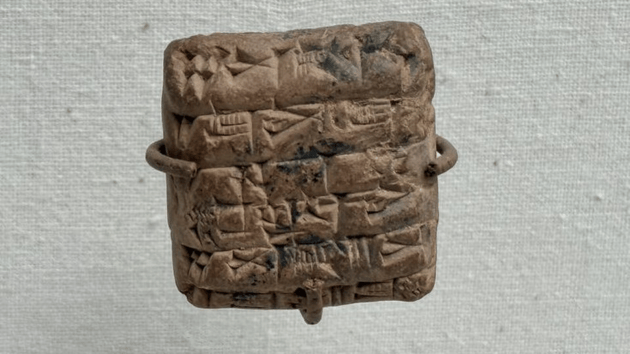
More than 3,400 years ago, a musician in the ancient city of Ugarit recorded a song on a clay tablet. Known as Hurrian Hymn No. 6, it is the oldest known song with surviving musical notation. The tablet preserves lyrics as well as musical information, giving modern scholars an extraordinary, though incomplete, window into music from the Bronze Age. (wikimedia commons)
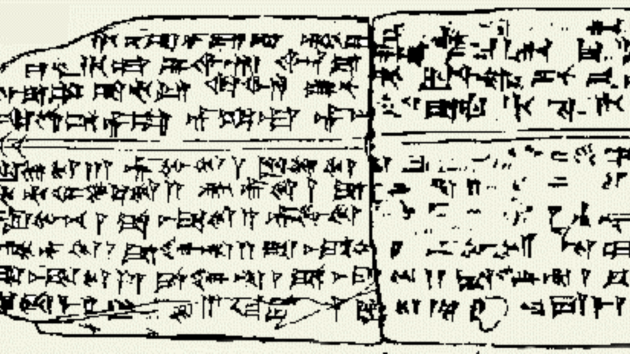
Meet Hurrian Hymn No. 6: Dating to around 1400 BCE, Hurrian Hymn No. 6 is a 3,400-year-old fertility hymn dedicated to Nikkal, a Hurrian goddess associated with orchards, fertility and the Moon. What makes it exceptional is that the tablet contains not just words but actual musical notation and tuning instructions. (wikimedia commons)
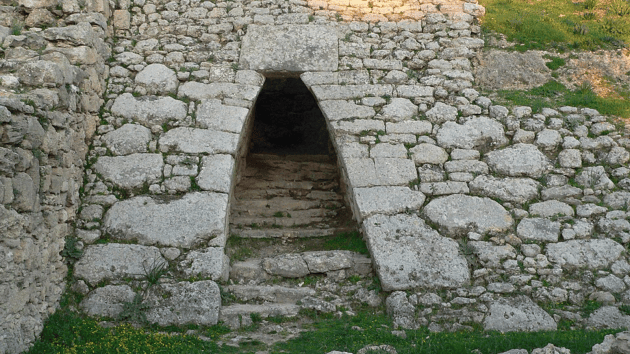
It Was Found In Ancient Syria: The hymn was discovered in the ruins of Ugarit, a Late Bronze Age port city on the Mediterranean coast of present-day Syria. French archaeologists uncovered 29 clay tablets while excavating the remains of the city's royal palace. The excavations began in the 1930s, were interrupted by World War II and resumed in the early 1950s. (wikimedia commons)
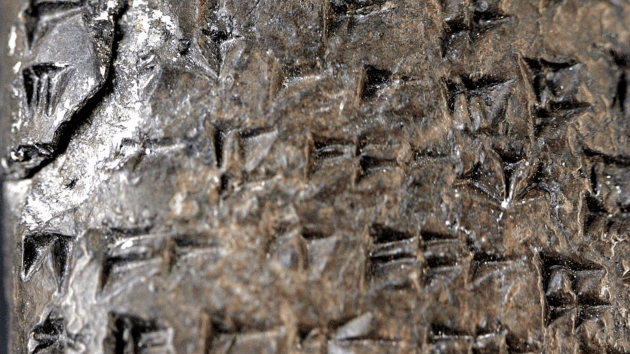
What Was The Song About? The lyrics were written in Hurrian, a now mostly lost language, using cuneiform script. The hymn appears to be a prayer addressed to Nikkal. Some scholars interpret it as a plea from a young woman seeking help with infertility. The text also refers to offerings, including šam-šam, which may have meant sesame oil or sesame seeds. (wikimedia commons)
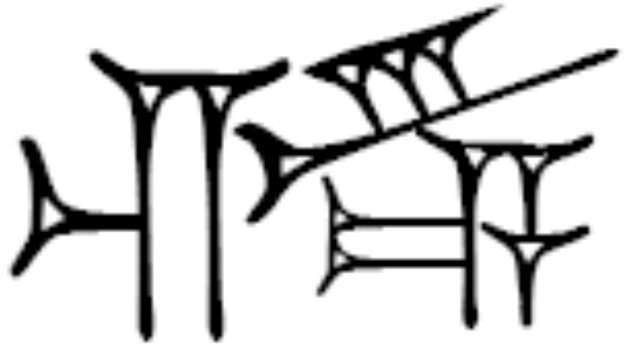
The Tablet Had Musical Instructions: The lower part of the tablet contains what looks like a musical code, including numerical symbols indicating musical intervals and instructions for tuning a stringed instrument. These markings are believed to relate to a lyre. This combination of lyrics, intervals and tuning information is what makes the tablet so important to the history of music. (wikimedia commons)
Scholars Still Disagree About The Melody: Deciphering the tablet has taken decades. In the 1970s, Assyriologist Anne Draffkorn Kilmer proposed that its markings represented musical instructions, while British scholar Martin L. West offered another interpretation of how the markings could have guided a musician. Researchers still disagree over how the notation should be read, so there is no single definitive reconstruction of the original melody. (youtube: lorna grovier)

People Are Still Performing It Today: The uncertainty has not stopped musicians from bringing Hurrian Hymn No. 6 back to life. Modern performers have created different interpretations using reconstructions of ancient instruments, including the lyre. Archaeomusicologist Richard Dumbrill has praised performances by Syrian-born Armenian soprano and musicologist Sevan Habib, while musician Michael Levy has created a lyre-based reconstruction. These performances are interpretations rather than exact recordings of how the song originally sounded. (wikipedia)