Journalism of Courage
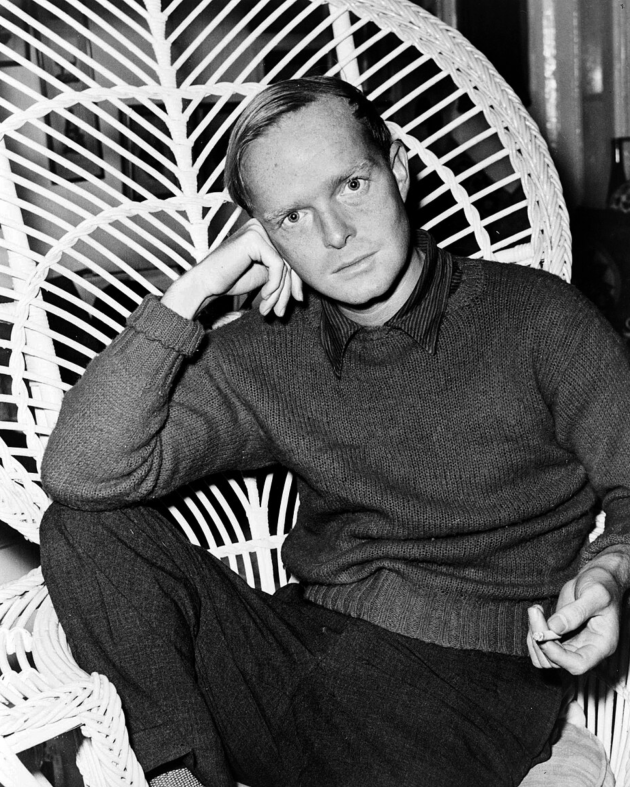
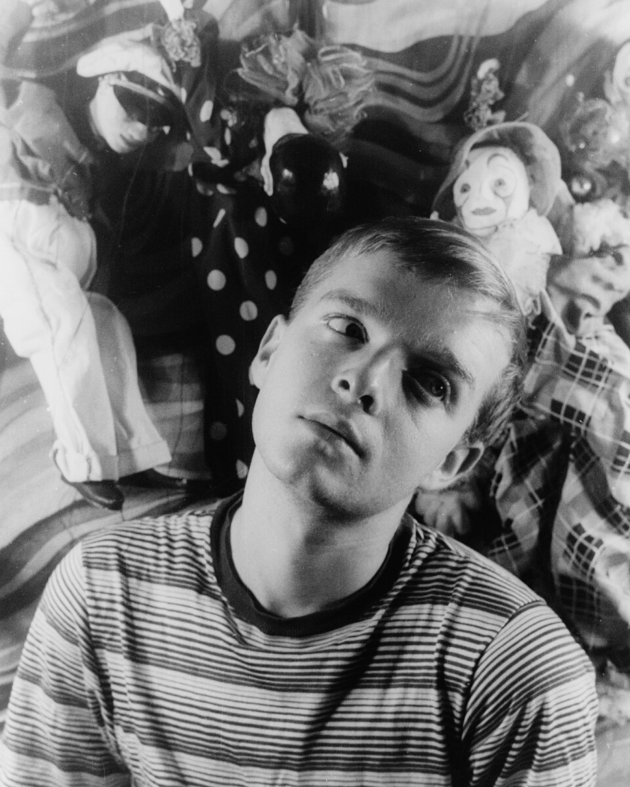
Truman Capote became one of 20th-century America’s most recognisable writers, known for his distinctive prose, Breakfast at Tiffany’s and In Cold Blood. But behind the celebrated author was a complicated life shaped by an unconventional childhood, an early career at The New Yorker, friendships with literary figures and an unfinished novel that eventually damaged many of his social relationships. (wikimedia commons)
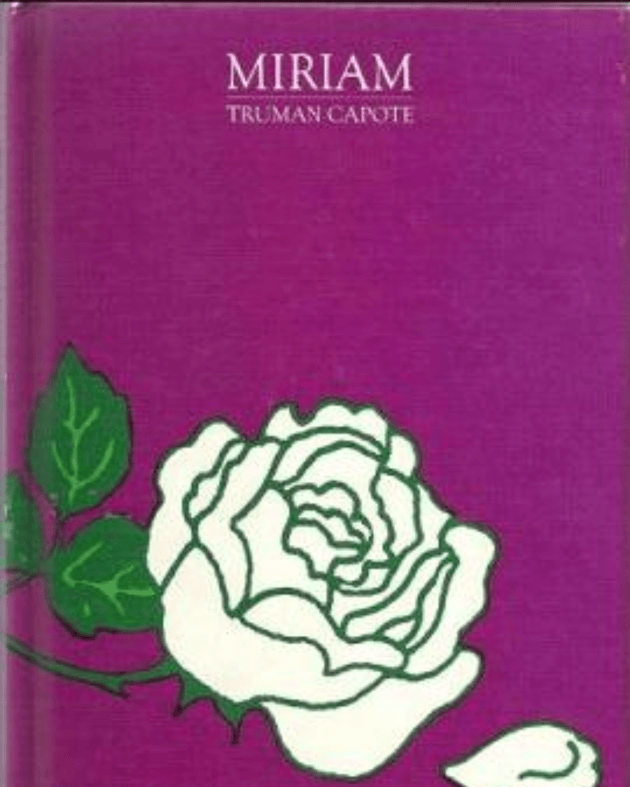
He Never Finished High School: Capote left formal education before finishing high school. At 17, he began working at The New Yorker, where his job involved sorting artwork and cartoons. Rather than pursuing college, he concentrated on becoming a writer, publishing his first story, “Miriam”, in Mademoiselle in 1945. (wikipedia)
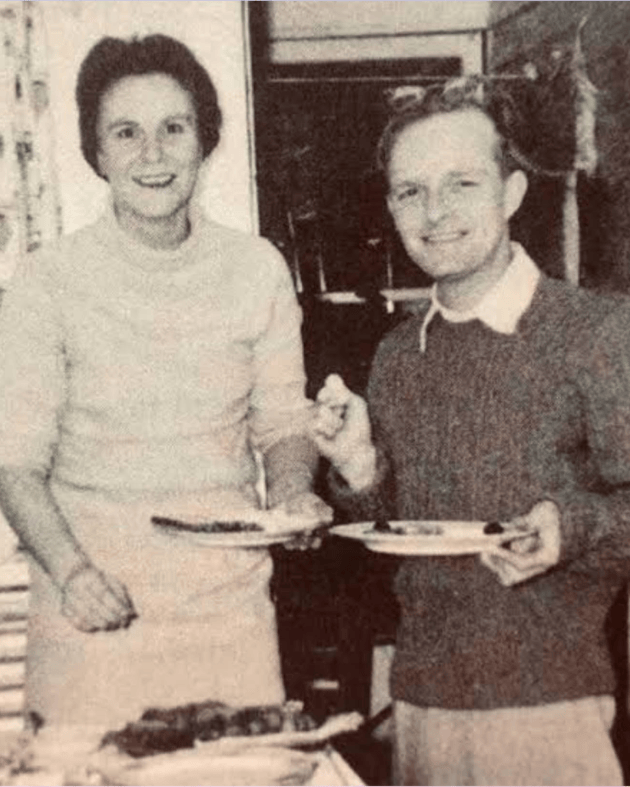
Harper Lee Was His Childhood Friend: Capote grew up primarily in Monroeville, Alabama, where he became friends with the young Nelle Harper Lee. The two remained close for years, and Lee later accompanied Capote to Kansas when he was researching the murders that became the basis of In Cold Blood. Her assistance included interviewing local residents and helping him navigate the community. (facebook: Samiran Saha)
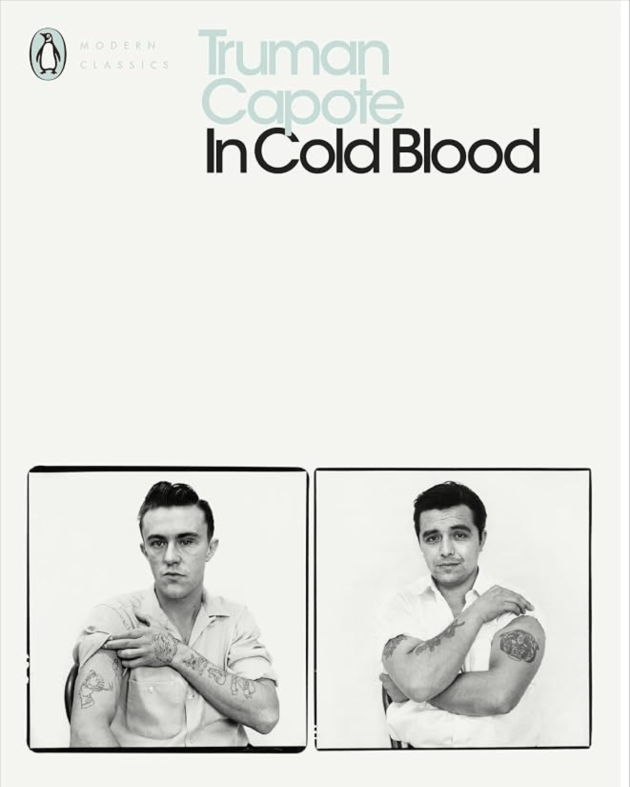
He Wanted Reporting to Read Like Fiction: Capote was fascinated by the possibilities of journalism and wanted to combine factual reporting with literary techniques. This ambition eventually produced In Cold Blood, his account of the 1959 Clutter family murders. He spent years researching the case, interviewing people connected to it and developing what he called the “nonfiction novel”. (amazon.in)
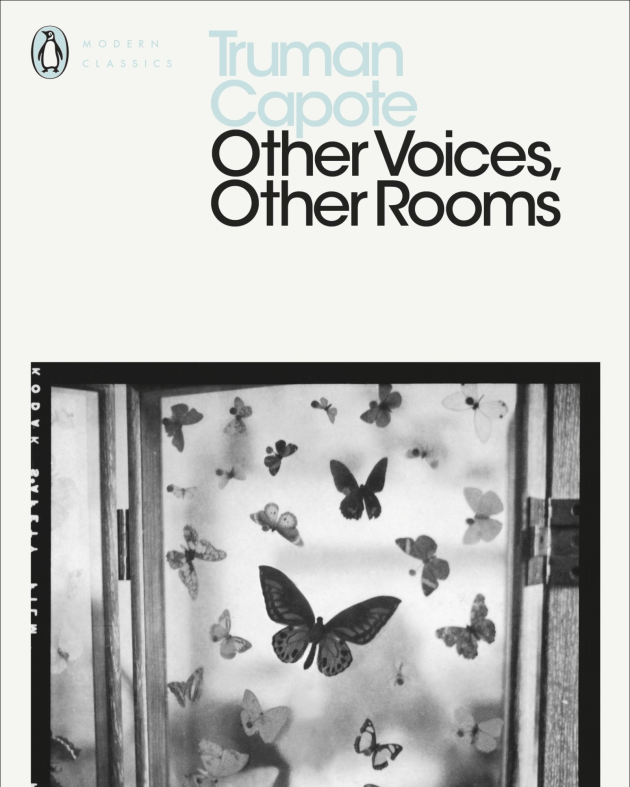
His First Novel Made Him Famous at 23: Capote was only 23 when Other Voices, Other Rooms was published in 1948. The novel was a critical and commercial success, and its striking dust-jacket photograph of the young Capote became part of his early celebrity. The book established him as an important new literary voice before his best-known works were written. (amazon.in)
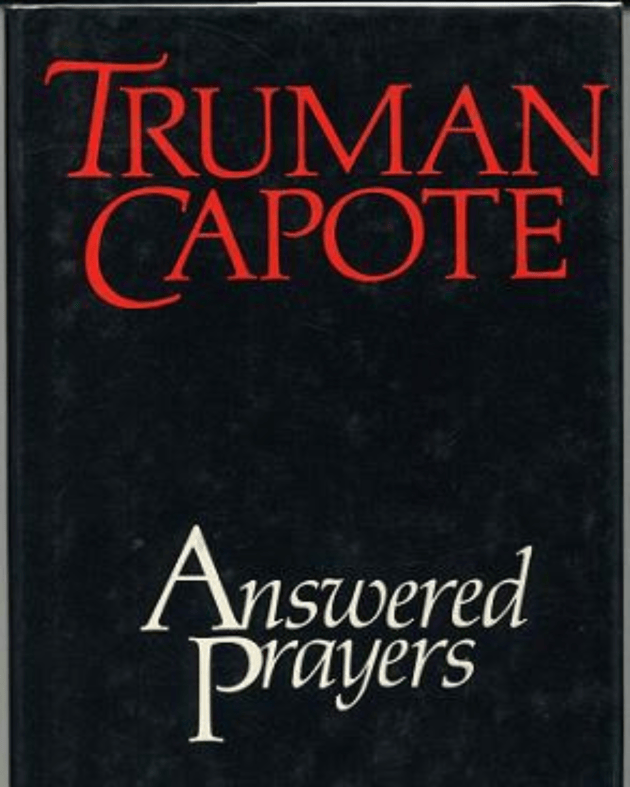
He Was Fascinated by New York’s Elite: Capote became deeply embedded in New York high society and formed friendships with wealthy, influential women whom he called his “swans”. Their lives later became material for his planned novel Answered Prayers. When an excerpt was published, some of the women recognised themselves and were angered by the revelations, contributing to the breakdown of several of Capote’s friendships. (wikipedia)
His Unfinished Novel Was Published After His Death: Capote spent years working on Answered Prayers, but never completed it. Three chapters were published during his lifetime, while an unfinished version appeared posthumously in 1986, two years after his death in Los Angeles at the age of 59. The novel’s incomplete state became one of the defining unfinished projects of his literary career. (wikipedia)