Journalism of Courage

Across India, landscapes are often inseparable from the stories communities have passed down through generations. From a waterfall named after a tragic legend to a forest guardian who guides people through the mangroves, these places show how folklore continues to shape traditions, beliefs and everyday life.

Mandu, Madhya Pradesh: Mandu's ruins are closely associated with the enduring story of Rani Roopmati and Sultan Baz Bahadur. According to local tradition, the gifted singer agreed to marry the ruler on the condition that she could continue seeing the sacred Narmada River. Her story has survived through poetry, music and oral tradition. (wikimedia commons)
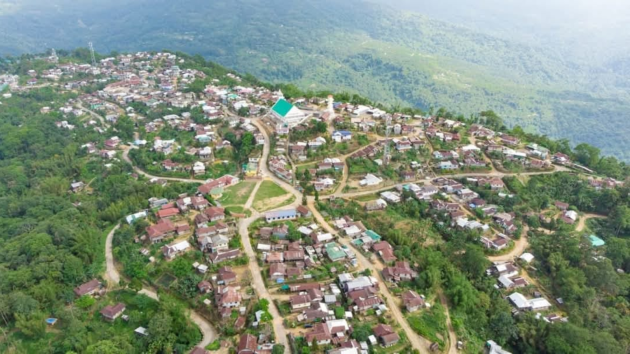
Mopungchuket, Nagaland: The Ao Naga village of Mopungchuket preserves the folk story of Jina and Etiben, lovers whose relationship ended in separation. Different versions tell the story differently, but memorial towers overlooking the village are believed to represent the couple. Their tale remains part of the oral tradition passed down through generations. (wikimedia commons)

Neeli, Kerala: Kerala's oral traditions tell of Yakshi Neeli, a woman who suffered grave injustice before returning as a supernatural figure. Over time, some communities came to regard her not simply as a feared spirit but as a protective local deity. Shrines associated with Neeli reflect how folklore can evolve alongside faith and community beliefs. (wikimedia commons)

Noh Ka Likai, Meghalaya: The dramatic Noh Ka Likai Falls in Meghalaya is tied to the Khasi legend of Ka Likai. According to the story, after discovering the tragic fate of her daughter, Ka Likai was overcome by grief and leapt from the cliff beside the waterfall. Its name means “the Leap of Likai”, giving the landscape a story of love, loss and remembrance. (wikimedia commons)
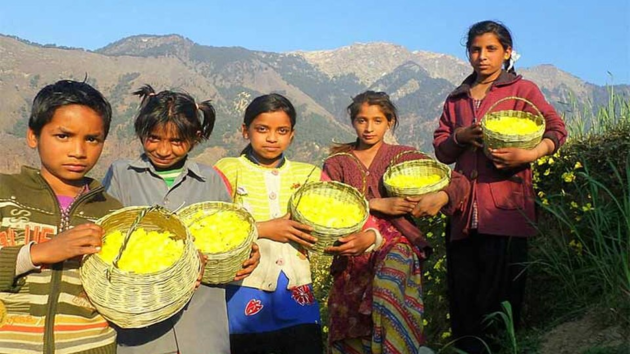
Phool Dei, Uttarakhand: Every March, children in parts of Uttarakhand gather flowers and visit homes, decorating doorsteps while singing blessings for prosperity and a good harvest. The spring festival is also linked to the folk tale of Princess Pyoli, who longed for her mountain home and was believed to have been reborn as the yellow fyoli flower. (wikimedia commons)
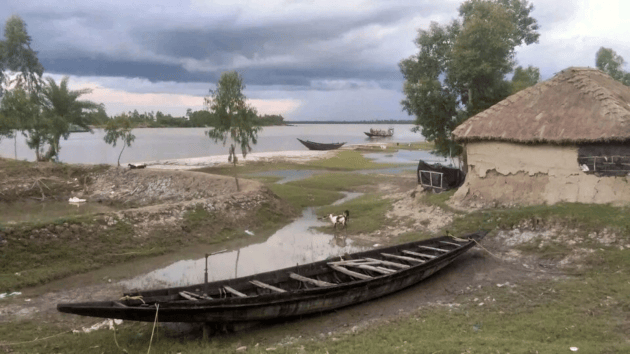
Sundarbans, West Bengal: In the Sundarbans, the legend of Bonbibi is closely woven into the lives of people who depend on the forest. Honey collectors, fishermen and woodcutters traditionally seek her blessings before entering the mangroves. The 18th-century Bonbibi Johuranama recounts her struggle against Dokkhin Rai, the tiger spirit associated with danger and greed. (wikimedia commons)