Flowering trees in bloom at ‘garden city’ Bengaluru are a sight to behold; see pictures
It is said that the flowering trees were first introduced by the German botanist Gustav Hermann Krumbiegal
Updated: April 9, 2022 16:34 IST


 1 / 9
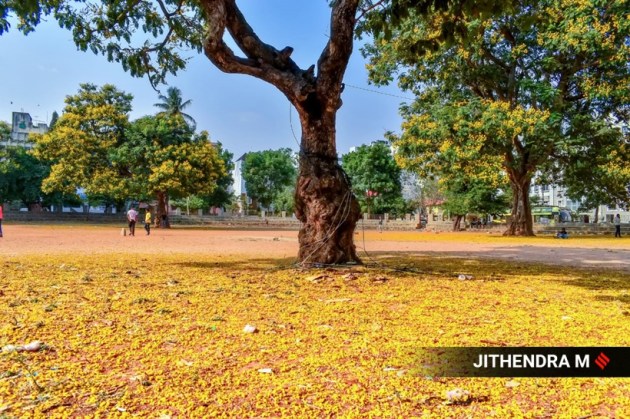
Bengaluru, is famously known for its vast parks, gardens and more specifically for its flowering trees. The pre-monsoon months of March, April and May comprise the summer season in Bengaluru, rightly called the garden city. During the summer season, the city looks more beautiful with the flowering blooms. Here are some not-to miss captures of the city; Copper Pod (Express Photo by Jithendra M)
 2 / 9
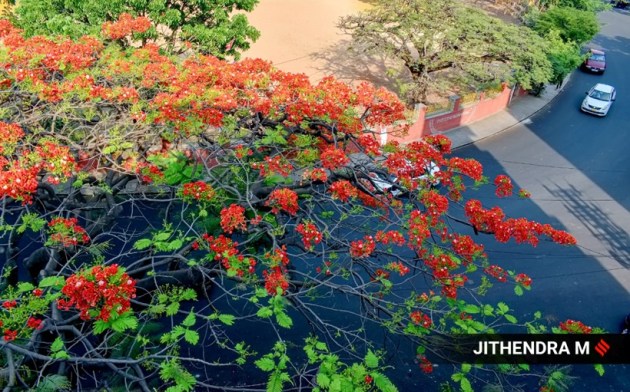
It is said that the flowering trees were first introduced by the German botanist Gustav Hermann Krumbiegal, who was hired by Maharaja Krishnaraja Wodeyar as the economic botanist of Bengaluru's Lal Bagh. The approach was such that the new trees lined the city's avenues at a different time of the year. Chosen from around the world, but mainly from South America, these trees flowered in a serial fashion; Gulmohar (Express Photo by Jithendra M)
 3 / 9
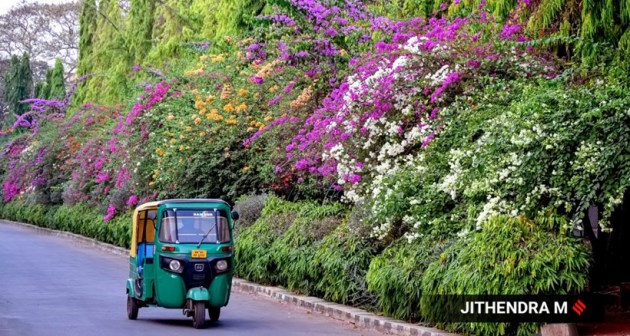
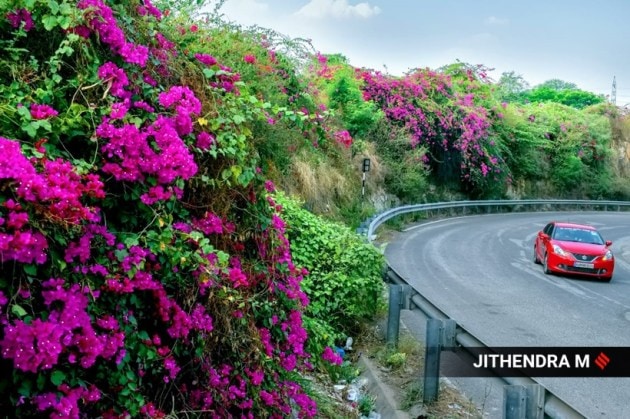
The good old bougainvillea, with its vibrant blooms, has been a regular sight in the gardens in Bengaluru.This thorny and ornamental vine stands out for the motley of colours that add oodles of charm to a garden. (Express Photo by Jithendra M)
 4 / 9
Delonix regia or Gulmohar which is a native of Madagascar, starts to bloom with the onset of the summer season. (Express Photo by Jithendra M)
 5 / 9
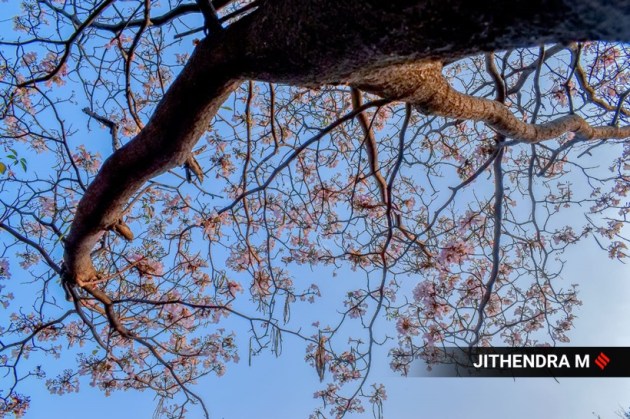
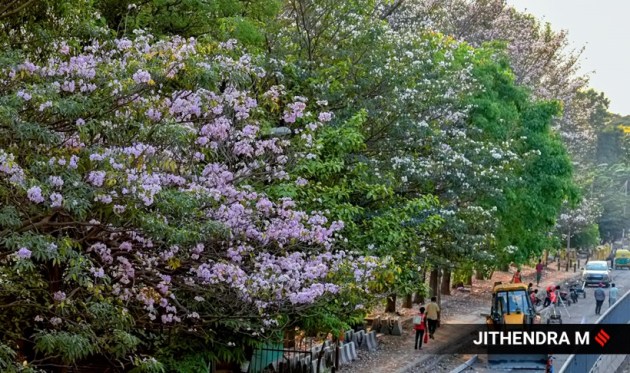
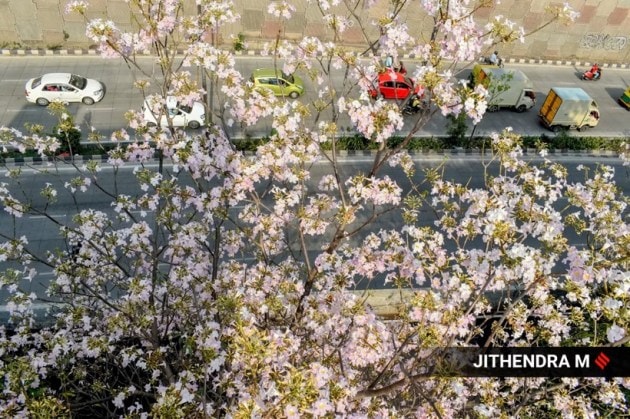
Tabebuia rosea or Pink Poui is one of the many flowering trees which is almost leafless when in bloom. The pale pink flowers grow in clusters similar to the other Tabebuias. (Express Photo by Jithendra M)
 6 / 9
Some large trees of Pink Poui species can be in Cubbon Park, Lalbagh, near National College, Basavangudi, all around Jayanagar 4th Block Shopping Complex and near the General Post Office. (Express Photo by Jithendra M)
 7 / 9
Tabebuia argentea or The Tree of Gold can be seen in many parts of Bengaluru including City Railway Station, and Cubbon Park. (Express Photo by Jithendra M)
 8 / 9
The bougainvillea originate from tropical South and Central America, where they're called paper flowers (Express Photo by Jithendra M)
 9 / 9
Pink Poui is undoubtedly a splendid tree when in bloom, don't you agree? (Express Photo by Jithendra M)
AdvertisementBest of ExpressAdvertisement