Journalism of Courage
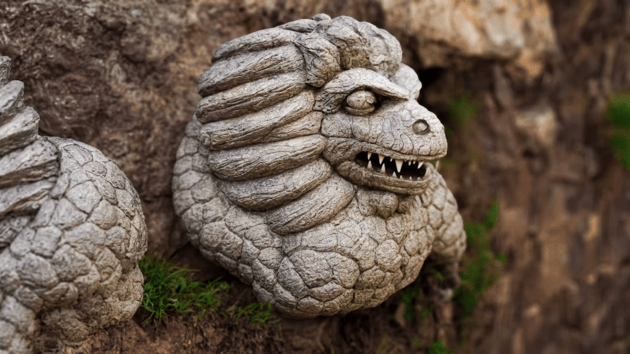
Some of the world's most famous mythical beasts have surprisingly modern origins. While creatures such as dragons and unicorns have roots stretching back thousands of years, others became famous through newspaper reports, mistranslations, alleged sightings and even elaborate hoaxes. Here are six mythical beasts and the stories behind how their legends developed. (unsplash)
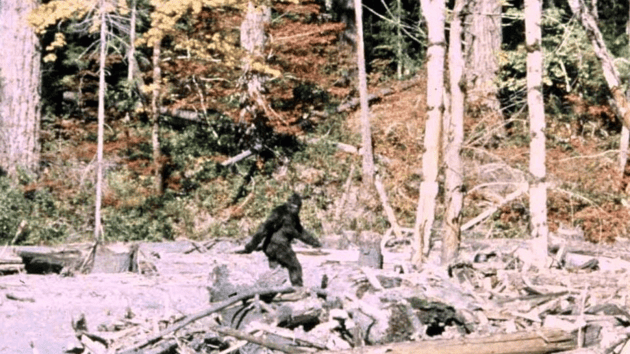
Bigfoot: Stories of giant, hairy wild people existed in several cultures long before the name Bigfoot became famous. In the 1920s, teacher John W. Burns recorded accounts of such beings in British Columbia and popularised the name “Sasquatch”, adapted from the Halkomelem term sæsq’ec. The term “Bigfoot” emerged in Northern California in 1958 after loggers reported enormous footprints. Plaster casts and newspaper coverage turned the story into a national sensation, although the tracks were later attributed to carved wooden feet. (wikimedia commons)
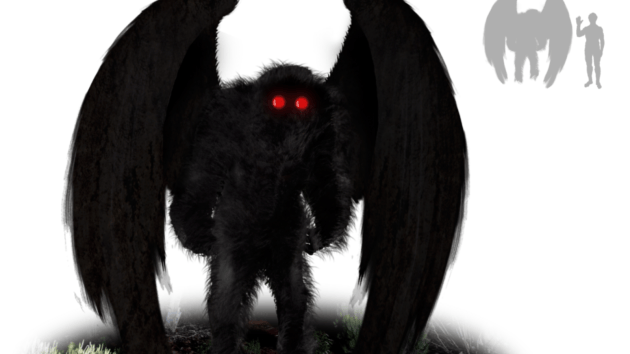
Mothman: Unlike ancient monsters, Mothman emerged in the 1960s. In November 1966, reports from Point Pleasant, West Virginia, described a large winged figure with enormous red eyes. More sightings followed over the next year, and the creature was named partly after Killer Moth, a Batman villain. After the 1967 Silver Bridge collapse, paranormal writer John Keel connected the creature's sightings with the disaster, helping transform a local story into a lasting legend. (wikimedia commons)
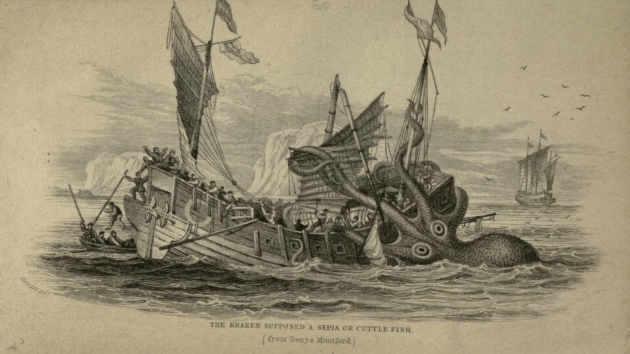
The Kraken: The Kraken emerged from Scandinavian folklore as a gigantic sea creature capable of attacking ships and swallowing crews. Unlike some mythical creatures, its legend may have been influenced by a real animal: the giant squid. Oarfish, whales, seals, octopuses and other marine animals may also have contributed to historical accounts of mysterious sea serpents. The Kraken thus sits at an unusual intersection between folklore and real deep-sea creatures. (wikimedia commons)

The Loch Ness Monster: Scotland had older stories about water horses and other aquatic beings, but the modern Loch Ness Monster took shape in 1933. A reported sighting by local residents was turned into a dramatic newspaper story, after which accounts multiplied. Some of the most famous evidence later unravelled: supposed monster tracks were made using a preserved hippopotamus foot, while the famous 1934 “Surgeon's Photograph” was eventually revealed to depict a model attached to a toy submarine. (wikimedia commons)
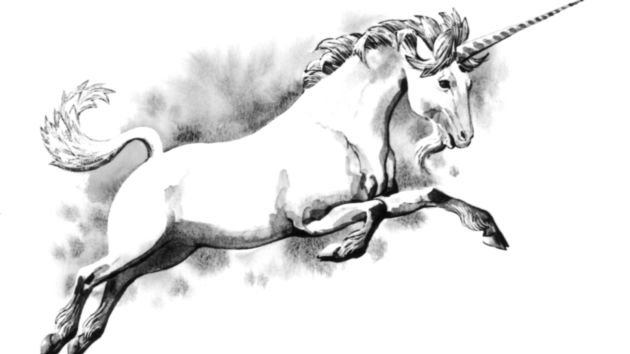
The Unicorn: One of the earliest written accounts of a unicorn-like animal came from the Greek physician Ctesias in the fourth century BCE. He described a strange animal from Persia with a single multicoloured horn. Later accounts may have mixed up animals such as rhinoceroses and oryxes. In medieval Europe, translations of the Hebrew re'em as “unicorn” helped strengthen the creature's place in Christian symbolism. Supposed unicorn horns were also sold as protection against poison, although many were actually narwhal tusks. (wikimedia commons)
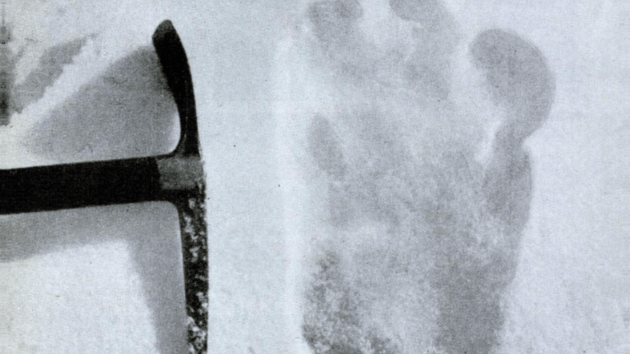
The Yeti: Himalayan communities had long told stories about wild, hairy mountain beings, but the English-speaking world became fascinated with the creature after the 1921 British Everest Reconnaissance Expedition. Journalist Henry Newman translated a Sherpa name for the creature as “Abominable Snowman”. Later supposed evidence included footprints, a mysterious finger and a scalp, but the finger was human and the scalp came from a serow. Bears and other animals can also account for some reported tracks. (wikimedia commons)