

Journalism of Courage
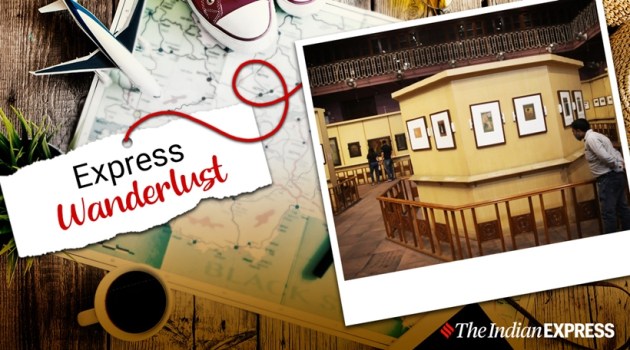
Founded in 1814, Indian Museum is the earliest and the largest multipurpose museum in the Asia-Pacific region of the world. With rare collections of antiques, armours and ornaments, fossils, skeletons, mummies and Mughal paintings, this museum was founded by the Asiatic Society of Bengal in Kolkata, and is the ninth oldest museum in the world. In this week's Express Wanderlust, we take a tour of this place, especially since it has opened its doors for visitors after a gap of several months.

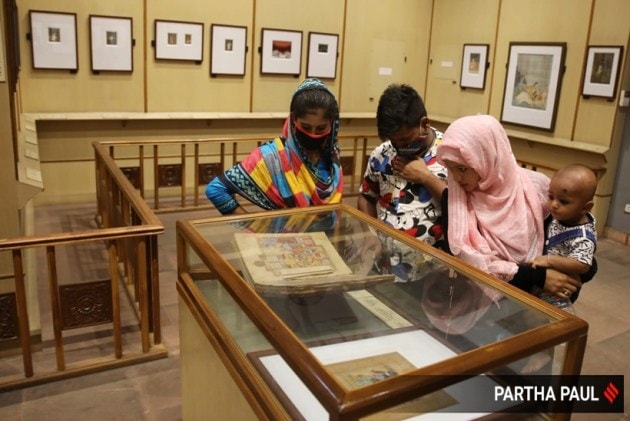
The Asiatic Society of Bengal proposed the creation of Indian Museum in 1794 which was a step towards the cultural development and value addition to the heritage and history of India. The idea got concrete in the beginning of 1808 after the government granted the society members a suitable place in Park Street area for the museum. (Express photo by Partha Paul)
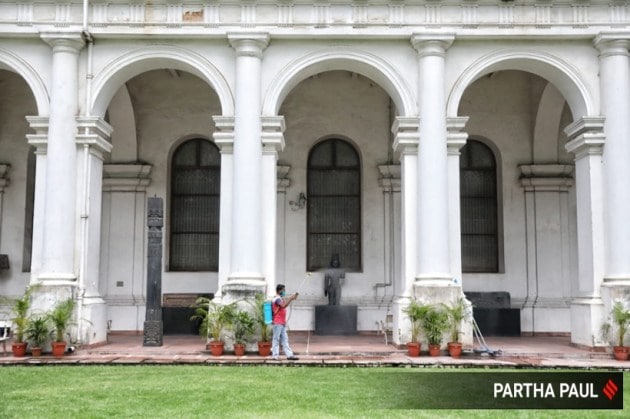
The idea behind the museum was to create a centre of art and culture for the reception and preservation of the objects, performed by man or produced by nature. (Express photo by Partha Paul)
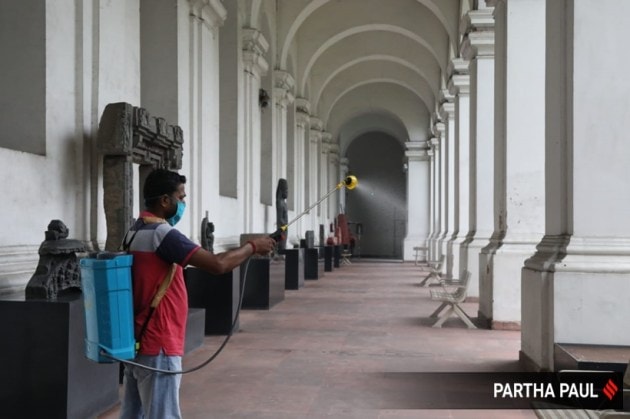
In 1814, Dr Nathanial Wallich, a Danish botanist, wrote a letter to the society in which he advocated the formation of a museum and proposed to act as honorary curator of the museum apart from supplying duplicated from his own collections. (Express photo by Partha Paul)
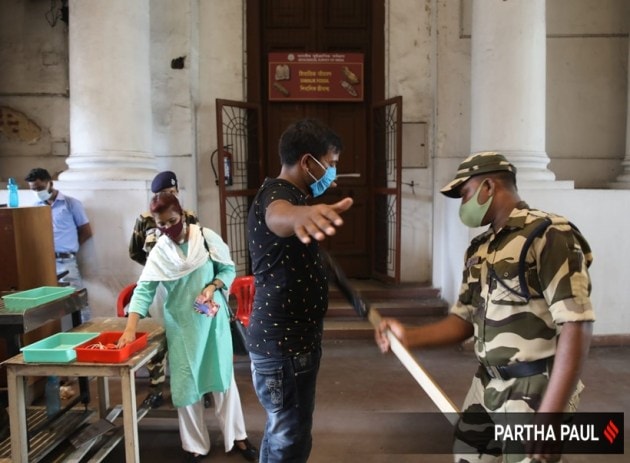
Eventually, the museum was established on February 2, 1814, under the guidance of Dr Wallich and he was appointed as Honorary curator of the Oriental Museum of the Asiatic Society. (Express photo by Partha Paul)
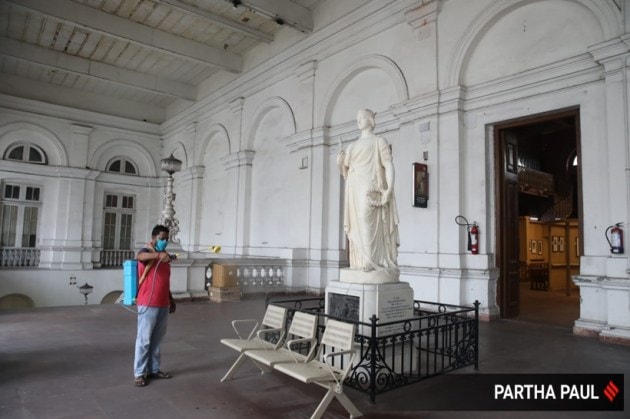
He suggested the museum have two sections -- an archaeological, ethnological and technical section and a geological and zoological one. He also donated several botanical specimens from his personal collection. (Express photo by Partha Paul)
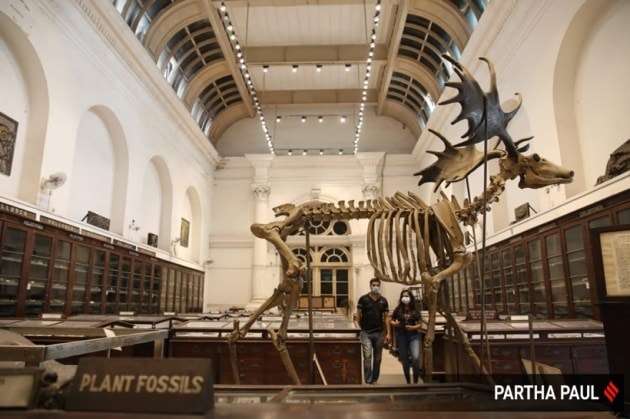
The museum was decorated with interesting and curious objects from various parts of the country. In 1816, 27 European donors donated 174 gift items to the museum. (Express photo by Partha Paul)
The individual collectors were Col Stewart, Dr Tytler, General Mackenjzie, Mr Bryan Hodgson, Capt Gillon. Among the 49 Indian donors, the most known names were Baboo Ram Comul Sen, Kali Kissen Bahadoor, Moharaja Radhacant Deb, Mathuranath Mullick, Sivachandra Doss, and her Highness Begam Sambroo. (Express photo by Partha Paul)
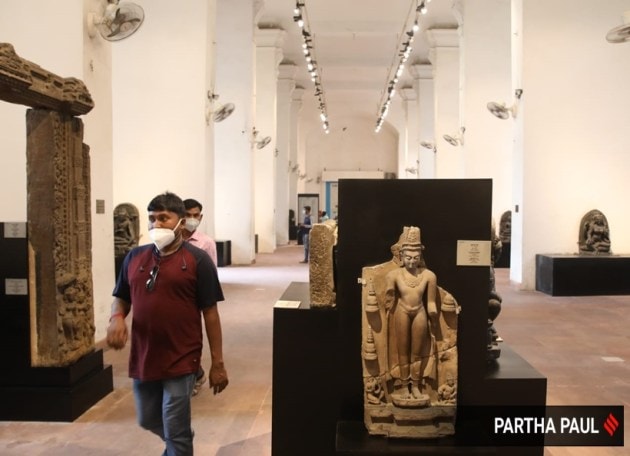
In the beginning, the museum was named 'Asiatic Society Museum' and then, 'Imperial Museum'. Later, it went on to be renamed as the 'Indian Museum'. It comes under the Ministry of Culture, Government of India. (Express photo by Partha Paul)
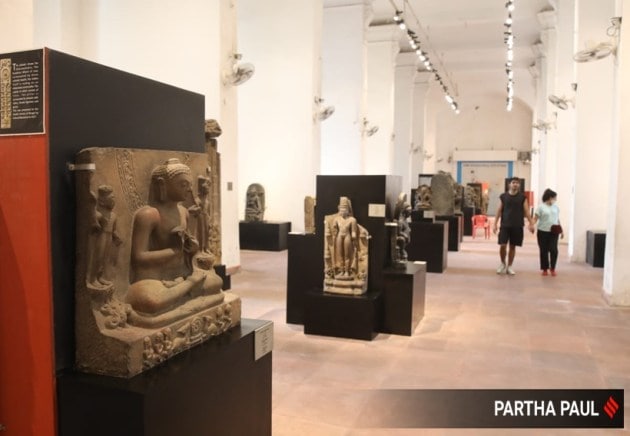
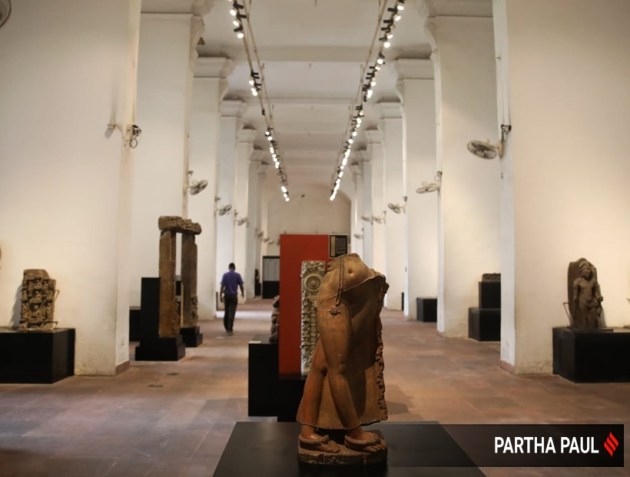
The artifacts and sculptures of Gandhara School of Art at Indian Museum. Visitors at the country's oldest museum were clicked looking at Buddha and other stone sculptures on Tuesday. Gandhara School of Art is primarily considered to have developed in Southern Afghanistan and Pakistan. The Bamiyan Buddha sculptures that were destroyed by the Taliban belonged to the School. As Taliban took over Afghanistan again, these sculptures from that very region are generating curiosity among many visitors.(Express photo by Partha Paul)


