Journalism of Courage

Food often slips quietly into novels, tucked between conversations, descriptions and major plot points. But some dishes do more than fill a character’s plate, they evoke comfort, hunger, wealth, temptation or social expectations. Here are six literary dishes you may have skimmed over while reading some of the best known English novels. (unsplash)
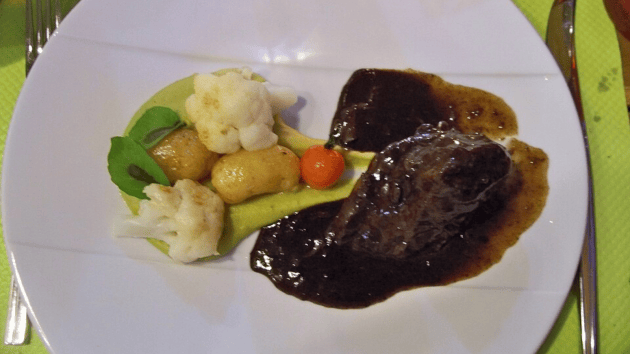
Boeuf En Daube, To The Lighthouse: Virginia Woolf gives boeuf en daube, a French beef stew, a central place in To the Lighthouse. The dish is prepared for the Ramsays’ dinner and becomes part of one of the novel’s most important social gatherings. Beneath the elaborate meal, Woolf explores the characters’ relationships, anxieties and private thoughts. (wikimedia commons)
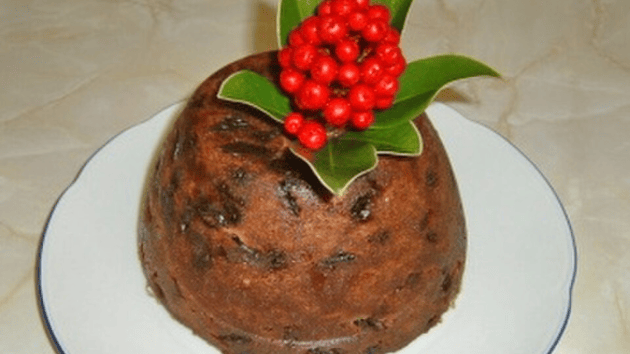
Plum Pudding, A Christmas Carol: Charles Dickens’ A Christmas Carol features the Cratchit family’s Christmas feast, with Mrs Cratchit’s plum pudding becoming its star attraction. The pudding is described as a triumphant dish despite the family’s limited means, reflecting the warmth and generosity of their celebration. (wikimedia commons)
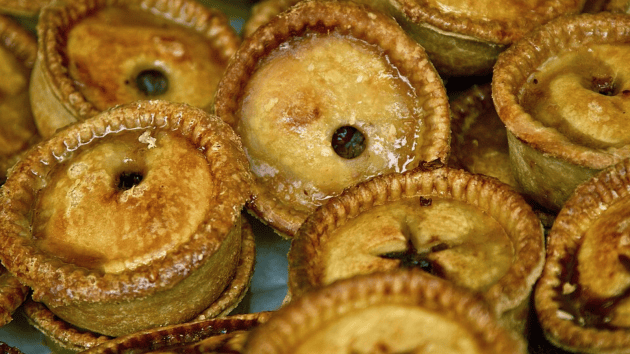
Pork Pie, Great Expectations: Charles Dickens’ Great Expectations opens with Pip stealing food for the escaped convict Magwitch. Among the provisions is a “beautiful, round compact pork pie”, which becomes part of Pip’s secret act of compassion. Food and meals repeatedly carry social and emotional significance throughout the novel. (wikimedia commons)
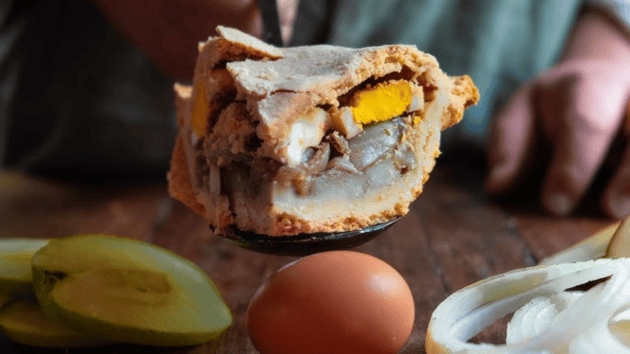
Salmagundy, Pride And Prejudice: Jane Austen’s Pride and Prejudice makes a passing reference to the elaborate meals associated with Georgian dining. One such dish was salmagundy, a composed dish that could combine ingredients such as meat, fish, vegetables, eggs and other garnishes. A Georgian “course” could contain numerous dishes, so even a seemingly simple dinner invitation could involve an elaborate display of food and hospitality. (wikimedia commons)
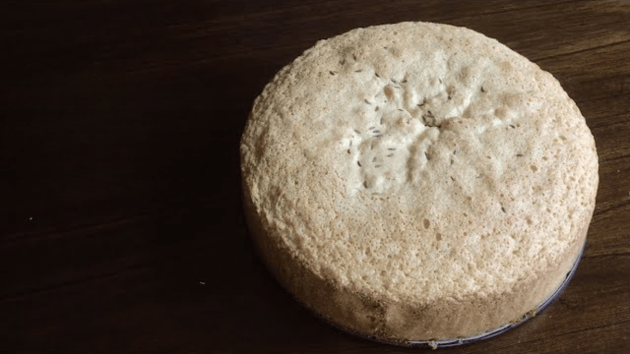
Seed Cake, Jane Eyre: In Charlotte Brontë’s Jane Eyre, a small seed cake and tea become a memorable moment of comfort for Jane during her difficult years at Lowood. The modest treat stands in contrast to the hunger and poor food associated with the school, making the simple act of sharing food especially meaningful. (wikimedia commons)
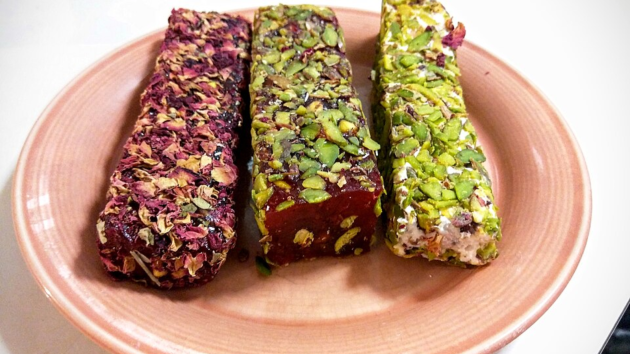
Turkish Delight, The Lion, The Witch And The WardrobeTurkish Delight, The Lion, The Witch And The Wardrobe: In C.S. Lewis’ The Lion, the Witch and the Wardrobe, Turkish delight is the magical sweet offered by the White Witch to Edmund. His craving for more becomes an important part of the temptation that draws him into her schemes, making the confection one of the most recognisable foods in children’s literature. (wikimedia commons)