Journalism of Courage
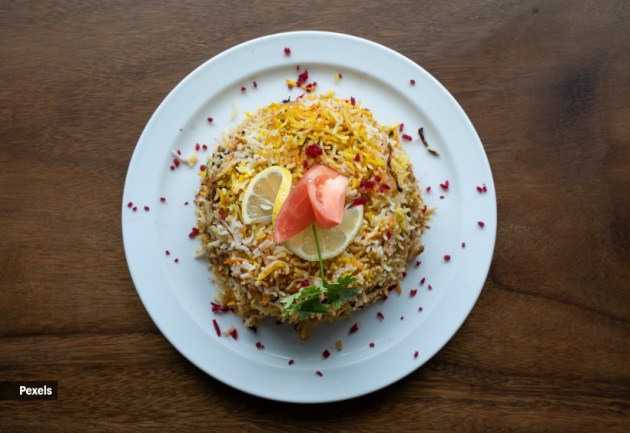
India's diversity can be captured in the headiness of aromas, kaleidoscopic colours and lip smacking taste of its culinary richness and elaborate history. However, many of the wildly popular and ubiquitous 'Indian' dishes are believed to have originated in different parts of the world. These come together in the melting pot of cultures that is our country, which, over many generations, has embraced ingredients as well as dishes from its neighbouring countries, and beyond.
Often referred to as 'the nawab of dishes', biryani is a world-famous meal. The scent of steaming basmati rice with aromatic spices, meat, or vegetables is one that has graced many kitchens across the world. In an article published on sahapedia.org, Nilanjan Hajra, the author of the book 'Kissa Kabab Ka', notes that Biryani's origins are believed to be in Persia. The word 'birian,' which means 'fried before cooking,' comes from the Persian language. (Photo: Pexels)

The origins of one of North India's most loved dishes, chicken tikka masala, is believed to have its origin in Glasgow, Scotland where, in 1971, an innovation of the dry chicken was cooked at the request of a customer by British-Bangladeshi chef Ali Ahmed, as per an article published on scmp.com, titled 'Fact check: is chicken tikka masala actually Indian, not British?' (Photo: Pixabay)
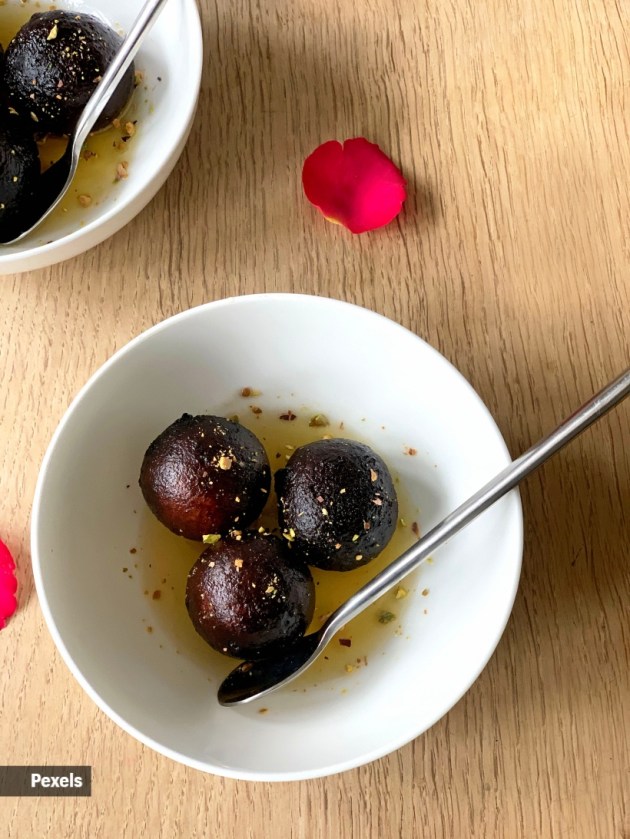
Gulab jamun is as much a celebratory dessert for Indians as it is a comfort food. This one, too, is believed to have been a gift of Persian cuisine. It bears resemblance to the Arab dessert 'luqmat al qadi,' which was made by soaking khoya balls in honey syrup and then having them sprinkled with sugar. Michael Krondi, the author of ‘The Donut: History, Recipes, and Lore from Boston to Berlin’ writes in his book about a "round fritter that eventually became gulab jamun ('gulab' comes from the Persian word for rose, while jamun refers to a local fruit).” He also states, “The Indian recipe is more complex than in the Middle East, requiring a mixture of dried and fresh milk thickened with flour. But as in Iran, the mixture is fried and soaked in rosewater syrup”. (Photo: Pexels)
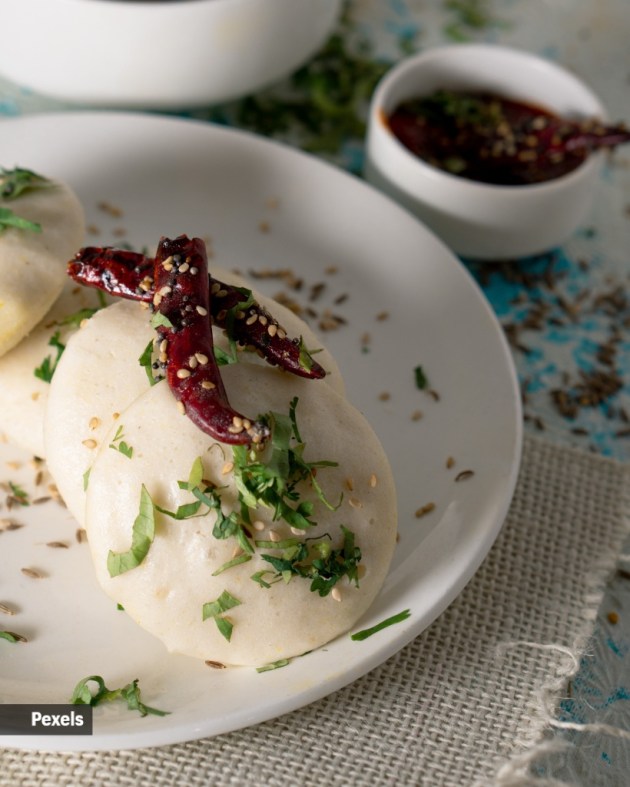
Idli, South India’s famous steamed rice cake which many of the locals couple with condiments for a satiating breakfast, came to India from present day Indonesia around 800-1200 CE, as food historian KT Acharya states in an article published on livehistoryindia.com. (Photo: Pexels)

Jalebi, another popular Indian delicacy that is found in every streetside sweet shop in India, is said to have its roots in Iran. It was first known as 'zalabiya' (Arabic) or 'zalibiya' (Persian), as per food historian KT Acharya, writes Kaushik Dasgupta in his article titled 'The sugar syrup-coated orange whorls of delight', published on indianexpress.com. (Photo: Pexels)

To call 'chai' just a beverage in India would be no less than a crime. It is almost an emotion that runs deep in this country's populace. And it is a gift to the world from China and was and was introduced and popularised by the British, writes Bibek Debroy in his article 'Reading the tea leaves', on indianexpress.com. He also adds, "Tea, in the form we know it now, is not quite an indigenous Indian drink, though some form of Camellis sinensis was indeed drunk locally." (Photo: Pixabay)
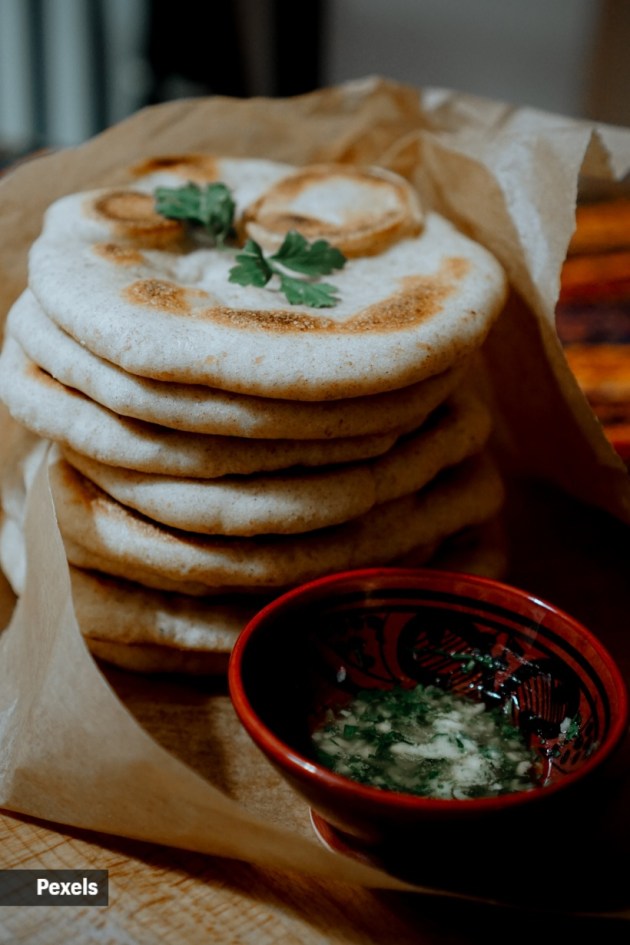
Naan or Indian flatbread, made of flour and baked in the oven or tandoor is eaten with butter and garlic and combined with a variety of gravies. In an article titled 'Food Story: How Naan and Kulcha becme India's much-loved breads' on indianexpress.com, writes "Developed around 2,500 years ago, Naan originated by virtue of an experiment, after the arrival of yeast in India from Egypt (where the yeast was being used to brew beer and make leavened breads since 187 BC)." (Photo: Pexels)

The hot aloo-stuffed samosas, which are a staple for rainy and cold evenings, is one of the most popular street foods of the country. Before the 10th century, samosas were popular in the Middle East. It was first known as a 'sambosa,' and it was introduced to Indians by Central Asian traders in the 14th century. Food historian and writer Osama Jalali writes in an article 'Samosa originated in Middle East', published on newindianexpress.com, "Its first reference is found in a 9th century poem by Persian poet Ishaaq al Mawsili. It travelled to India with the traders around 13th or 14th century and found space in the poem by Amir Khusro, the famous sufi poet." (Photo: Pexels)