Journalism of Courage

Frequent Thirst and Urination: One of the earliest signs of prediabetes is polydipsia (excessive thirst) and frequent urination. Elevated blood sugar forces your kidneys to work harder to filter and absorb glucose, which leads to dehydration and increased fluid loss. (Source: Photo by unsplash, reference from Mayo Clinic and Healthline)

Unexplained Fatigue: Feeling constantly tired, even after adequate sleep, may indicate poor glucose regulation. When your body can’t use sugar efficiently for energy, cells starve, leaving you fatigued and sluggish throughout the day. (Source: Photo by unsplash, reference from Mayo Clinic and Healthline)
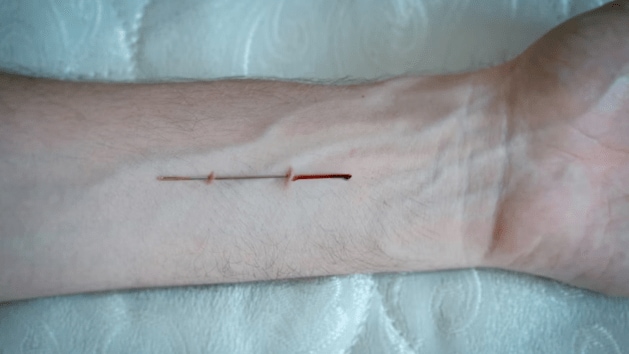
Slow Wound Healing: If cuts, bruises, or infections take longer than usual to heal, it may be due to impaired blood circulation and high blood sugar levels. This is an early red flag that your body’s repair mechanisms are being compromised. (Source: Photo by unsplash, reference from Mayo Clinic and Healthline)

Blurred Vision: Fluctuating blood sugar levels can cause temporary swelling in the eye lens, leading to blurry or fluctuating vision. If this occurs often, it might be a sign that your glucose levels are unstable. (Source: Photo by unsplash, reference from Mayo Clinic and Healthline)

Tingling or Numbness Sensation in Feet: Nerve damage (early neuropathy) can begin even in the pre-diabetic stage. Tingling, numbness, or a burning sensation in the hands and feet is a warning sign that high blood sugar is affecting your nerves. (Source: Photo by unsplash, reference from Mayo Clinic and Healthline)

Weight Fluctuation: Unexplained weight gain, especially around the abdomen, or sudden weight loss without lifestyle changes, can both signal prediabetes. Insulin resistance often leads to fat storage in the belly area, increasing diabetes risk. (Source: Photo by unsplash, reference from Mayo Clinic and Healthline)