Journalism of Courage
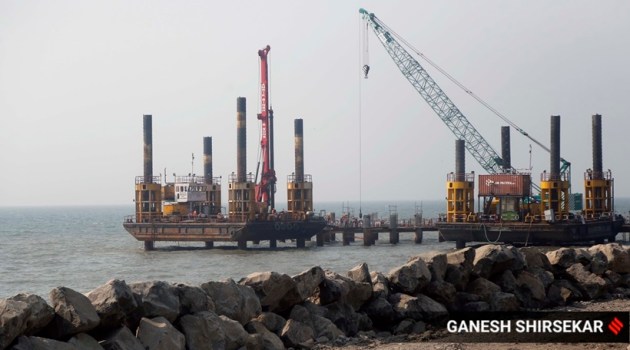
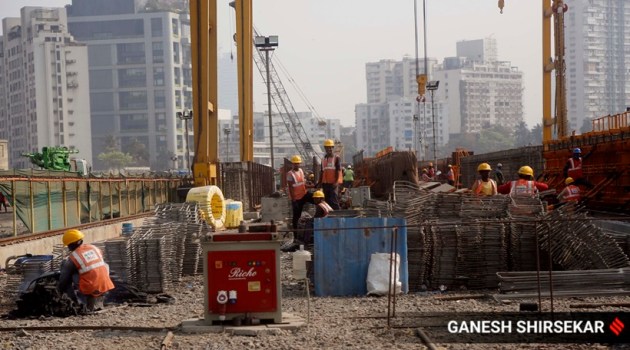
It's the southern part of the road, a 10.58 km stretch from Marine Drive to the Worli Sea link, that is attracting attention. Much of it is being built on land reclaimed from the sea.

The road will include complex interchanges, a road bridge, parks and promenades.

This stretch has been divided into three parts — from Princess Street flyover at Marine Drive to Priyadarshini Park on Malabar Hill; from there to Baroda Palace (near Haji Ali); and the last from Baroda Palace to the Worli-end of the Sea Link.
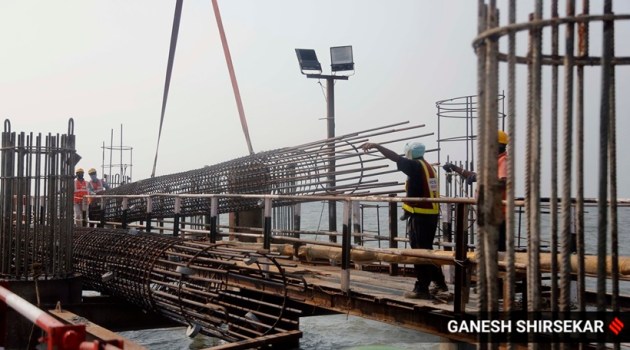
From Malabar Hill to the Sea Link, the Coastal Road will mostly be built on reclaimed land, around 50-70 meters inside the sea. The complexity involved in the project is the land that needs to be reclaimed.
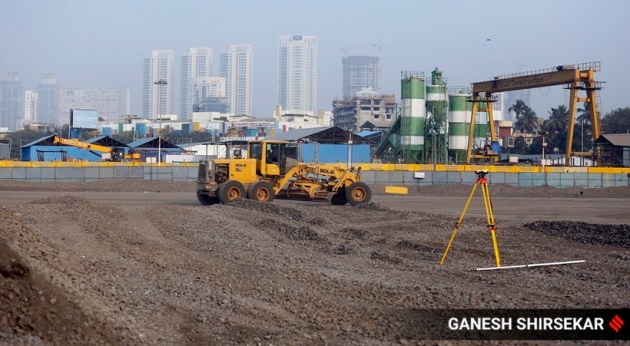
But the most challenging segment is from Marine Drive to Girgaon Chowpatty, where the road will run a kilometre or so under the sea, through a set of twin tunnels.
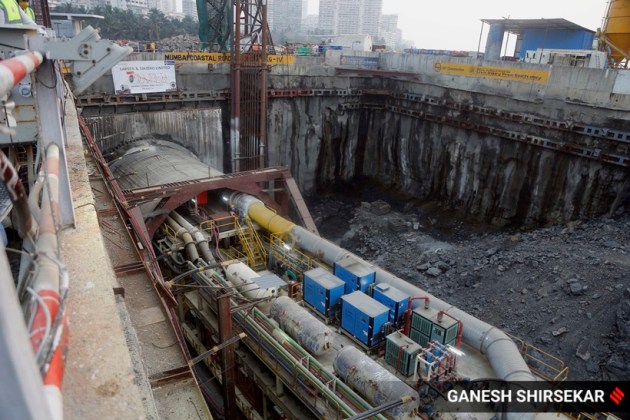
Mumbai's undersea road tunnel, which will pass through Arabian Sea, will be the first of its kind in India. It is expected to be ready by 2023.
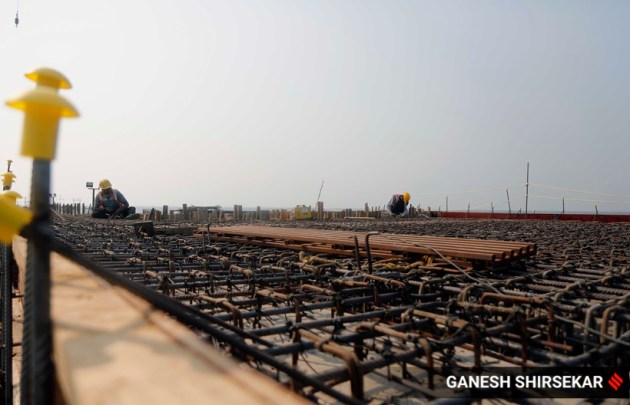
Along the way, the project has seen its share of protests, court battles and a nine-month suspension of work. There are concerns being raised on the impact the road and its construction will have on marine life and livelihoods of fishing communities along the coast.
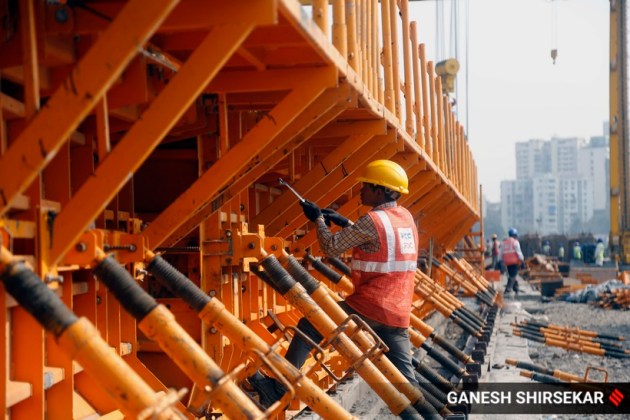
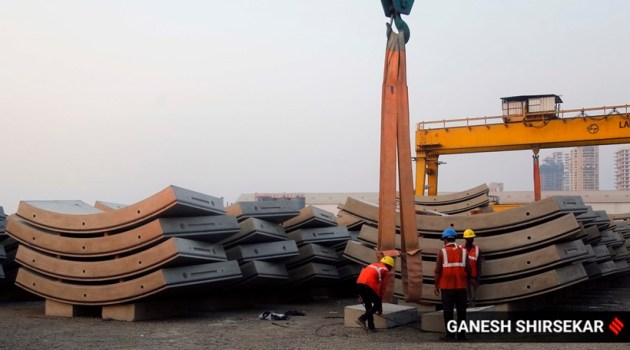
For the Shiv Sena-controlled Brihanmumbai Municipal Corporation (BMC), which is funding the project, this is as big as it gets.