Journalism of Courage

Dr Manmohan Singh, the 14th Prime Minister of India and widely acknowledged as the architect of the country’s economic reforms, passed away on Thursday at the age of 92.
Singh was admitted to the emergency department of the All India Institute of Medical Sciences (AIIMS) in Delhi, where he breathed his last, sources told The Indian Express.
Born on September 26, 1932, in Gah village, West Punjab (now in Pakistan), Singh’s life was a testament to service, scholarship, and leadership. He earned a Master’s degree in Economics from Panjab University, Chandigarh, and later obtained a doctorate from the University of Oxford.
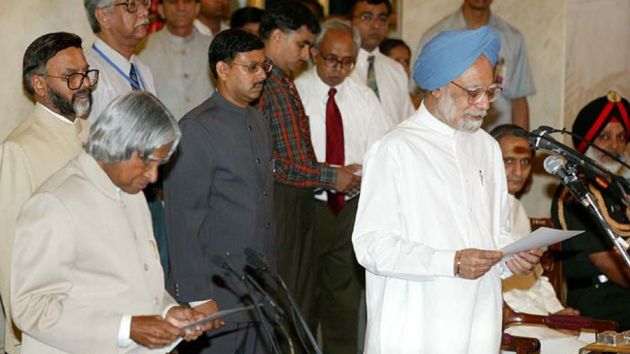
Singh served as Prime Minister from May 22, 2004, to May 26, 2014, leading the Congress-led United Progressive Alliance (UPA) government for a historic 3,656 days. His tenure made him the third longest-serving Prime Minister in Indian history, following Jawaharlal Nehru and Indira Gandhi.
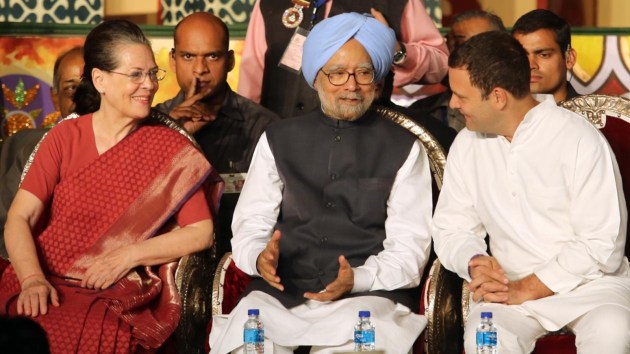
In 2004, Sonia Gandhi, who was elected as Congress leader and UPA chairperson, chose not to become Prime Minister. Instead, she appointed Manmohan Singh, creating an unusual power-sharing model — she took care of the “political” decisions and he of “governance”
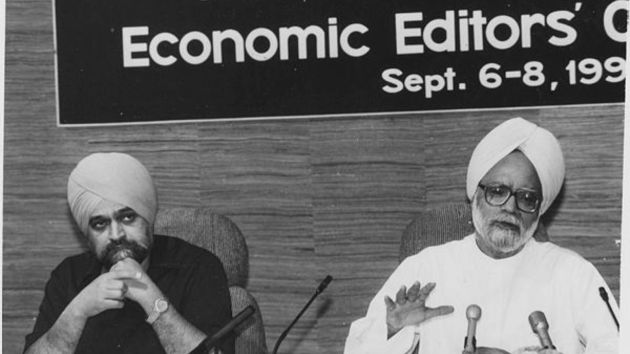
Starting as the Economic Advisor to the Ministry of Foreign Trade in 1971, he quickly rose through the ranks. By 1976, he was Chief Economic Advisor in the Ministry of Finance.
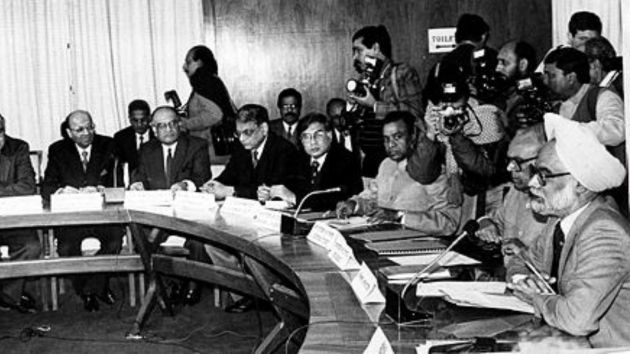
A champion of economic liberalisation, Singh as the PM later presided over an expanding economy with a trajectory of high growth.
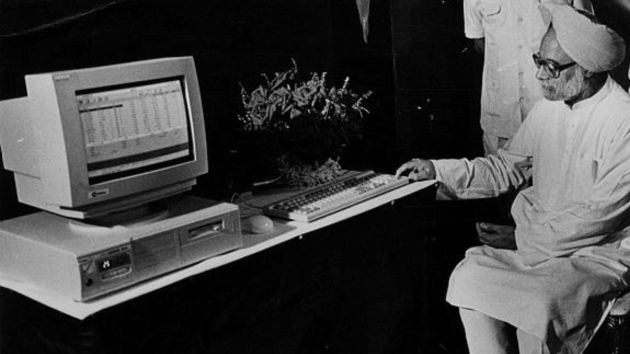
Over the years, he held several key roles, including Director of the Reserve Bank of India, Alternate Governor for India at the Asian Development Bank and the International Bank for Reconstruction and Development, and Member (Finance) at the Atomic Energy and Space Commissions.
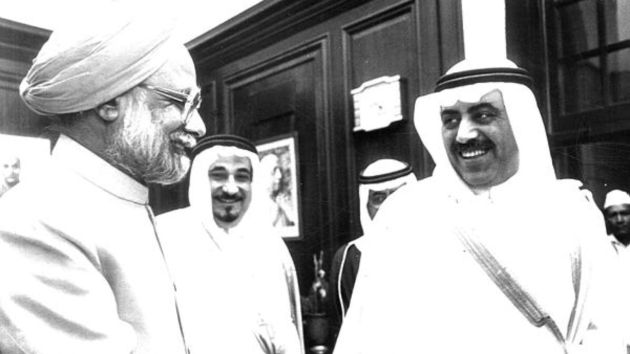
His contributions extended beyond economics. As Prime Minister, he prioritized inclusive growth, social welfare, and diplomacy, steering India through global economic challenges and strengthening its position on the world stage.
The Indo-US nuclear deal (in 2008), led to a strategic relationship with the US, a process which continues apace. Singh and US President George Bush enjoyed a remarkable chemistry in their relations.
Singh’s rise from humble beginnings to the pinnacle of power is the story of a self-made man; that such a rise can take place in India is to the credit of India’s incredible democracy, however faltering it may be. India mourns the loss of a statesman whose vision, integrity, and leadership left an indelible mark on the nation’s history.