Journalism of Courage

June 15 marks the first anniversary of the clashes that broke out between the troops of the Indian Army and the Chinese People’s Liberation Army near the LAC (line of actual control) in Galwan valley, | PTI Photo
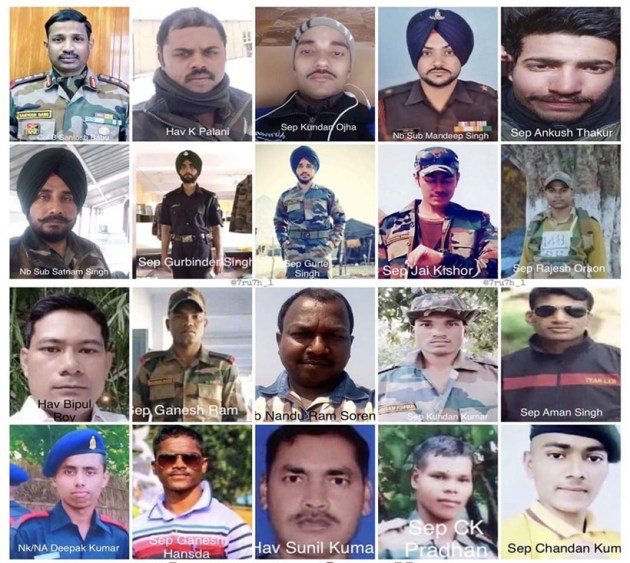
20 Indian Army soldiers, including Colonel Santosh Babu, lost their lives in the Galwan valley. The PLA also lost their troops, with the official number admitted as four personnel | Express photo
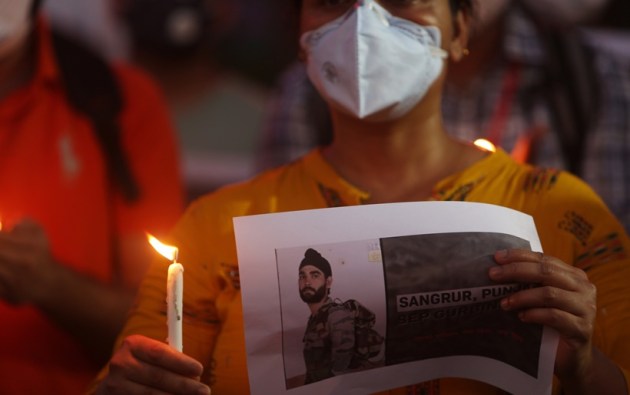
The clash the worst in 45 years, and led to a military standoff with China and at least 11 rounds of military talks for the disengagement process | Express photo
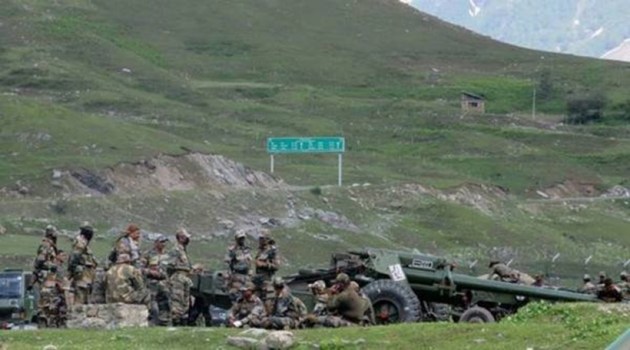
Tensions had been high at the Line of Actual Control (LAC) weeks before the clash, with both sides deploying an increased number of soldiers at the border | Reuters
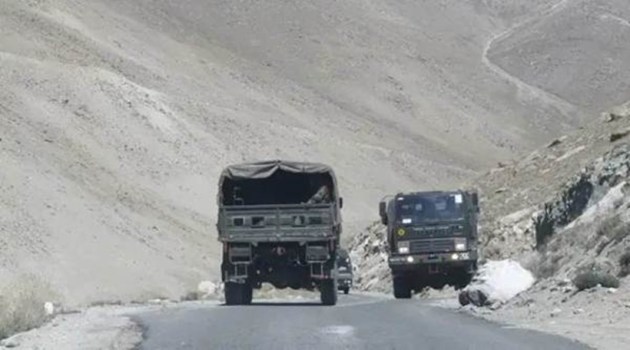
India contended that China had moved into the Indian side of the LAC . Talks held between local military commanders of both the armies on June 6, led to a mutually-agreed disengagement process | (Source: Wangailkaya/File)
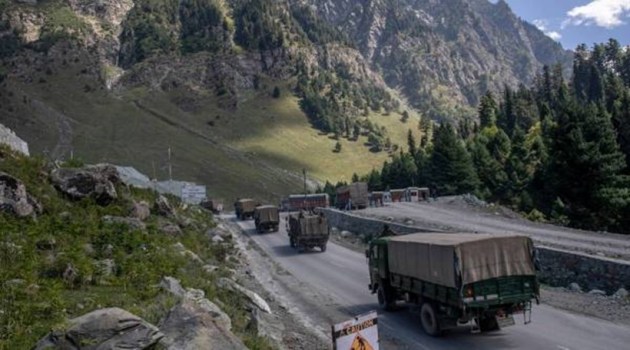
A buffer zone was to be created between the two armies, however, an Indian commander noticed a Chinese camp in the area and went to inspect. This escalated into a fight, resulting in deaths and injuries | Ap/file
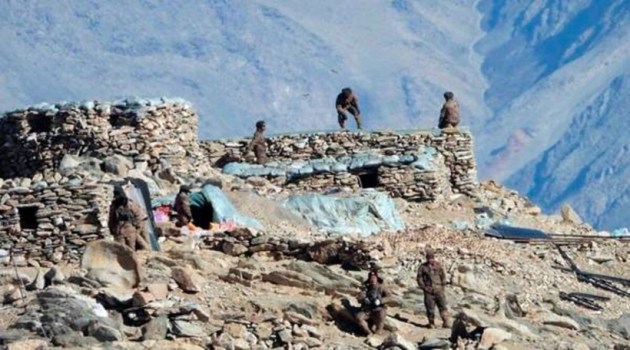
A meeting between Corps Commanders of the Indian and Chinese armies ended with “mutual consensus to disengage” on June 16 | Indian Army/AP
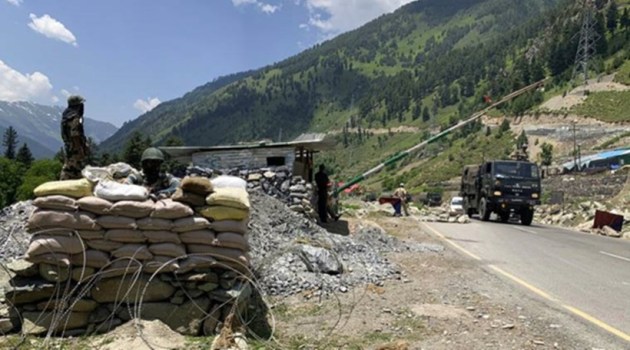
The series of meetings continued till end of 2020, with an escalation in September. However, the first major breakthrough in talks to resolve the nine-month military standoff was only reached in February 2021, with China announcing that Chinese and Indian troops on the southern and northern shores of Pangong Tso began “synchronized and organized disengagement” | Reuters
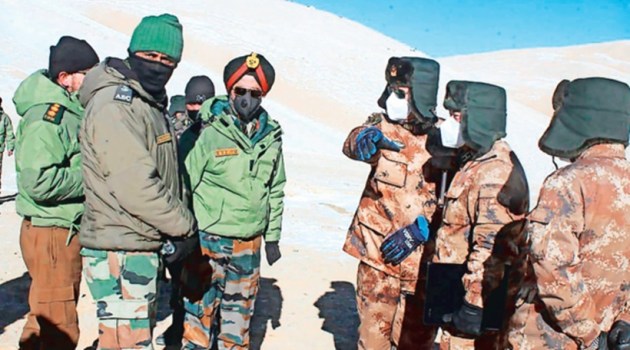
Following the disengagement in the north and south banks of Pangong Tso, Army Chief General M M Naravane stated on May 19, “with no transgressions happening with no violations of this disengagement, I think the trust has built up". He added that the troop levels continue to be what they were at the height of stand-off | AP Photo via Indian Army)