Young, charismatic, far-right: Meet Ulrich Siegmund, the man behind AfD’s Germany win and what it means

He's been called "Germany's most dangerous man" and he wears it as a badge of honour. Here's what to know about the AfD leader who just made history in Saxony-Anhalt.

3 min readSep 8, 2026 04:31 AM IST First published on: Sep 7, 2026 at 04:26 PM IST
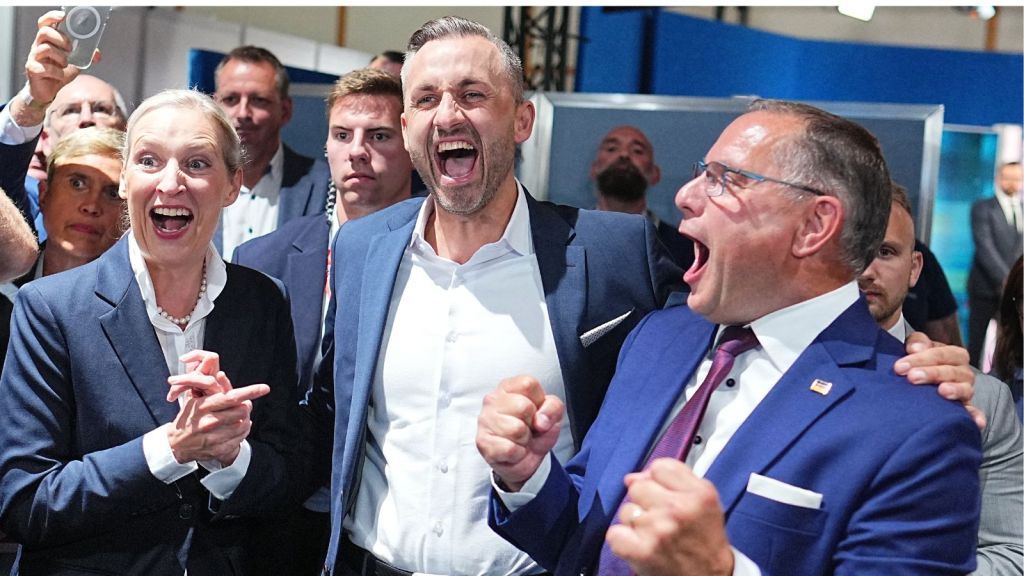
Germany ElectionUlrich Siegmund, center, lead candidate and co-chair of the AfD state parliamentary group in Saxony-Anhalt. (Photo: AP)

Ulrich Siegmund is a 35-year-old politician from the Alternative for Germany (AfD), the country’s far-right party. He leads the AfD in the eastern state of Saxony-Anhalt, where on Sunday the party won at least 44 per cent of the vote, according to exit polls cited by AFP, a historic result that could make Siegmund the first far-right leader of a German state since the Hitler era.

Born in Saxony-Anhalt in October 1990, just weeks after German reunification, Siegmund still lives in his hometown of Tangermünde with his wife and daughter. Before politics, he studied business psychology and ran a small company selling air fresheners.
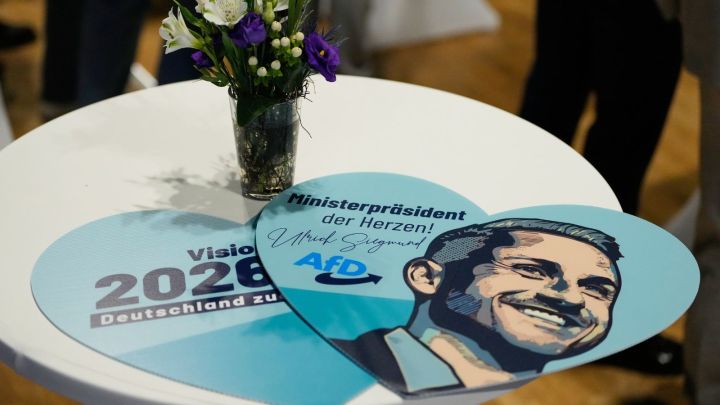
Germany Election
Heart shaped signs showing AfD top candidate Ulrich Siegmund are pictured on a table at an election party of the “Alternative for Germany” (AfD) after the Saxony-Anhalt state elections in Magdeburg, eastern Germany. (Photo: AP)

Why he’s called ‘the most dangerous man in Germany’

The nickname comes from a Der Spiegel cover story last month, which put Siegmund’s face, designer stubble, neat quiff, direct stare under the German headline “Germany’s most dangerous man,” according to The Guardian.

Rather than distancing himself from it, Siegmund embraced it: he autographed copies for supporters and filmed himself signing one for his roughly 800,000 TikTok followers, as per the Guardian’s report.

What makes him controversial

Behind the friendly branding is a record that alarms critics:

Story continues below this ad
  • Germany’s domestic intelligence agency classifies his AfD state chapter as right-wing extremist, citing links to ethno-nationalist groups.
  • In 2023, Siegmund attended a secret meeting near Berlin where far-right activists discussed a “remigration” plan to expel millions of people with immigrant backgrounds, a scandal that cost him a committee chairmanship at the time, though he has since dismissed it as a casual chat.
  • Several of his staffers and party colleagues previously belonged to a now-banned neo-Nazi youth group, which Siegmund has defended, telling the newspaper Welt he isn’t concerned with what happened decades ago.
  • He has pledged to deport undocumented migrants “from minute one” and wants to make Saxony-Anhalt less multicultural, less “woke,” and more overtly patriotic.
Germany Election
Ulrich Siegmund, top candidate for the “Alternative for Germany” (AfD) party and his wife Julia leaving a polling station on a small Schwalbe motorcycle after voting during the Saxony-Anhalt state elections in Tangermuende, eastern Germany. (Photo: AP)

Why his rise matters

Siegmund entered Saxony-Anhalt’s state parliament in 2016, became co-leader of the AfD’s parliamentary group in 2021, and was picked as the party’s top candidate with 97 per cent support. Support for the AfD in the state had climbed to roughly double that of the CDU, Chancellor Friedrich Merz’s party, ahead of Sunday’s vote, a contest widely seen as a bellwether, according to The Guardian.
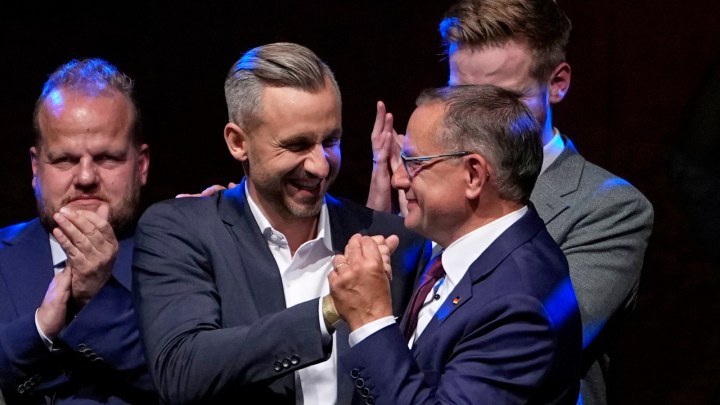
Top candidate Ulrich Siegmund shakes hands with party leader Tino Chrupalla at an election party of the "Alternative for Germany" (AfD) after the Saxony-Anhalt state elections in Magdeburg, eastern Germany.
Top candidate Ulrich Siegmund shakes hands with party leader Tino Chrupalla at an election party of the “Alternative for Germany” (AfD) after the Saxony-Anhalt state elections in Magdeburg, eastern Germany. (Source: AP Photo)

A strong AfD showing in Saxony-Anhalt raises the prospect of similar wins in other eastern states later this month and fuels concern in Berlin about the party’s momentum heading into future federal elections.

The Express Global Desk at indianexpress.com which delivers authoritative, verified, and context-driven coverage of key international developments shaping global politics, policy, and migration trends. The desk focuses on stories with direct relevance for Indian and global audiences, combining breaking news with in-depth explainers and analysis. A major focus area of the desk is US immigration and visa policy, including developments related to student visas, work permits, permanent residency pathways, executive actions, and court rulings. The Global Desk also closely tracks Canada’s immigration, visa, and study policies, covering changes to study permits, post-study work options, permanent residence programmes, and regulatory updates affecting migrants and international students. All reporting from the Global Desk adheres to The Indian Express’ editorial standards, relying on official data, government notifications, court documents, and on-record sources. The desk prioritises clarity, accuracy, and accountability, ensuring readers can navigate complex global systems with confidence. Core Team The Express Global Desk is led by a team of experienced journalists and editors with deep expertise in international affairs and migration policy: Aniruddha Dhar – Senior Assistant Editor with extensive experience in global affairs, international politics, and editorial leadership. Nischai Vats – Deputy Copy Editor specialising in US politics, US visa and immigration policy, and policy-driven international coverage. Mashkoora Khan – Sub-editor focusing on global developments, with a strong emphasis on Canada visa, immigration, and study-related policy coverage. ... Read More

Advertisement
Loading Recommendations...
Advertisement
Advertisement
Latest Comment
Post Comment
Read Comments