The US Department of State introduced a visa-bond programme that designated nationals from 50 countries as requiring financial guarantees up to $20,000 in order to receive tourist and business visas.
The mandate has encompassed South Asian nations like Bhutan, Nepal, and Bangladesh.
How the US visa bond programme works
Pursuant to the Immigration and Nationality Act (INA) Section 221(g)(3), under which the visa bond programme has been established, a consular officer may require posting of a visa bond before visa issuance.
The final rule, issued on August 3 by the State Department, states that any citizen or national travelling on a passport that falls under the list of 50 countries and is eligible for B1/ B2 visa is required to post a bond for $10,000, $15,000, or $20,000, adding that the amount is determined at the time of the visa interview.
Visa overstay rates determine eligibility
As per the INA section, the visa overstay rates are based on the B1/ B2 overstay rates from the Department of Homeland Security’s entry/ exit overstay report, the US State Department stated. Apart from the visa bond requirements, the applicants must also submit a Department of Homeland Security (DHS) Form I-352. Eligible citizens can pay the required amount through the Department of the Treasury’s online payment platform, Pay.gov.
Express InfoGenIE · US immigration
US visa bond: India not on list as 50 countries face up to $20,000
The US can require eligible B1/B2 applicants from 50 countries to post bonds of up to $20,000. India is not on the current list.
Based on US State Department rules and published reporting
US VISA BOND · UP TO
$10,000$15,000$20,000
Eligible B1/B2 visa applicants from 50 countries can be required to post a bond of $10,000, $15,000 or $20,000.
INDIANot on the currentvisa-bond list
The list
50 countries, four regions
Tap a region. The bond amount is set for each applicant at the visa interview, not by country.
30Africa
9Asia
6Americas & Caribbean
5Pacific
AlgeriaBond may apply
AngolaBond may apply
Antigua and BarbudaBond may apply
BangladeshBond may apply
BeninBond may apply
BhutanBond may apply
BotswanaBond may apply
BurundiBond may apply
Cabo VerdeBond may apply
CambodiaBond may apply
Central African RepublicBond may apply
Cote d'IvoireBond may apply
CubaBond may apply
DjiboutiBond may apply
DominicaBond may apply
EthiopiaBond may apply
FijiBond may apply
GabonBond may apply
GeorgiaBond may apply
GrenadaBond may apply
GuineaBond may apply
Guinea-BissauBond may apply
Kyrgyz RepublicBond may apply
LesothoBond may apply
MalawiBond may apply
MauritaniaBond may apply
MauritiusBond may apply
MongoliaBond may apply
MozambiqueBond may apply
NamibiaBond may apply
NepalBond may apply
NicaraguaBond may apply
NigeriaBond may apply
Papua New GuineaBond may apply
Sao Tome and PrincipeBond may apply
SenegalBond may apply
SeychellesBond may apply
TajikistanBond may apply
TanzaniaBond may apply
The GambiaBond may apply
TogoBond may apply
TongaBond may apply
TunisiaBond may apply
TurkmenistanBond may apply
TuvaluBond may apply
UgandaBond may apply
VanuatuBond may apply
VenezuelaBond may apply
ZambiaBond may apply
ZimbabweBond may apply
AlgeriaBond may apply
AngolaBond may apply
BeninBond may apply
BotswanaBond may apply
BurundiBond may apply
Cabo VerdeBond may apply
Central African RepublicBond may apply
Cote d'IvoireBond may apply
DjiboutiBond may apply
EthiopiaBond may apply
GabonBond may apply
The GambiaBond may apply
GuineaBond may apply
Guinea-BissauBond may apply
LesothoBond may apply
MalawiBond may apply
MauritaniaBond may apply
MauritiusBond may apply
MozambiqueBond may apply
NamibiaBond may apply
NigeriaBond may apply
Sao Tome and PrincipeBond may apply
SenegalBond may apply
SeychellesBond may apply
TanzaniaBond may apply
TogoBond may apply
TunisiaBond may apply
UgandaBond may apply
ZambiaBond may apply
ZimbabweBond may apply
BangladeshBond may apply
BhutanBond may apply
CambodiaBond may apply
GeorgiaBond may apply
Kyrgyz RepublicBond may apply
MongoliaBond may apply
NepalBond may apply
TajikistanBond may apply
TurkmenistanBond may apply
Antigua and BarbudaBond may apply
CubaBond may apply
DominicaBond may apply
GrenadaBond may apply
NicaraguaBond may apply
VenezuelaBond may apply
FijiBond may apply
Papua New GuineaBond may apply
TongaBond may apply
TuvaluBond may apply
VanuatuBond may apply
Source: US Department of State. Listed countries as published; India does not appear.
South Asia
India’s neighbours are on the list. India isn’t.
NEPALBOND MAY APPLY
BHUTANBOND MAY APPLY
BANGLADESHBOND MAY APPLY
INDIANOT ON THE LIST
Schematic, not to scale.
Step by step
How the visa bond works
1
Apply for a B1/B2 visa
↓
2
Attend the visa interview
↓
3
Consular officer decides if a bond is neededand sets it at $10,000, $15,000 or $20,000
↓
4
Pay only through Pay.govusing the officer’s instructions
↓
5
Travel to the US by commercial airentering and leaving through designated airports
Source: US Department of State
Don’t confuse the two
It’s a bond, not a visa fee
VISA FEE
Paid by every applicant
Not refunded
VISA BOND
Only if a consular officer requires it
Returned if the traveller complies with the visa’s conditions
Leave on time and follow the visa rules: the bond is cancelled and returned.
It can be forfeited if the traveller substantially violates the conditions, for example by overstaying or seeking asylum or certain other humanitarian protections.
Source: US Department of State, via American Bazaar
The reasoning
Why did the US introduce it?
Overstay rates and screening concerns
→
Country placed on the list
→
A bond may be required at interview
The State Department says bonds could improve compliance among affected travellers. Being on the list does not mean every applicant from that country has overstayed, or that every applicant will be asked for a bond.
Source: US Department of State; Federal Register
Who is affected
This does not apply to every US visa
B1 · BusinessCovered
B2 · Tourism / visitCovered
F-1 · StudentNot part of this programme
H-1B · WorkNot part of this programme
Immigrant visasNot part of this programme
The programme concerns B1/B2 applicants. Source: Federal Register
DON’T PAY A RANDOM WEBSITE
1Visa interview
2The officer tells you if a bond is needed
3Pay only via Pay.gov, using the officer’s instructions
The State Department warns applicants not to post a bond on any website other than the one US officials direct them to.
Reference
All 50 countries on the list
01Algeria
02Angola
03Antigua and Barbuda
04Bangladesh
05Benin
06Bhutan
07Botswana
08Burundi
09Cabo Verde
10Cambodia
11Central African Republic
12Cote d'Ivoire
13Cuba
14Djibouti
15Dominica
16Ethiopia
17Fiji
18Gabon
19Georgia
20Grenada
21Guinea
22Guinea-Bissau
23Kyrgyz Republic
24Lesotho
25Malawi
26Mauritania
27Mauritius
28Mongolia
29Mozambique
30Namibia
31Nepal
32Nicaragua
33Nigeria
34Papua New Guinea
35Sao Tome and Principe
36Senegal
37Seychelles
38Tajikistan
39Tanzania
40The Gambia
41Togo
42Tonga
43Tunisia
44Turkmenistan
45Tuvalu
46Uganda
47Vanuatu
48Venezuela
49Zambia
50Zimbabwe
Source: US Department of State list as compiled by Boston University ISSO, March 2026; American Bazaar, October 2026.
Sources: US Department of State; Federal Register; Boston University ISSO; American Bazaar
The department has alerted applicants not to post the bond on any website not specifically listed in the instructions received from the consular officer and that the administration would not be held responsible for any money paid outside of its systems.
India exempt from US visa-bond requirement
In a major respite for Indian nationals, holders of Indian passports have been exempted from the visa-bond obligation. The department’s website shows that Nepal and Bangladesh have faced the mandate since January 21, whereas Bhutan was added beginning January 1.
Nischai Vats is a Deputy Copy Editor at The Indian Express. His work primarily covers US politics and visa and immigration policy, alongside broader international developments, with an emphasis on accuracy, verification, and clear explainers.
Experience
Nischai joined The Indian Express in May 2024 where he works on writing, editing, and refining high-impact stories for digital platforms. His role involves ensuring editorial consistency, factual accuracy, and clarity in coverage of complex policy-driven subjects.
Earlier in his career, he worked across Indian digital newsrooms in reporting and editing roles, including stints at Inshorts, Newslaundry, Tiranga TV, and Catch News. His newsroom experience spans rapid digital publishing, ground reporting, and copy editing across national, civic, and policy beats.
Expertise
His core areas of focus include:
US politics and governance: Coverage of American political developments, executive actions, and policy shifts.
US visa and immigration policy: Reporting and editing stories on visa categories, regulatory changes, and immigration pathways affecting global audiences.
Editorial accuracy and copy editing: Ensuring clarity, language precision, and verification in fast-paced digital news environments.
Authoritativeness and trustworthiness
Nischai's journalism is grounded in verified sources, official documentation, and clear attribution, in line with The Indian Express’ editorial standards. His background across reporting and editing enables him to translate complex policy updates into reliable, reader-friendly coverage. ... Read More


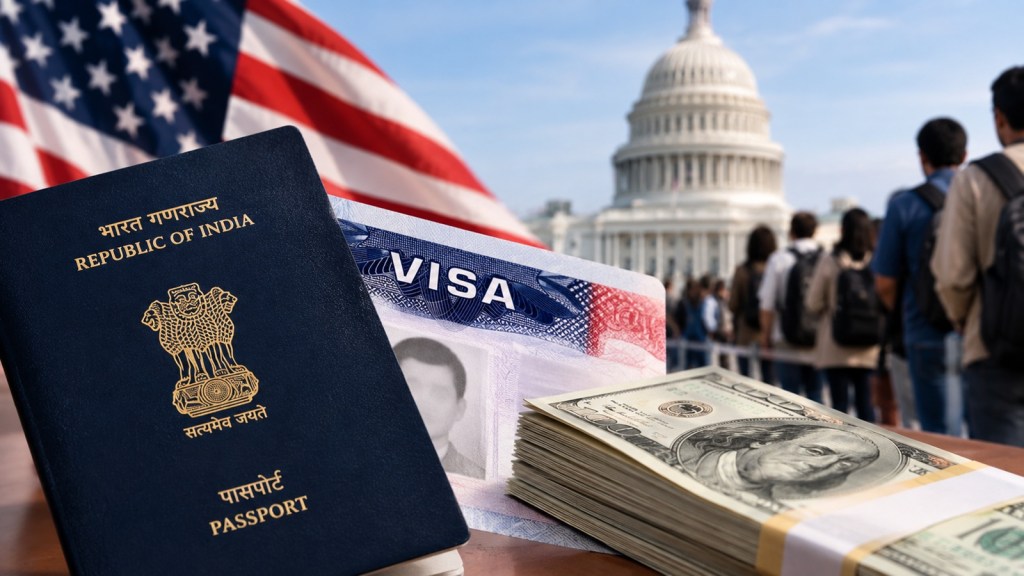 The mandate has encompassed South Asian nations like Bhutan, Nepal, and Bangladesh. (Photo: AI generated)
