


Journalism of Courage
 Share


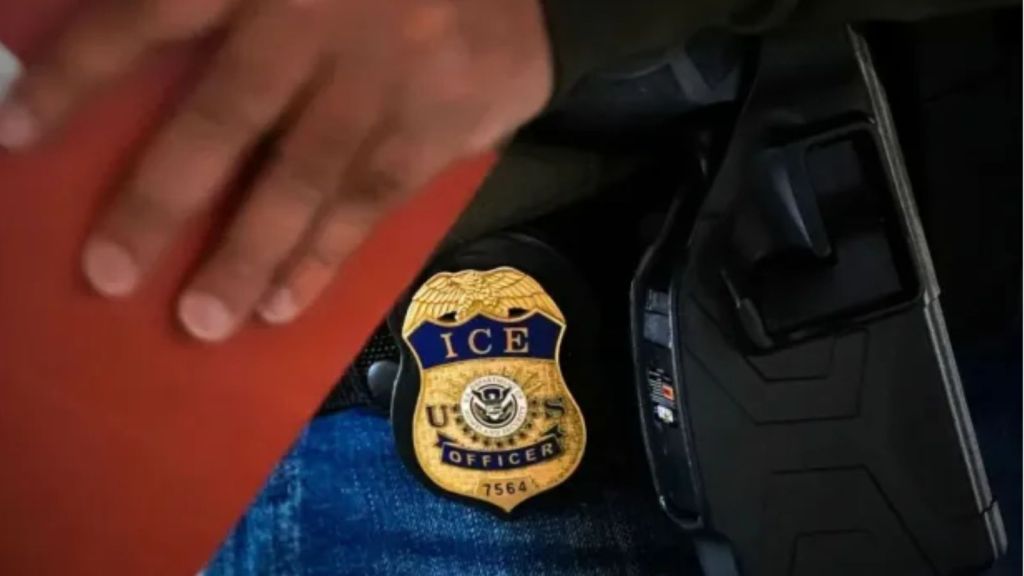 An ‘invisibilized’ ICE is arresting more people than ever. (File Photo)
The US government has changed how it carries out immigration arrests, but the number of arrests has not fallen. According to The Guardian, Immigration and Customs Enforcement (ICE) made nearly 50,000 arrests in July, the highest monthly figure on record. After two US citizens were killed during an ICE operation in Minneapolis, President Donald Trump said in February that the government could use “a softer touch”.
Markwayne Mullin, who took over as homeland security secretary in March, said he wanted the agency out of the news every day. Large street raids and armoured vehicles have mostly stopped. In their place are short, quiet arrests at petrol stations, shops, airports and traffic stops, often carried out with local police. Lawyers say the change makes ICE harder to see and people harder to protect.
Lawyers say the raids of last year have given way to fast, low-profile arrests. Gracie Willis, an attorney at the National Immigration Project, told The Guardian that some detentions take about 90 seconds and happen with “very soft feet”.
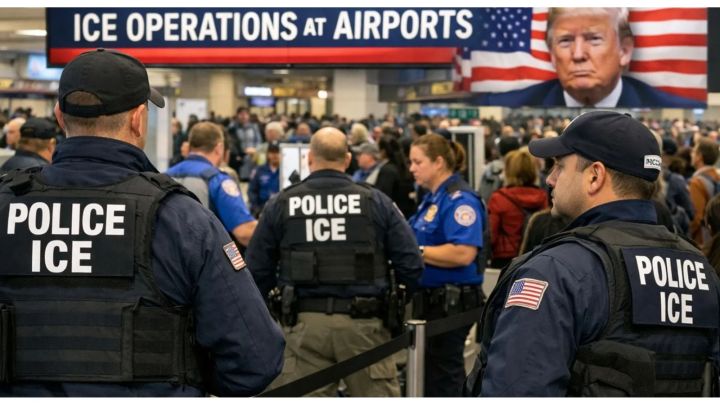
People have been held while taking out rubbish, putting a child on a school bus, buying petrol and travelling to work. Airports are now a focus. The Department of Homeland Security (DHS) said it wants people in the country illegally to fly only when leaving it. DHS declined to discuss its tactics.
Congress has given DHS $75bn. The agency has more than doubled its workforce this year to over 22,000 officers and staff. As of 15 September, ICE had signed more than 2,500 “287(g)” agreements, which let local police and sheriffs act on its behalf.
Willis calls this the “invisibilising” of immigration enforcement, because it is hard to tell whether an officer is doing routine policing or immigration work. On 29 August in Memphis, a police search for drugs and gambling at a bar ended with 120 people detained over their immigration status.
Of those held since Trump took office last year, 46% had a prior criminal conviction.
Lawyers say local officers often misread immigration rules. Kate Lincoln-Goldfinch, an attorney in Austin, said her client Brian José Morales García, 25, was deported to Mexico last month after telling officers he was a US citizen born in Denver. He was allowed back after she filed documents proving his citizenship.
The government has also widened the groups it can detain:

The government is expected to revoke the business and tourist visas of up to 200,000 foreigners in the coming weeks. A new rule lets officials refuse permanent residence if an applicant or certain relatives use public benefits such as Medicaid, food stamps or student aid.
Lawyers advise anyone with legal status to carry proof of it, since people have been stopped without documents on them.


 Share
