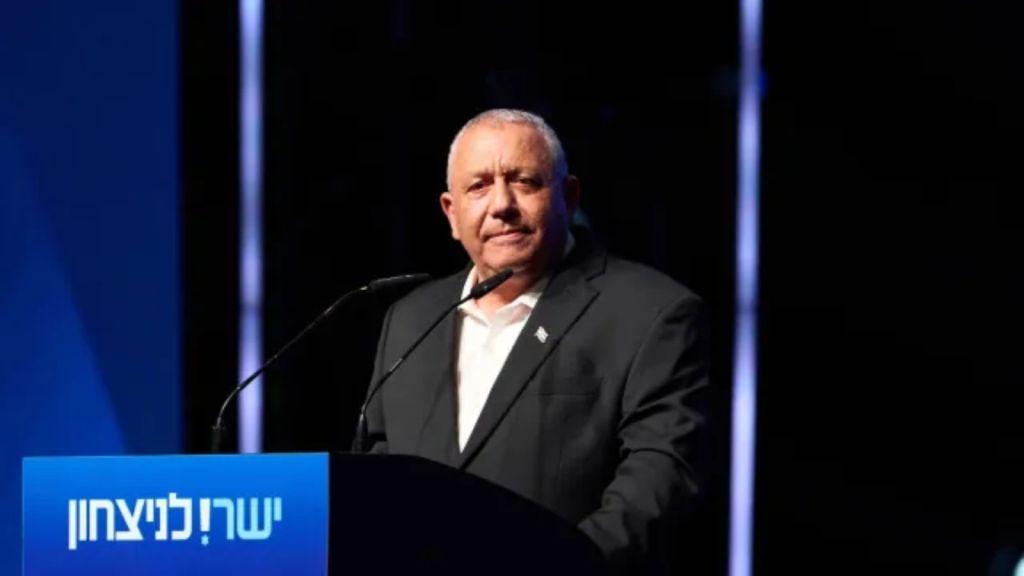
Yashar chairman Gadi Eisenkot has reiterated four conditions for parties seeking to join the coalition government he is trying to form, including mandatory national service for all Israelis. His position comes after Yisrael Beytenu leader Avigdor Liberman signalled openness to forming a government with ultra-Orthodox parties.

- Recognition of Israel as a Jewish and democratic state.
- Acceptance of the principles enshrined in Israel’s Declaration of Independence.
- Mandatory military, national or civilian service for all citizens to strengthen and expand the ranks of the Israel Defense Forces (IDF)
- Recognition of Hamas as a terrorist organisation and a commitment to dismantling its military and governing capabilities.
Yisrael Beytenu leader and Israeli opposition politician Avigdor Liberman has signalled a major shift in his long-standing position on military conscription for ultra-Orthodox Jewish men, saying he is willing to compromise on the issue to help form a government without Prime Minister Benjamin Netanyahu.
Story continues below this ad
Eisenkot is leading incumbent Prime Minister Benjamin Netanyahu in the race to form Israel’s next government, securing the backing of 67 Knesset members against Netanyahu’s 46.
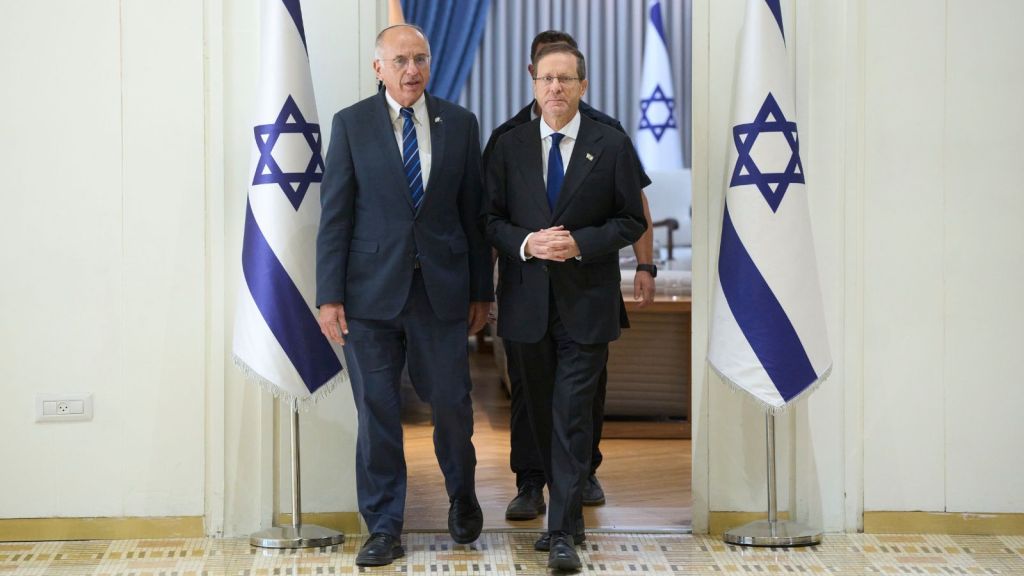
Eisenkot received endorsements from a majority of lawmakers following consultations between political parties and President Isaac Herzog.
The October 27 parliamentary elections ended without a clear winner, with neither Netanyahu nor his rival, former military chief Eisenkot, securing a majority. Following the results, President Herzog began consultations with party leaders to decide whom to invite to form the next government. He said he would announce his decision on Sunday.
Herzog also said he would hold “personal talks with some of the party leaders” over the Israeli weekend, which runs from Friday to Saturday, according to The Guardian.
Netanyahu’s coalition lost its majority in the election, falling from 68 to 53 seats in the 120-member Knesset. The Change bloc of Zionist parties, led by Eisenkot, secured 48 seats, leaving parties representing Israeli Palestinians in a decisive position with a combined 19 seats.
The Joint List won 11 seats, while the more conservative Islamist party Ra’am secured eight.
Both Arab-majority parties reportedly backed Eisenkot, according to Haaretz. United Torah Judaism (UTJ), which has often aligned itself with Netanyahu, did not endorse either candidate.
Netanyahu will remain caretaker prime minister until a new government secures a confidence vote in the Knesset. If neither bloc manages to form a coalition, Israel could be headed for another election.
Follow the latest updates on the Israel election here. This live blog tracks the key developments as voting day unfolds. The headline, introduction, and Top Developments section will be refreshed throughout the day to reflect the most important news from the vote.