Journalism of Courage



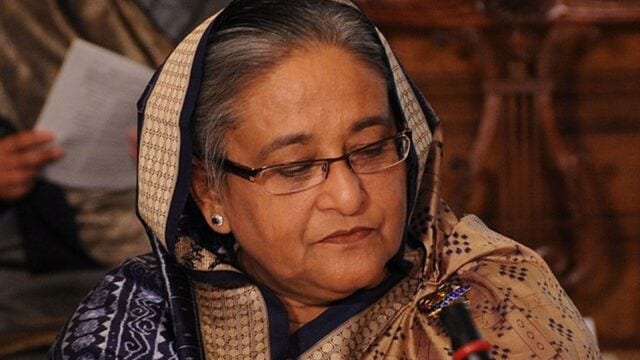 Hasina, 78, who has been living in India since her government was toppled on August 5 last year, was sentenced to death in absentia by the tribunal. (Wikimedia Commons Photo)
The Bangladesh Rifles (BDR) mutiny was carried out with the intent of weakening the Bangladesh Army and preserving political power, the National Independent Inquiry Commission said Sunday, according to a Prothom Alo report.
The commission, formed by the interim government, said its investigation found the involvement of several leaders of the ousted Awami League government — including former prime minister Sheikh Hasina, and also “cited indications of an Indian link to the events”, as per Prothom Alo report.
The findings were released at a press conference on the seventh floor of the new BRiCM (Bangladesh Reference Institute for Chemical Measurements) building at the Science Laboratory area in Dhaka Sunday evening.
Commission chair Major General (retd.) ALM Fazlur Rahman briefed the media.
Earlier in the day, the panel submitted its report to Chief Adviser Professor Muhammad Yunus at the state guesthouse Jamuna.
Rahman named several Awami League leaders alleged to have been connected to the mutiny. They include Sheikh Hasina; former Dhaka South City Corporation mayor and fugitive Sheikh Fazle Noor Taposh; and senior leaders Sheikh Fazlul Karim Selim, Mirza Azam, Jahangir Kabir Nanak and Sahara Khatun.
He also listed former military officers who were allegedly involved, including Hasina’s former security adviser Major General (retd.) Tarique Ahmed Siddique, former army chief General Moeen U Ahmed, and former DGFI director general General Akbar (Molla Fazle Akbar).
On February 25–26, 2009, 57 army officers were killed in an attack by mutinous BDR soldiers at the force’s Pilkhana headquarters in Dhaka — one of the deadliest massacres in Bangladesh’s history, just two months after the Awami League came to power.

 2 min read