


Stay updated with the latest - Click here to follow us on Instagram
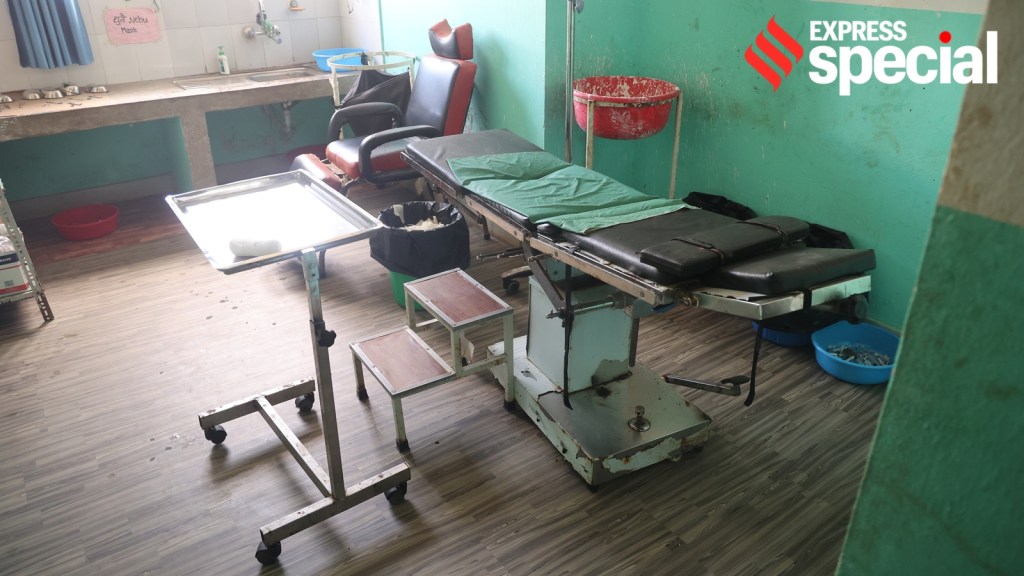 The Jibjibe Rural Hospital in Nepal’s Rasuwa district was among the healthcare facilities that received critical medical equipment bought from donations to The Indian Express Citizens’ Relief Fund in the aftermath of the April 2015 earthquake. (Express photo by Tashi Tobgyal)
In the corridors of the light yellow-coloured building sit dozens of local residents, some waiting for their monthly vaccine, one waiting to get a knee injury looked at, another to get the dentist’s help with an aching tooth.
Welcome to Jibjibe Rural Hospital, situated on a hilltop in Rasuwa, a district in Nepal on the border with China that was among the hardest hit in the devastating flash floods that swept through the region late last month.
This neighbourhood primary medical centre generally acts as the first pitstop for nearby residents with everyday ailments, vaccinations, routine checkups and minor injuries. But over the past week-and-a-half, it has become something more important — a beacon of hope for those injured in the floods.
Just as it was 11 years ago in the aftermath of the April 2015 earthquake, when readers of The Indian Express stepped up to offer a helping hand, responding to this newspaper’s call — from schoolchildren dipping into their pocket money to companies mobilising a day’s wages to retired Army personnel sharing their pension.
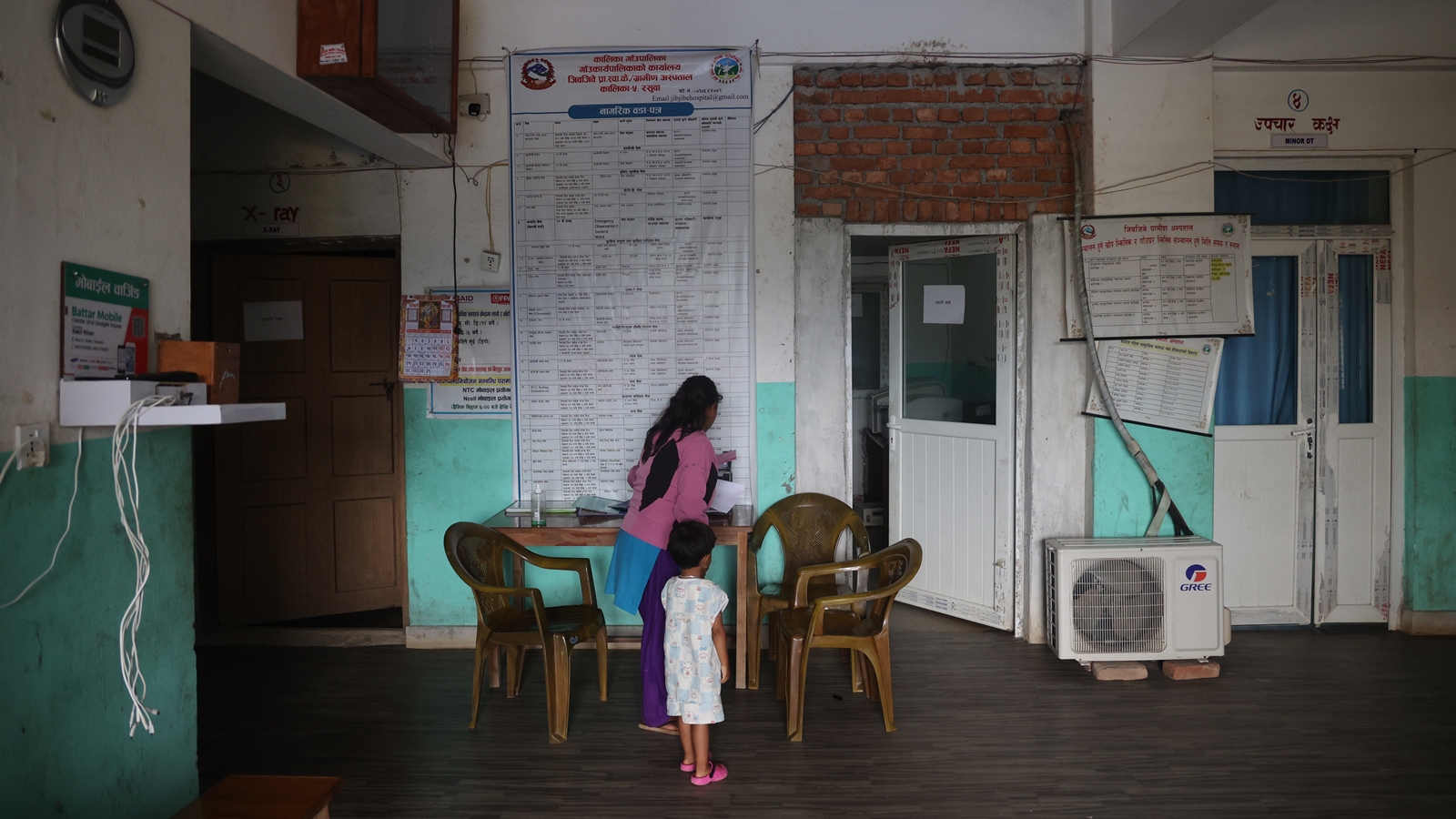 The Jibjibe Rural Hospital in Nepal’s Rasuwa district. (Express photo by Tashi Tobgyal)
Their donations, constituting The Indian Express Citizens’ Relief Fund, went towards the purchase of critical medical equipment worth Nepal Rs 1.2 crore for hospitals in the districts of Sindhupalchok, Rasuwa and Nuwakot. The equipment ranged from X-ray machines to infant radiant warmers, operation theatre tables to surgical equipment.
“On the day of the floods last month, we received 10 patients who were injured due to the flood. They were suffering from bone fractures, head injuries and collection of blood in lung cavities. We treated five of them here, while the remaining were referred to the district capital in Dhunche, from where the most serious ones were evacuated on a helicopter to Kathmandu,” said Dr Nirajan Bhatta, Medical Superintendent, Jibjibe Rural Hospital.
While just 80-100 people used to visit the hospital daily before the floods struck, it now receives 100-130 patients every day.
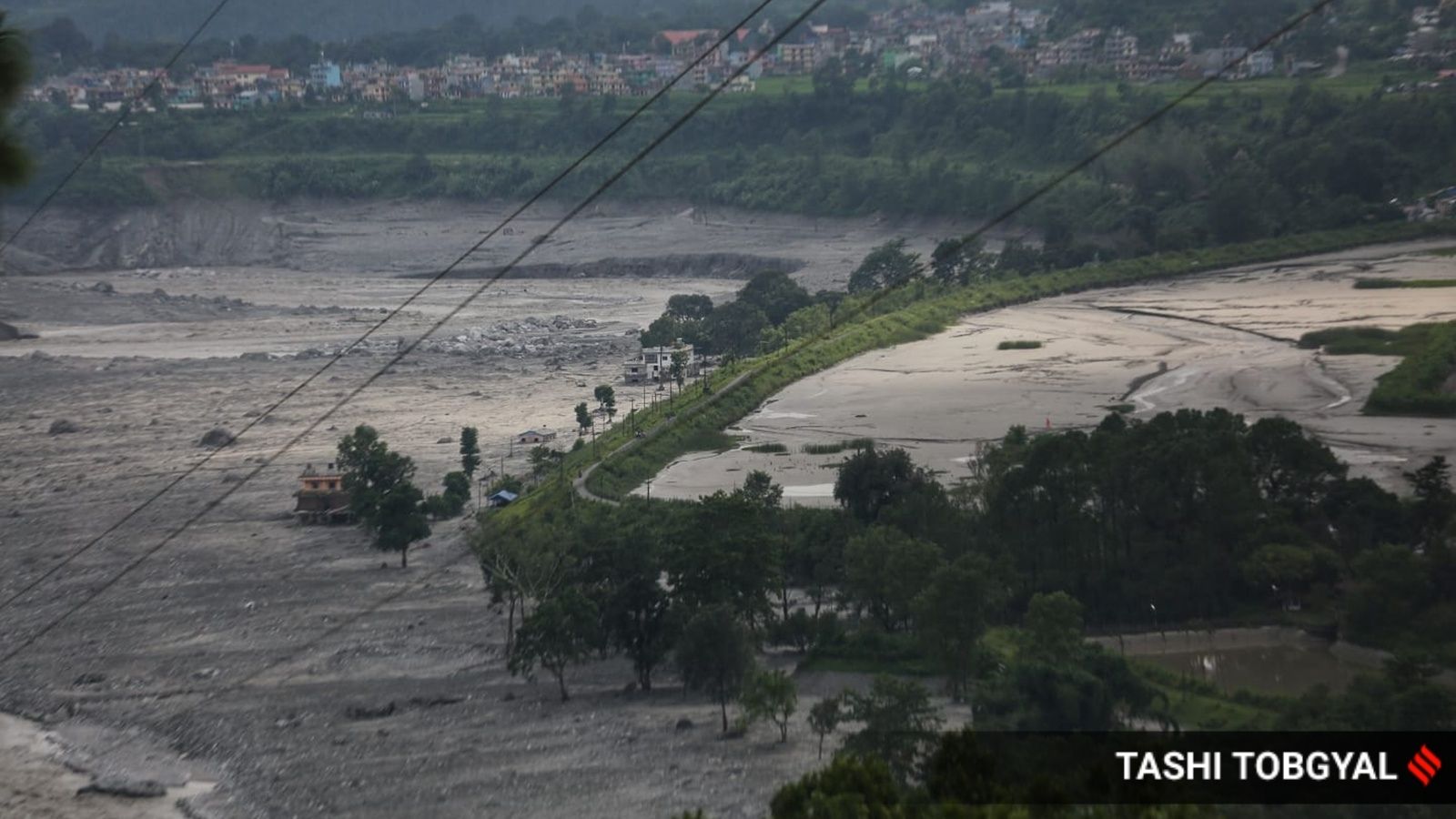 The Trishuli Hydro Power station lies in a destructed state and invisible in the photo ( photo shows the spot of the water way and the headgate) after the flash floods. (Express Photo by Tashi Tobgyal)
Dr Bhatta says most of the incoming people now need psychosocial treatment for post-traumatic stress disorder. “Just yesterday, we got a patient who was complaining of severe pain and discomfort. However, when I checked her vitals, everything was normal. We found out that the patient’s father had died in the floods and she had eaten very less in the days after it. This is a clear case of acute stress,” he said.
The primary medical health centre currently has a minor OT, an X-ray machine, three emergency beds, two observation beds, an OPD room, a dental OPD, a delivery room and a lab. It is transitioning to a bigger hospital with 15 operating beds. “The building is almost complete and will be handed over by the contractor in a week,” said Harikrishan Debkota, chairman of the management committee of the hospital.
“The donations by the Express helped the centre a lot. With surgery equipment and OT tables here in Jibjibe, people did not have to go to Dhunche or Kathmandu (over 90 km away) for every minor procedure,” Debkota said.
Stay updated with the latest - Click here to follow us on Instagram