





As AI spending continues to swell, tech CEOs and investors are banking on artificial intelligence to spur a productivity boom and deliver unimaginable corporate profits. But that is proving to be a harder sell, at least for those outside the tech industry.
Torsten Slock, chief economist at private equity firm Apollo Global Management, has said that AI has not delivered any financial payoff to US companies other than tech firms.
Slock outlined his views in a recently published note, where he subtracts the ‘Magnificent Seven’ – Alphabet, Amazon, Apple, Meta, Microsoft, Nvidia, and Tesla – from the S&P 500. For the S&P 493, profit margins and revenue per worker appear to be flat, with no evidence that AI is improving productivity, Slock argued.
“Despite massive investments and widespread hype around artificial intelligence, the technology has delivered zero financial payoff to corporate America outside of tech,” he said.
“AI may be a great calculator, but in business, intelligence is mostly judgment,” he further wrote, adding, “AI does not understand accountability, trust, culture, unwritten rules, ethical trade-offs or fairness, all of which shape reputational risk and ultimately drive revenue growth and profit margins.”
Slock’s remarks echo several studies which have found that AI adoption among enterprises is yet to deliver significant productivity gains.
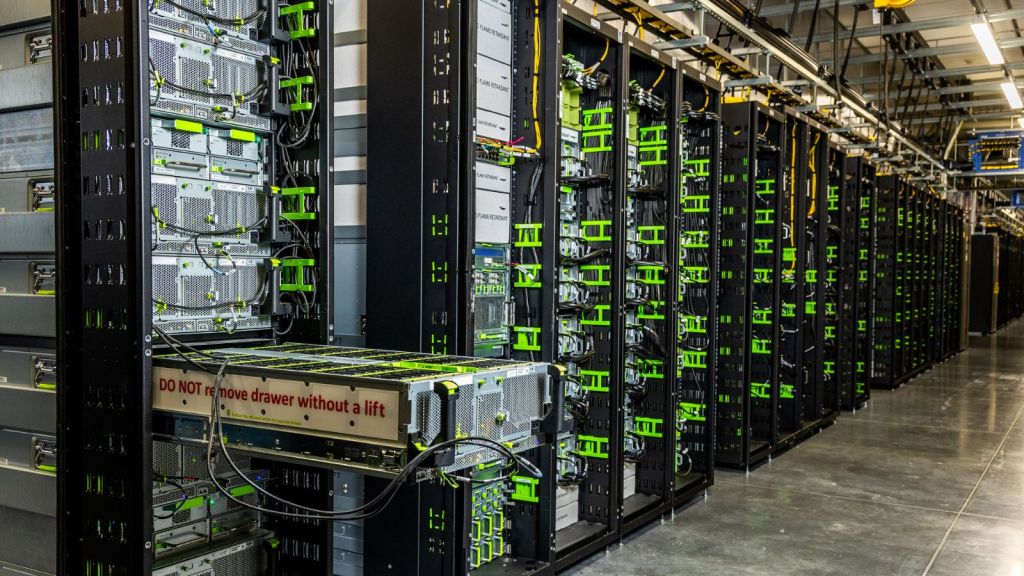
This year, Big Tech plans to spend $650 billion on the AI build-out—a sum that far exceeds the GDP of most countries. If AI revenue fails to justify the spending, it could put more than $3.5 trillion of AI infrastructure spending at risk of impairment by 2030, according to market research firm Gartner.
Story continues below this ad
While there is widespread optimism that AI will be a significant market driver in the future, questions continue to be raised about whether and when the massive spending will translate into profits.
Earlier this month, Nvidia-backed CoreWeave, a loss-making cloud company with about $50 billion in debt, became a focus of investor concerns that the data-centre boom is being fueled by credit, straining newer players and pressuring cash flows even at tech giants such as Alphabet and Meta.
On rising token consumption by VC-backed companies, Slock said that mainstream corporate America does not need the latest model “and is unwilling to pay for it.”
“As long as agentic AI and token spending are confined to a small part of the economy, the macroeconomic effects of AI will be very limited,” he wrote. “AI doesn’t understand accountability, ethical trade-offs and trust, “all of which shape reputational risk and ultimately drive revenue growth and profit margins,” Slok added.