


Journalism of Courage
For decades, creativity was tightly bound to physical places – studios, agencies, production houses and cultural institutions that controlled the tools, expertise and audiences. All the opportunities were often concentrated in the big centres of creativity.
With more than 5.5 billion people now connected to the internet globally, the ability to participate in the digital creative economy has expanded significantly. Digital platforms, connected devices, and artificial intelligence are reshaping how ideas are created, developed, and shared.
Rise of Independent & Offbeat Creators
AI is becoming a creative partner, helping people turn ideas into reality faster. It makes learning, exploring, and solving creative challenges more accessible, empowering creators without formal training or specialised expertise. Across writing, design, video, music, and research, AI is expanding creative possibilities rather than replacing creativity.
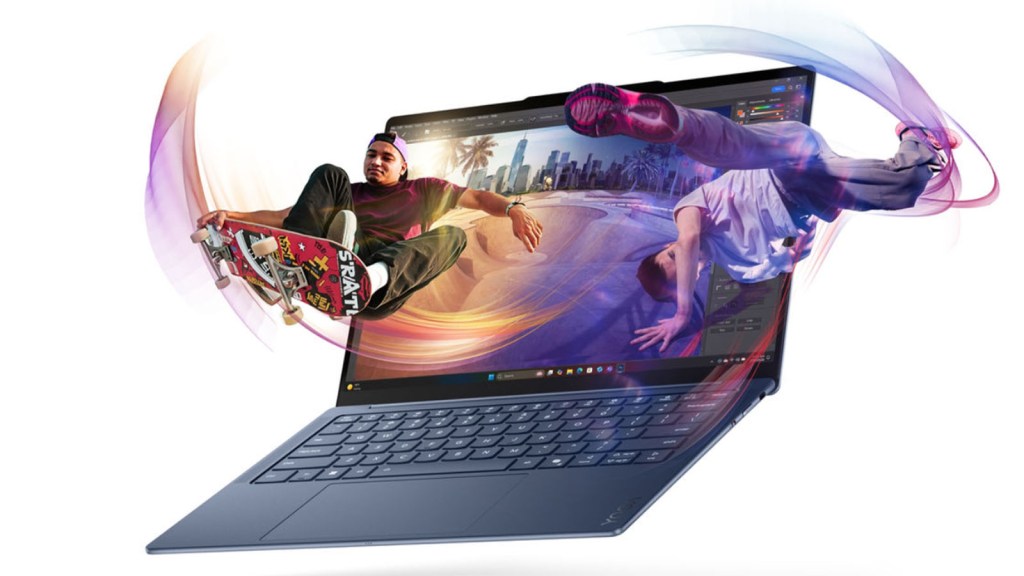
This shift is further enabled by on-device AI. The Lenovo Yoga Slim 7x combines Snapdragon X2 Plus with a Qualcomm Hexagon NPU delivering up to 80 TOPS of AI performance, supporting on-device LLMs, Copilot+ features, and AI-powered tools in apps such as DaVinci Resolve, Premiere Pro, and Camo Studio.
Technology as the New Creative Studio
The creative space today doesn’t mean a stand-alone studio. For podcaster Shashank Jaiswal, his laptop is his studio, with four built-in speakers and four studio microphones helping him record, review and manage content wherever he is.
The Snapdragon X2 Plus represents a new era of computing built around this kind of mobility – unlike traditional x86 laptops that can experience reduced performance when unplugged, generate more heat, rely on active fan cooling and offer shorter battery life.
Snapdragon-powered PCs deliver sustained, power-efficient performance. With the Oryon CPU and 80 TOPS of on-device AI, the Lenovo Yoga Slim 7x combines performance, long battery life and intelligent capabilities in one portable device, turning anywhere into a creative studio.
Beyond Big Cities
For years, the geography of a place really mattered when it came to finding opportunities to be creative. Major cities were where you found the entertainment and advertising companies.
But today, it is no longer only for big cities. AI and access to the internet are helping creators from everywhere and different groups to tell their stories to more people. By making it easier to learn, make things and share them, technology is helping new people get a chance.
Today’s creators aren’t just creating content; they are creating community. Digital platforms allow creators and fans to talk directly and foster connections based on common interests and dialogue.
These communities become spaces where people work together, share advice and learn from each other. Audience in this space is part of the process. One of the best things a creator can have today is a strong, engaged community. It builds trust and gets the word out.
New Measure of Success
Creative success is not about getting awards anymore but about building a community that really likes what you do. Conversations that mean something to people and things that people will really like. Being real is important now.
Titiksha also shares her perspective on what truly matters to creators, “A fancy award is not as important as having audiences that like what you do and trust you. Creative success today is making things that you think are important and doing what you want. This is what matters to creators.”
The Future of Creativity
The next big creative idea can come from a town, a college dorm, a cafe or a home workspace. As technology keeps improving, more people will be able to try things, learn, and share their thoughts on digital platforms, with the help of AI.
The gates that decided who could create are beginning to open, and a more inclusive creative landscape is emerging. The creative economy of the future will not be about where people create, but about what they create and the impact that has.
As a new creative economy is dismantling old borders of place and access, Lenovo Yoga Slim 7x AI PCs, with powerful processors like the Snapdragon X2 Plus, digital tools and a platform to express their voice and find their audience (like social media, etc.), empower creators everywhere to explore ideas and bring them to life.
The studio or the creative capital is no longer a must for creativity. It can start anywhere that imagination and opportunity come together.
Source:
Digital 2025: Global Overview Report (2025, DataReportal)
The Creator Economy Could Approach Half-a-Trillion Dollars by 2027 (2023, Goldman Sachs Insights)
Disclaimer
This content is sponsored and does not reflect the views or opinions of IE Online Media Services Pvt Ltd. No journalist is involved in creating sponsored material and it does not imply any endorsement whatsoever by the editorial team. IE Online Media Services takes no responsibility for the content that appears in sponsored articles and the consequences thereof, directly, indirectly or in any manner. Viewer discretion is advised.