3 min readNew DelhiSep 27, 2023 02:02 AM IST
First published on: Sep 1, 2023 at 10:05 PM IST
Sweeping changes to the Constitution, new pieces of legislation, consensus among states and entering uncharted territory for post-poll complications: these constitute the key legal challenges ahead for the government as it works on implementing the idea of “one nation, one election.”
The first challenge in altering the tenure of the Lok Sabha or state Assembly to allow simultaneous polls is the constitutionally fixed limit of a five-year term. Articles 83(2) and 172(1) of the Constitution fixes a term of “five years” and “no longer” for the Lok Sabha and Assemblies respectively. There are few exceptions to the provision apart from the House dissolving prematurely when an elected government falls.

Sections 14 and 15 of the Representation of People’s Act, 1951 that governs the process of conducting elections also requires the Election Commission to call for elections in accordance to the five-year limit placed by the Constitution.
While the term of a House can be reduced when it is dissolved, which could happen if the government resigns, an extension would require a substantive addition to the Constitution. An amendment to these provisions would require a two-thirds majority in both Houses of Parliament. While a ratification by half of the states may not required for this possible amendment, the consensus of states will be key if early dissolution of assembly is considered.
Article 356 of the Constitution prescribes the imposition of President’s rule in a state is a rare exception for delaying an election in a state. However, the President can exercise this power on the recommendation of the Governor only when there is a “breakdown of constitutional machinery” in the state. This may also need an amendment.
Despite these changes in law, there will be critical issues after elections. The possibility of a hung assembly, when a single largest party fails to emerge in the elections also leads to early polls. For example, Delhi had early polls in 2015 when the Aam Aadmi Party government collapsed 49 days its term after the Congress party withdrew its support in 2014.
Defections under the Tenth Schedule are also key factor in elections between scheduled fixed term. When an elected member changes his party, she can contest fresh polls and enter the House again. In a draft report in 2018, the Law Commission proposed midterm polls only for the “reminder of the term” to keep with the five-year schedule of simultaneous polls.
Mid-term polls are also a possibility when Chief Ministers or the Prime Minister faces a vote of no-confidence in the House. The Lok Sabha has seen at least seven instances of mid-term polls. The 12th Lok Sabha was dissolved in 1999 only 13 months after the government was formed when then Prime Minister Atal Bihari Vajpayee failed the vote of trust in the Lok Sabha.

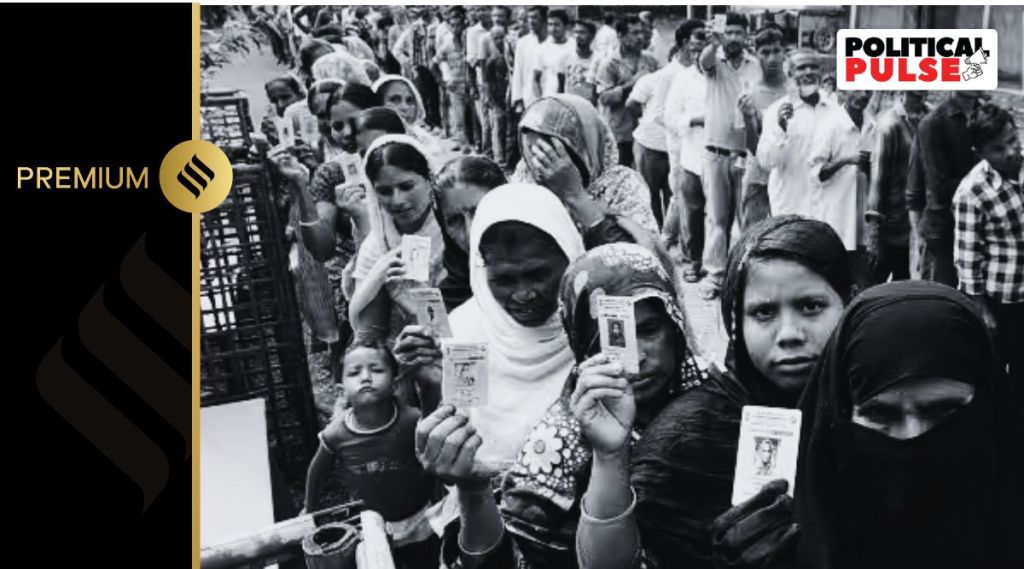 Sections 14 and 15 of the Representation of People’s Act, 1951 that governs the process of conducting elections also requires the Election Commission to call for elections in accordance to the five-year limit placed by the Constitution. (Express photo)


 Share


