


Journalism of Courage
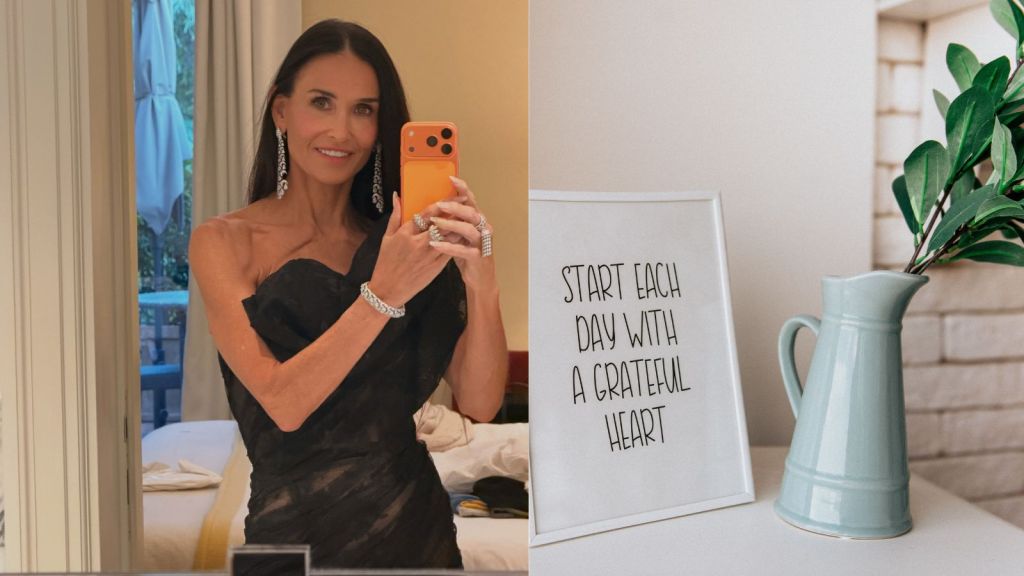 Demi Moore’s gratitude ritual includes sharing three things she is grateful for, three challenges or fears and one attribute or affirmation. (Image Source: Instagram/@demimoore and Pexels)
Demi Moore, who will turn 64 on November 11, has opened up on her approach to ageing. In a chat with Harper’s Bazaar Arabia, she shared that she values personal growth, relationships, and experiences more than trying to hold on to youth. It was also interesting to note that, alongside all that, The Substance actor places a strong focus on gratitude.
Demi spoke about a small group of women she is part of that practices a daily gratitude ritual, where each person gets an opportunity to speak openly about what is happening in their life and share what they are grateful for.
“I have a group where we share a gratitude list every day, where we put three things we’re grateful for, three challenges or fears, and one attribute or affirmation,” she said.
DISCLAIMER: This article is based on information from the public domain and/or the experts we spoke to.
The practice also lets the women speak about their concerns while taking time to reflect on what they are thankful for. Demi said, “Being seen, sharing yourself to be known and allowing others to do the same.”
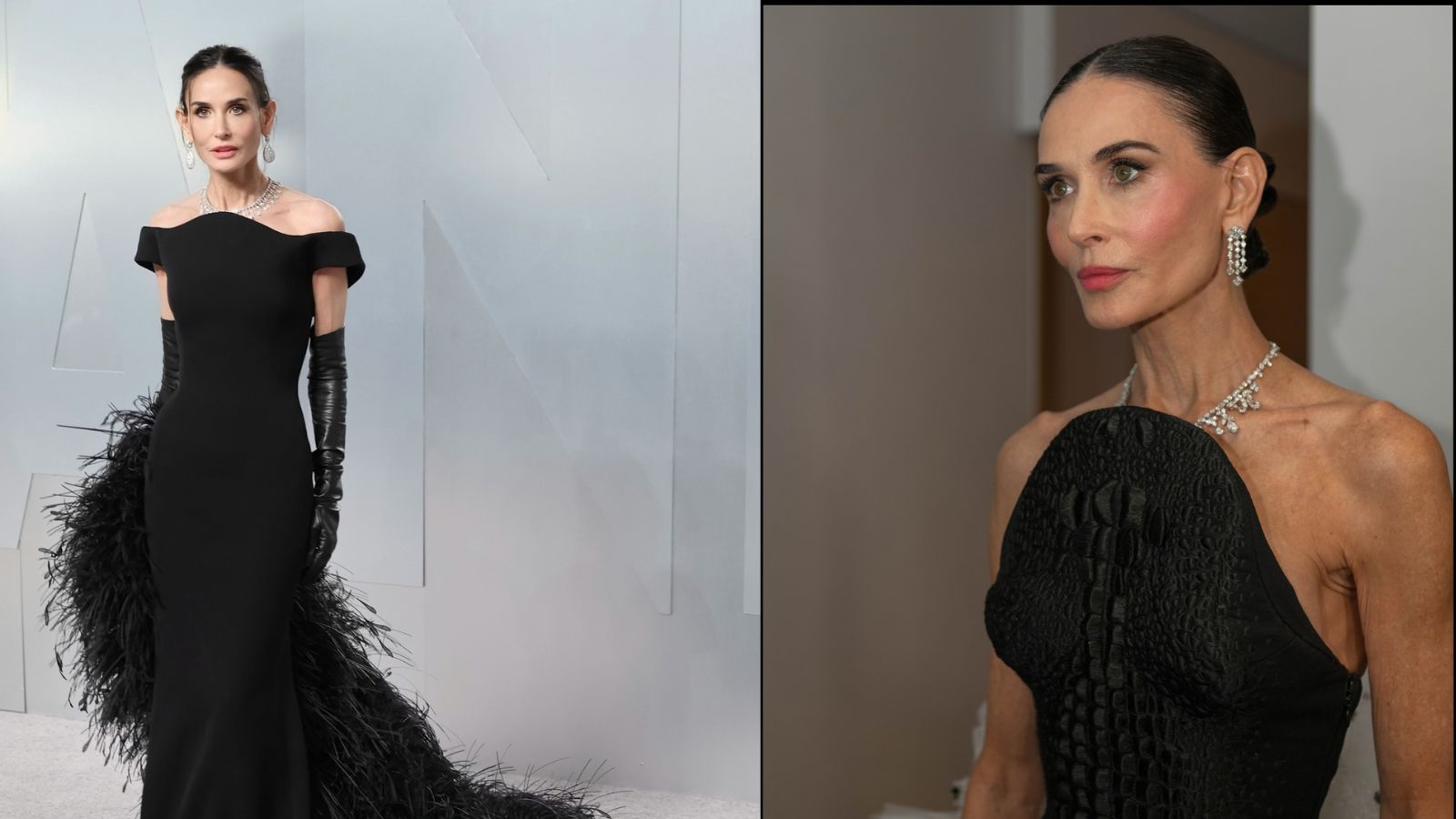 Demi Moore says gratitude is a daily practice that helps anchor her approach to ageing and wellbeing. (Image Source: Instagram/demimoore)
Dr Abhinit Kumar, Senior Consultant, Centre of Psychiatry, ShardaCare-HealthCity says, “Gratitude practices may support emotional wellbeing by helping people consciously recognise positive experiences, maintain perspective during difficult periods, and strengthen social connections. When practised regularly, they may also help reduce the tendency to dwell on stressors and encourage more adaptive emotional coping.”
However, gratitude should not be viewed as a standalone anti-ageing intervention.
“Healthy ageing depends on multiple factors, including regular physical activity, adequate sleep, a balanced diet, preventive healthcare, meaningful social relationships, and management of chronic health conditions,” he adds.
Talking about Moore’s ritual, he says the key is that the practice combines gratitude with acknowledging challenges rather than ignoring negative emotions.
“This can make the practice more realistic and sustainable,” he says, adding, “Gratitude may support the psychological and social dimensions of ageing, but current evidence does not establish that it directly slows biological ageing or extends lifespan.”
For someone who has spent decades in the glamour industry, Moore’s approach offers a different perspective on ageing, focusing less on trying to stop time and more on how a person experiences life.
DISCLAIMER: This article is based on information from the public domain and/or the experts we spoke to.