Every year, August is marked as Psoriasis Awareness Month. Psoriasis is a chronic autoimmune skin condition that can affect people of all ages, including children.
According to Dr Swapna Priya, Consultant Dermatologist, CARE Hospitals Hitech City Hyderabad, the exact cause of psoriasis is not fully understood, but genetics and immune system dysfunction play significant roles.

“Some children might be more susceptible due to a family history of psoriasis or other autoimmune disorders,” she said, noting that environmental factors, stress, infections, and certain medications can trigger or exacerbate psoriasis in children.
Symptoms of psoriasis in children
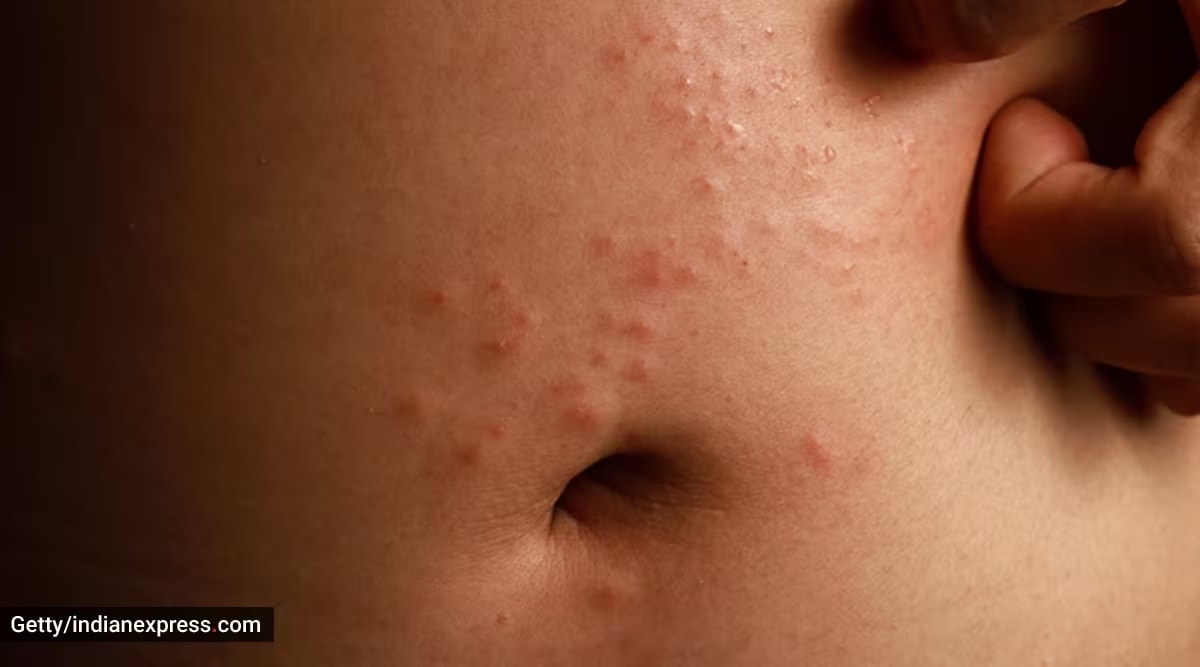
According to Dr Priya, red, raised, and thickened patches of skin with silvery scales, itchy and painful skin, dry and cracked skin that can bleed are some common symptoms of psoriasis.
Less common symptoms that might be missed include nail changes, such as pitting, discolouration, and separation from the nail bed, joint pain and swelling (psoriatic arthritis), which can affect a subset of children with psoriasis’ scalp involvement, leading to flaking and scaling (scalp psoriasis).
Managing psoriasis in children requires a comprehensive approach involving medical guidance and lifestyle adjustments. (Source: Pixabay)
What are the risk factors of children who may contract psoriasis?
Several factors can increase a child’s risk of developing psoriasis are as follows:
- Genetics: Family history of psoriasis significantly raises the risk.
- Immune system: An overactive immune system triggers inflammation, leading to psoriasis symptoms.
- Stress: Emotional stress can exacerbate symptoms.
- Infections: Certain infections, especially streptococcal infections (such as strep throat), might trigger psoriasis or make existing symptoms worse.
- Obesity: Excess weight can increase inflammation, worsening psoriasis symptoms.
Tips to manage psoriasis in children
Managing psoriasis in children requires a comprehensive approach involving medical guidance and lifestyle adjustments, as per Dr Priya. These include:
- Consult a paediatric dermatologist: Seek expert medical advice for accurate diagnosis and treatment recommendations tailored to your child’s condition.
- Moisturise: Apply moisturisers to keep the skin hydrated and reduce dryness.
- Avoid triggers: Identify and minimise triggers like stress, infections, and certain medications.
- Medications: Follow the dermatologist’s prescribed treatments, which might include topical creams, phototherapy, or oral medications.
- Healthy lifestyle: Encourage a balanced diet, regular exercise, stress reduction, and good sleep hygiene to support overall well-being.
Remember, psoriasis is a chronic condition, and a healthcare professional’s guidance is essential for managing symptoms effectively in children.
📣 For more lifestyle news, follow us on Instagram | Twitter | Facebook and don’t miss out on the latest updates!

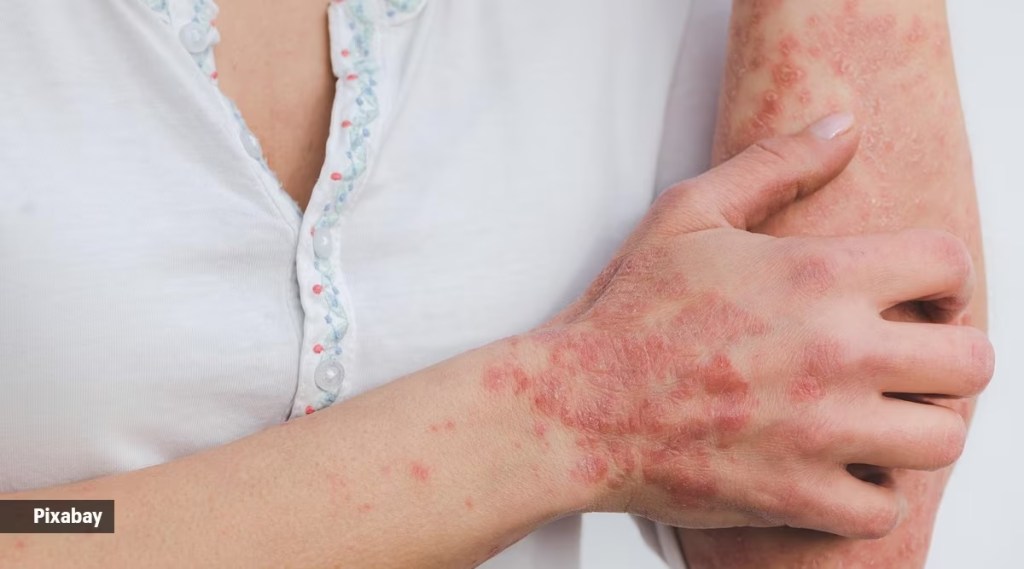

 Managing psoriasis in children requires a comprehensive approach involving medical guidance and lifestyle adjustments. (Source: Pixabay)

 Share


