4 min readNew DelhiNov 17, 2023 02:15 PM IST
First published on: Nov 17, 2023 at 02:15 PM IST
Written by Dr Paula Goel
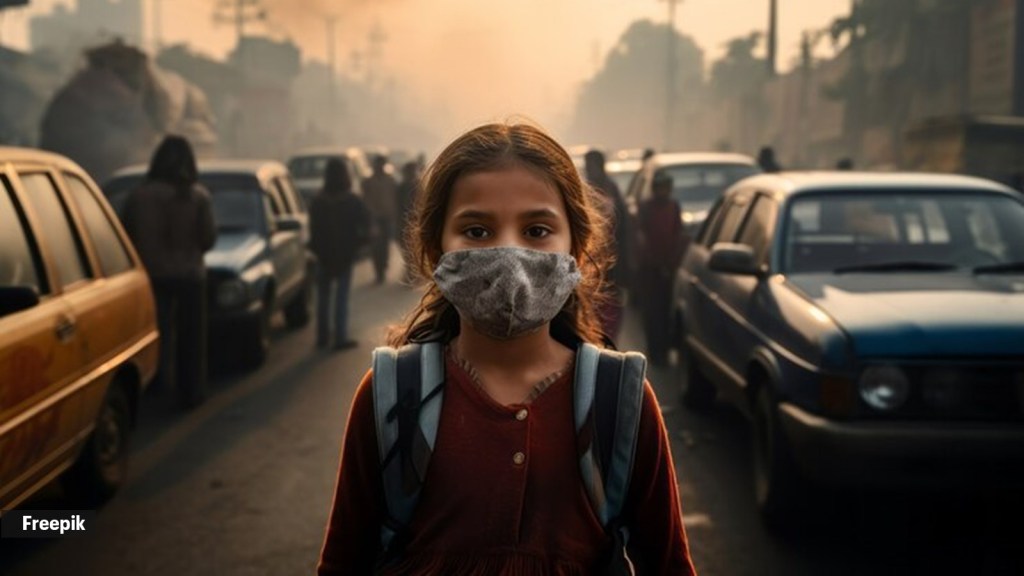
With the increasing level of smog and air pollution in cities, most parents are concerned about their child’s health. Smog is a harmful mixture of smoke and fog which can have a serious impact on a child’s respiratory health and overall well-being.

Smog is primarily composed of fine particulate matter (PM2.5), ground-level ozone (O3), and various pollutants released from vehicles, industrial processes, and other sources. Long-term exposure to smog can cause a number of health problems such as:
Respiratory Problems: Children are particularly vulnerable to smog’s effects because their lungs are still developing. Exposure to smog can exacerbate asthma, increase the risk of respiratory infections, and lead to decreased lung function over time.
Cardiovascular Issues: Smog can also harm the cardiovascular system & has been linked to heart attacks, stroke, and high blood pressure.
Developmental Delays: Long-term exposure to air pollution, including smog, has been associated with developmental delays and cognitive impairments in children.
Allergies: Smog can worsen allergy symptoms, making conditions like hay fever more challenging to manage.
Here are a few practical tips for parents:
Monitoring Air Quality levels: Many weather apps and websites provide real-time air quality information. On days when pollution levels are high, consider limiting outdoor activities.
Stay Indoors on Poor Air Quality Days: When air quality is poor, especially during smoggy days, it’s best to keep your child indoors as much as possible. Create a safe and clean indoor environment to minimise exposure to outdoor pollutants.
Use Air Purifiers: Consider using HEPA air purifiers in your home, particularly in your child’s bedroom. These devices can help filter out harmful particulates and improve indoor air quality.
Proper Ventilation: Make sure there is enough ventilation in your house. Proper air circulation can help reduce indoor air pollutants.
Reduce Outdoor Activities During Peak Pollution Hours: If your child participates in outdoor sports or activities, try to schedule them during times when pollution levels are lower, usually in the early morning or evening.
Use Masks When Necessary: If your child needs to be outdoors on poor air quality days, consider using N95 or N99 masks designed to filter out particulate matter. Make sure the mask fits properly and is comfortable for your child.
Teach your child to wash their hands and face thoroughly after being outdoors to remove any pollutants that may have settled on their skin.
A balanced diet rich in fruits and vegetables can help support your child’s immune system and overall health. Have foods high in antioxidants, such as vitamin C and vitamin E, which may help mitigate the effects of air pollution.
Stay engaged with local environmental organisations and advocate for policies aimed at reducing pollution in your city. Collective action can lead to cleaner air for everyone.
Schedule regular check-ups with your pediatrician: They can monitor your child’s respiratory health and provide guidance on managing any smog-related issues.
Protecting your child from the harmful effects of smog in polluted cities requires vigilance and proactive measures. Remember that every effort counts in ensuring your child grows up in a healthier and cleaner environment.
(Dr Paula Goel is a paediatrician and adolescent specialist at Fayth Clinic)
For all the latest Parenting News, download Indian Express App.



 Share


