The friends we make with one or more of the above criteria can have positive or negative influences. Positive peer influences might refer to peers who inspire constructive outcomes, offer moral support, motivate us to do well in life, stimulate interest in reading or extracurricular activities, always teach us something new, speak against bullies, and, above all, respect our boundaries.n
On the other hand, if one feels low in confidence, it is likely a sign of negative peer influence. This form of peer pressure can include ridiculing someone’s choices or values, forcing them to do things against their principles, leading to bad habits or even disagreeable acts like stealing, cheating, indulging in alcohol and drugs, skipping classes, using the internet for inappropriate activities, or other risky behaviours.
How peer pressure affects young people
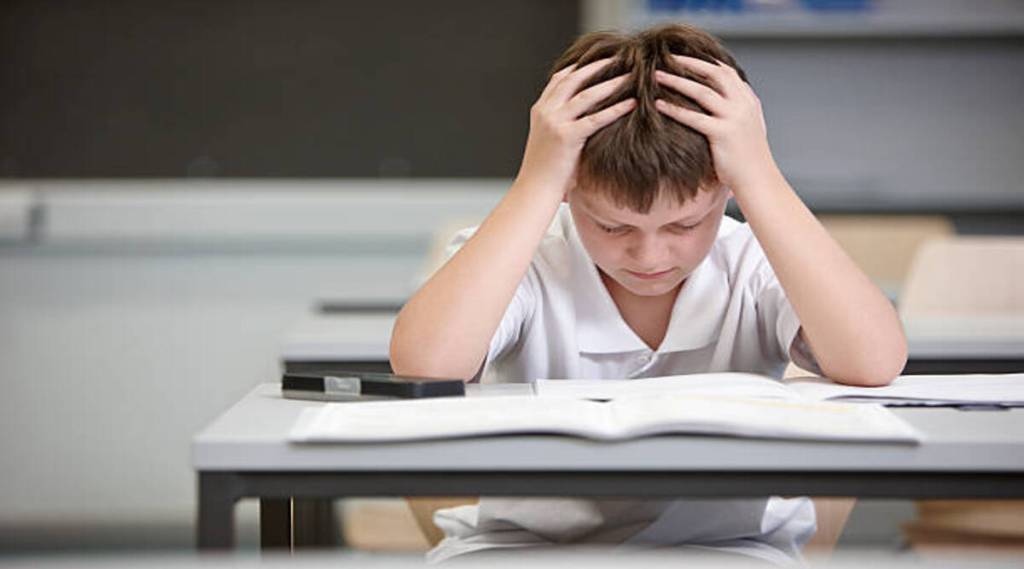
A young person’s academic performance, educational choices and career (one may quit one’s dream career and go after what their friends are doing), concentration levels, and overall personality and behaviour might alter due to peer pressure. These are all but a cumulative effect of negative peer influences.
According to developmental theorist Erik Erikson, “When there is a similarity among peers, it provides us with a sense of security,” which causes the crisis of identity vs identity confusion. Adolescents modify their thinking patterns, speech, dressing, behaviour, and other choices to those of their friends. Instead of cherishing their individuality, they try to be someone else. They fail to understand that each person is unique and trying to emulate someone else can reveal low self-esteem.
Parents and children must bear in mind the following tips to tackle peer pressure:
Recognising unhealthy dynamics: Parents must know their children’s friends, both regular and online friends. Children’s social media engagement must be monitored. If the child or adolescent shows unusual behaviour or avoids making eye contact, it is time for parents to intervene. Kids should be taught self-restraint before self-confidence! Also, children who are low in confidence may fall prey to peer pressure, so ,and teachers must play a key role in boosting the child’s confidence levels and evaluating their friendships. Use the buddy system, if need be.
-
It’s okay to make an excuse: It’s best to stay away from peers who encourage dangerous behaviour. Instead, it is wiser to spend time with kids who resist peer pressure or refuse indulgence in unwelcome activities.
-
Avoid the situation: Find friends who respect each other’s boundaries. It is good to stay away from friends who are a bad influence.
-
Be firm: One must know how to say ‘no’ when anything is inappropriate, or when it feels uncomfortable or unsafe. Talking it out with a grown-up that one can trust – like a parent, teacher, or school counsellor can be helpful. Encouraging open and honest communication is therefore imperative. That way kids will be comfortable discussing and telling how they feel before things have gone too far. At the same time, parents must teach their children to be assertive and resist any inappropriate situations.
The bottomline is that peer pressure has a remarkable impact on people of all ages, but the effects are felt more potently in childhood and adolescence. People must be more aware of their true selves and those around them, so they care about the consequences of their actions. One should ensure making wise decisions in a way that peer pressure cannot affect them. That way one does not get into situations or act in unwanted ways. Above all, each of us must take responsibility for our actions.
(The writer is Mental Health Counsellor, The Learning Lobby by Practically)
For all the latest Parenting News, download Indian Express App.



 Share


