On July 30, an 8.8-magnitude earthquake struck off the coast of Russia’s Far East, specifically the Kamchatka Peninsula. One of the strongest global seismic events in recent history, it sent shockwaves through the Pacific region, triggering a series of tsunami warnings and evacuations across multiple nations. While no fatalities have been reported so far, the event underscores the persistent threat of natural disasters like tsunamis in our interconnected world and highlights the importance of preparedness, international cooperation, and intelligent urban planning.
The earthquake’s epicentre, approximately 119 kilometres east-southeast of Petropavlovsk-Kamchatsky, was a stark reminder that the Pacific Ring of Fire remains volatile. This region, characterised by intense tectonic activity, has historically been the cradle of some of the most devastating earthquakes and tsunamis, including Japan’s infamous 2011 Tohoku quake and tsunami. Notably, the 2025 event ranks among the six strongest earthquakes ever recorded globally, comparable to the 9.0 magnitude quakes that have, in the past, caused catastrophic damage and loss of life.

Global tsunami risks
This earthquake is particularly alarming because it can generate widespread tsunamis, which can wreak havoc across coastlines thousands of miles away. The Pacific Tsunami Warning Centre alerted regions from Hawaii to New Zealand, including the US West Coast, the Philippines, Japan, and South American nations such as Chile and Ecuador. Warnings ranged from minor surges of a few centimetres to potential waves as high as 10 feet, especially in Hawaii, where authorities ordered evacuations and advised residents to move to higher ground.
Countries like Japan, which experienced significant tsunami activity, have long since invested in early-warning systems, evacuation drills, and resilient infrastructure. In contrast, other nations are still vulnerable, lacking the technological capacity or the public awareness necessary to respond efficiently to such threats.
The immediate response to the earthquake demonstrated the importance of rapid, coordinated action. Russian emergency services evacuated residents from threatened areas, including the damaged Severo-Kurilsk district, where tsunami waves caused flooding and infrastructural damage. In Japan, tsunami waves reached up to 60 centimetres, prompting the evacuation of over 1.9 million people in 21 prefectures. Meanwhile, in Hawaii, as per the newspaper reports, residents evacuated, some seeking shelter on rooftops, while authorities closed ports and ordered ships to stay offshore.
West Coast reacts to the threats of a Tsunami
In the US, the West Coast braced itself for the impact. Cities from Los Angeles to Northern California issued advisories, with some areas like Crescent City confronting waves that could reach as high as five feet due to the region’s unique underwater topography. The US Coast Guard ordered vessels to remain offshore, and emergency shelters opened across Hawaii and California. These responses exemplify how local governments and federal agencies can work together to mitigate disaster impacts and safeguard populations.
A crucial aspect of this event is the ongoing threat of aftershocks, which could last for weeks and exacerbate damage. The initial quake was followed by aftershocks as strong as magnitude 6.9, which can cause additional structural failures and hinder rescue operations. The Kamchatka Peninsula’s history of seismic activity, with notable quakes in 1952 and 2011, underscores the persistent risk in this region.
Technological advancements, such as real-time seismic monitoring, improved early-warning systems, and community education, can significantly reduce casualties and damage. Countries around the Pacific must learn from each other’s experiences, investing in resilient infrastructure against seismic forces, including tsunami-resistant buildings and effective evacuation routes.
Building resilience
As climate change and environmental degradation continue to threaten natural stability, the frequency and intensity of such calamities are likely to increase. International cooperation, knowledge sharing, and investment in disaster response capabilities are essential for building a safer, more resilient world.
Besides, this earthquake draws attention to the socio-economic disparities that influence disaster outcomes. Vulnerable communities often lack timely information, adequate infrastructure, or emergency services. Addressing these disparities requires inclusive policies that prioritise the needs of marginalised populations, ensuring that preparedness and recovery efforts reach everyone equally.
In addition, while the immediate focus is on physical safety, the psychological toll of such events cannot be overlooked. The anxiety and trauma experienced by affected populations necessitate robust mental health support systems, integrated into disaster response frameworks.
Looking ahead, governments and communities must foster a culture of resilience. This involves technological and infrastructural investments and promoting a mindset that emphasises preparedness, education, and community engagement.
The writer is a Clinical Associate Professor (Research) and Research Director at Bharti Institute of Public Policy, Indian School of Business (ISB). He teaches sustainability at ISB. He has recently been selected as the Lead Author of the IPCC’s upcoming report on Cities and Climate Change

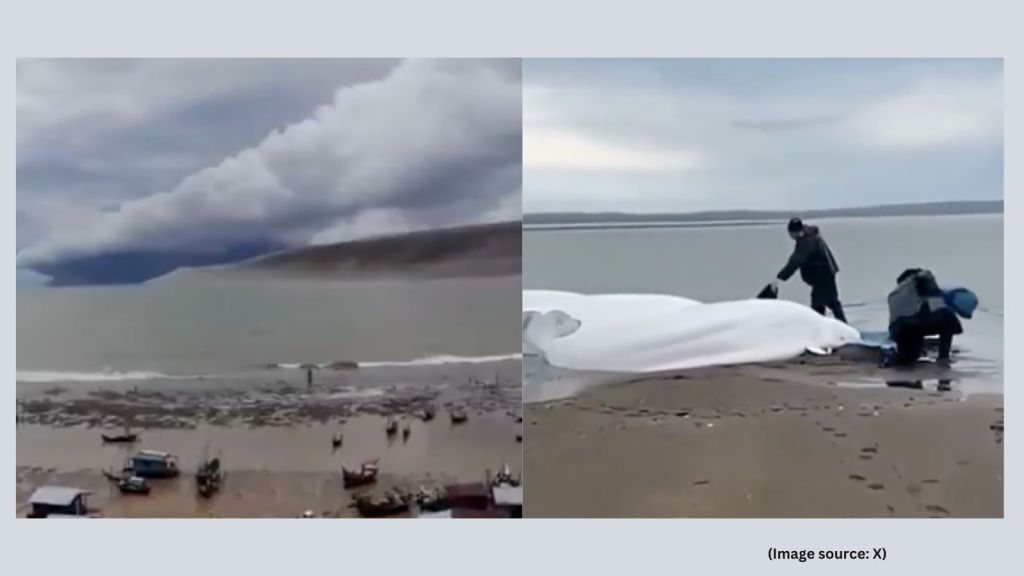 The US Tsunami Warning System issued alerts for multiple countries that will be affected (Image source: X)


 Share


