
A Question For Parliament
Can the House deal with disruption instead of being held hostage to it?
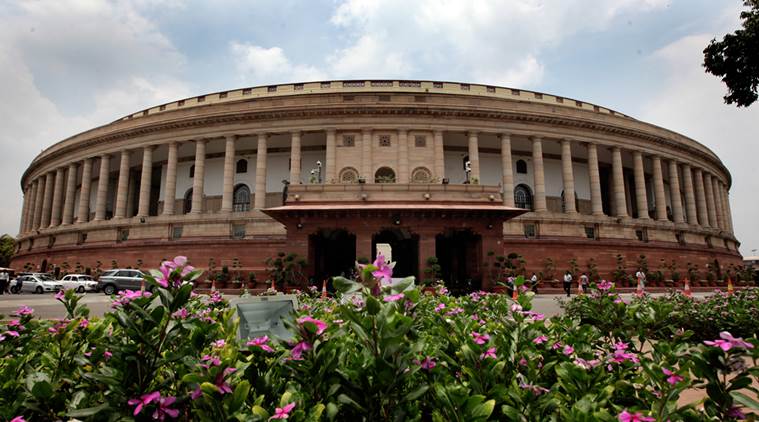 In the winter session, both Houses met for 20 days. However the Rajya Sabha only had 19 days available for functioning.
At the end of every session of Parliament, the chairman of the Rajya Sabha and speaker of the Lok Sabha make observations about the functioning and work done during the session. Statistics about working hours, bills passed, discussions undertaken and time lost are made available to MPs and the media. However, these numbers are about the output of the session rather than the outcome of parliamentary functioning. The institution of Parliament is about more than time-keeping or going through the motions of passing a bill. The end of the session is a good time to analyse the numbers, the story behind the numbers, and its implications.
In the winter session, both Houses met for 20 days. However the Rajya Sabha only had 19 days available for functioning. This is because the proceedings of the first day were adjourned as a mark of respect to the memory of a sitting member of the Upper House who had passed away that morning. Adjourning proceedings on the demise of
a sitting MP is a tradition that is followed by both Houses. The earlier convention of the Rajya Sabha was that the House would be adjourned to enable fellow MPs to participate in the funeral if a sitting member had died in Delhi.

During the session, the Lok Sabha was able to work for 98 per cent of the scheduled time. The Rajya Sabha lagged behind, utilising only 51 per cent of the time available to it for conducting business. Even this was possible only because the House spent the first three days debating “commitment to India’s Constitution”. This debate later rang hollow as the proceedings of the Upper House were disrupted for the major part of the session.
For the Lok Sabha, the majority of its productive time was spent discussing non-legislative business. This included discussions on issues related to price rise, drought and floods. However, discussions on these issues are a matter of routine in Parliament. The issue of price rise has been discussed almost every year for the last decade — sometimes multiple times during the year. The same is the case with the debate on natural calamities. Our representatives need to hold the government accountable on these issues rather than just going through the motions of debate.
This session also saw the passage of eight bills by both Houses. Thirteen were passed by the Lok Sabha after discussions lasting approximately 28 hours. The Rajya Sabha went on a bill-passing spree in the last three days of the session, passing six of seven non-financial bills without any debate.
This session also saw 71 per cent of the bills being introduced and passed in the same session — the highest in the last decade. Five bills were passed in the session without being referred to a parliamentary committee for scrutiny. While this makes the legislative output look better, it dilutes the lawmaking process.
The depth of scrutiny of bills by the legislature impacts the quality of laws. Earlier this year, the apex court struck down Section 66A of the Information Technology Act.
The amendment bill that inserted this section was passed in 2008 by Parliament without any debate. The frequency with which newly passed laws come up for amendment (Companies Act, land acquisition act, etc) and ordinances are promulgated also points towards a weakening of the legislative process.
Accountability of government functioning, which is partly done through question hour, also took a hit during the session. Question Hour was completely disrupted in the Rajya Sabha — working for only 14 per cent of the scheduled time. In the Lok Sabha, the situation was a lot better, with 87 per cent of the time allotted for Question Hour being utilised amidst disruptions. What it meant was that 14 ministries did not have to answer any oral questions, which
included ministries like commerce, defence and mines.
With disruptions becoming a way of life in our parliamentary system, this session raises important questions. Political parties need to answer whether they will continue to prioritise their political interests over the national interest. Parliament needs to come up with answers about ways of dealing with disruptions and ensuring its working is not subverted by political disagreements.
 Share


