
Pakistan policy must rest on positioning, not isolation
The key to negate Pakistan’s influence would be to make India’s already existing security and defence relations stronger
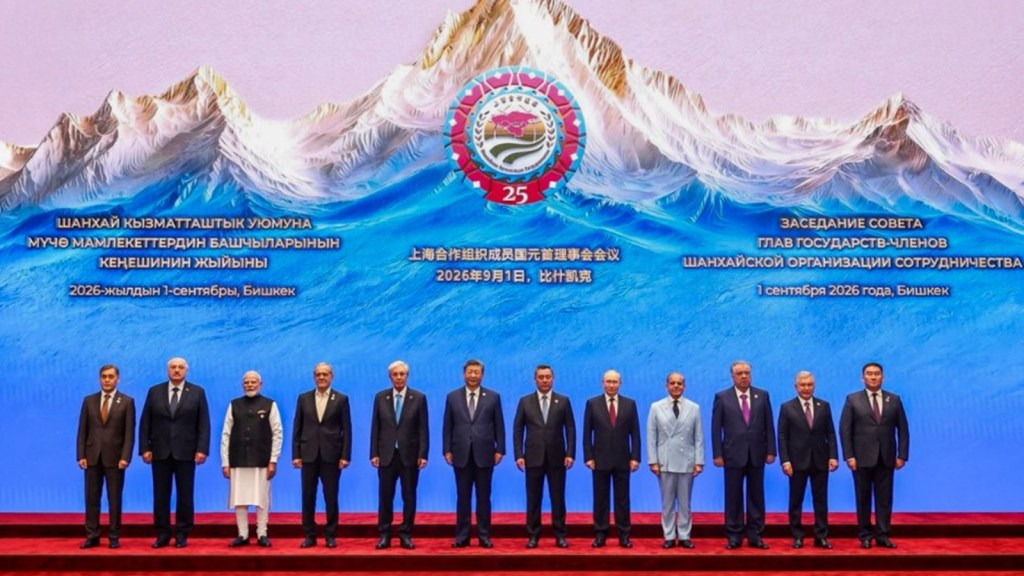 World leaders during the 26th Shanghai Cooperation Organisation Summit in Bishkek on September 1, 2026. (Photo: ANI via X/@narendramodi)
The recent Shanghai Cooperation Organisation (SCO) summit offers a useful reminder of the limits of India’s efforts to isolate Pakistan at the global level. Pakistan assumed the rotational presidency of a multilateral organisation which has counter-terrorism at its heart. Is Pakistan undercutting India’s relations with other states? Is India adequately expanding ties with other states to counter this? Strategically speaking, India’s policies have the right objectives. Weakening Islamabad on the global stage, ensuring sanctions, and rallying condemnation are common playbooks of statecraft. Where it is going wrong is in assuming that it is easy to effectively isolate a state. Interests drive state policy more than morality does. States are far more likely to react to an issue that affects their interests directly. Therefore, Pakistan remains a bilateral problem for India, and other states share little overlapping concern with New Delhi.
States also make themselves useful to others despite their differences. Take, for instance, US relations with Pakistan in the post-Cold War era. Washington has been harsh on Islamabad on several occasions, particularly on the issue of terrorism, and aid has been granted, suspended, curtailed, and restarted repeatedly. Yet the Americans remained engaged with Pakistan, largely because of their interests in Afghanistan. Nor has the Iran war been the first time Pakistan mediated between states; recall the famed realignment of the US and China during the Cold War. Flexible diplomacy can align interests despite moral complaints, and for states, that matters more.


 Share


