Written by: Shashank Maheshwari
2 min readNov 15, 2025 07:28 AM IST
First published on: Nov 15, 2025 at 07:15 AM IST
The Nithari killings remain one of India’s most harrowing episodes. In the Rimpa Haldar case, Surendra Koli was sentenced to death by the trial court, a verdict affirmed by the Supreme Court in 2011. Koli’s review petition was dismissed in 2014. But in 2015, the Allahabad High Court commuted the sentence to life imprisonment. Notably, in 12 companion cases built on the same confession and recoveries, the HC acquitted Koli in 2023. The Supreme Court upheld those acquittals on July 30. Same evidence; opposite outcomes.
On November 14, a curative bench led by Justice Vikram Nath, while entertaining the petition, observed: “Two sets of outcomes resting on the same evidentiary foundation cannot lawfully coexist.” It held that such discord “imperils the integrity of adjudication”. Intervention, the bench ruled, was a constitutional duty, not discretion.

This rare exercise of curative jurisdiction under Rupa Ashok Hurra (2002) exposes a deeper malaise: Judicial decisions that contradict each other on identical facts have no mechanism to hold the erring benches accountable. History is replete with such incidents. In ADM Jabalpur (1976), a four-judge bench upheld the suspension of habeas corpus during the Emergency, holding that illegal detention was beyond judicial review. Justice H R Khanna dissented and was superseded as Chief Justice. Their judgment was later overruled in K S Puttaswamy (2017), yet no one was held accountable.
In Tukaram (1979), the Mathura rape case, SC acquitted two policemen, reasoning that absence of injury marks implied consent. Public outrage forced Parliament to amend the law but the judges were not questioned. Justice V Ramaswami was impeached for financial misconduct, and yet retained on the bench. Justice M M Punchhi, accused of nepotism, later became CJI.
Nithari is not an aberration. Irreconcilable verdicts have denied closure to victims’ families and clarity to the accused. The SC’s intervention treats the symptom, not the disease. Without structural reform, transparent performance audits, hybrid oversight panels, and enforceable standards, such contradictions will recur. The judiciary cannot demand accountability from others while shielding itself. Nithari must become a case study in the urgent need for judicial accountability.
The writer teaches at Jindal Global Law School

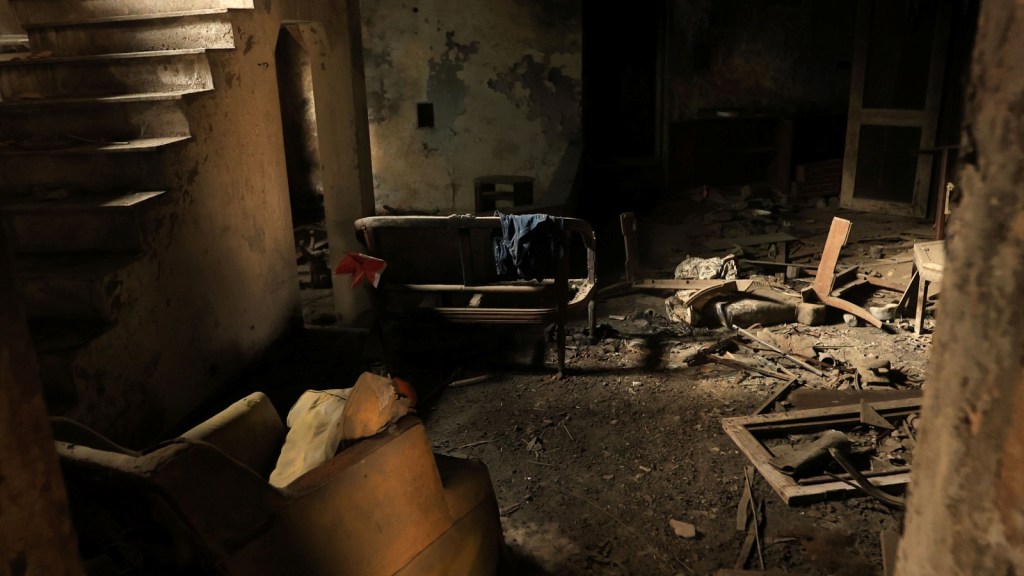 The house of the accused in Sector 31, Noida. (Gajendra Yadav)


 Share


