5 min readMay 15, 2026 11:22 AM IST
First published on: May 14, 2026 at 05:23 PM IST
A 15-year-old rape survivor. A pregnancy past 30 weeks. A mother approaching the Supreme Court in desperation. When the court permitted the termination, the case became, almost instantly, a referendum on abortion law. Activists celebrated the judiciary. Parliament, by implication, stood accused of silence, of abandoning women to the courts. I understand that reaction. I do not agree with it.
In the ongoing pro-life vs pro-choice debate, I believe the government of India has, on balance, got this right. The legislation as it stands is not the obstacle. The problem lies elsewhere, in implementation, in access, and in our collective unwillingness to engage honestly with what late-stage termination actually involves, medically and ethically. The Medical Termination of Pregnancy (MTP) Act of 1971 was enacted at a time when safe, legal abortion was not available to women in much of the democratic world and abortion remained criminalised in most developed countries. The United States was still two years away from Roe v. Wade. The United Kingdom had only just begun implementing its own liberalisation. India moved early, driven by a stark reality: Criminalising abortion was killing women.

An estimated 9,30,000 abortions occur annually among adolescents in India, with around 78 per cent being unsafe. Approximately 8 per cent –13 per cent of maternal deaths are attributed to unsafe abortions.
The legislature acted again in 2021. The amendment extended the gestational limit to 24 weeks for specific categories of women — rape survivors, minors, those facing foetal abnormalities, women confronting changed circumstances mid-pregnancy. Twenty-four weeks is nearly six months into a pregnancy. In most situations, it is enough time for medical examinations, counselling, second opinions, and reflection. But pregnancies are not always emotionally linear experiences. Parliament recognised this complexity. It also explicitly included unmarried women, correcting a gap in the original law, strengthened confidentiality protections, ensuring that seeking an abortion did not expose a woman to further harm. The intent was stated plainly: All women, irrespective of marital status, should have access to safe abortion within the legally allowed timeframe, with dignity, autonomy, confidentiality, and justice. This is not the record of a legislature that has abandoned women.
The expulsion procedure of a foetus becomes significantly more difficult once the bones are formed, posing serious and documented risk to the mother. These are not bureaucratic hurdles invented to obstruct women. They are medical realities, and any honest conversation about late-stage abortion must reckon with them. Foetal viability is the other reality that cannot be overlooked easily. Medical science has advanced dramatically. Premature infants born at seven months today are mostly capable of going on to live healthy lives with proper neonatal care. This complicates the moral and legal debate around very late-stage termination.
This does not take away from a woman’s right to decide, but it does make the choice more layered, more consequential. Medical-board approval for pregnancies past 24 weeks is not gatekeeping for its own sake. It is a recognition that at this stage, two lives are in the room. In the Indian context, a foetus even in the womb is referred to as a “jeev”, a life. That spiritual dimension of this debate cannot be dismissed as regressive. The law consistently affirms the weight we place on every life. The 24-week framework is, in that sense, the most honest balancing act available between being pro-life and pro-choice.
Every right comes with a cap. The right to terminate a pregnancy is no different. It must be tempered with medical caution, particularly as gestational age advances and the risks to the mother herself become genuinely serious. This is precisely what the amended law sought to reduce by bringing women out of illegal clinics and into regulated medical care.
The cases that reach the Supreme Court are exceptional by definition. But such cases are not evidence that the legislation has failed. They are evidence that the framework is working, with the courts stepping in at the margins where human tragedy outpaces the written law.
In fact, the very reason the Supreme Court could intervene at all was because the Parliament had already created a legal and medical framework capable of accommodating complexity. The judiciary was not operating outside the law, it was interpreting the law in an extraordinary factual situation. That distinction matters.
What we need today is not a new law but medical boards that function without delay; trained practitioners in every district, not only in cities; the existing law implemented as Parliament intended, not filtered through institutional hesitance or social stigma at the grassroots level.
The legislation is not the problem.
The writer is a lawyer and national media panellist, BJP

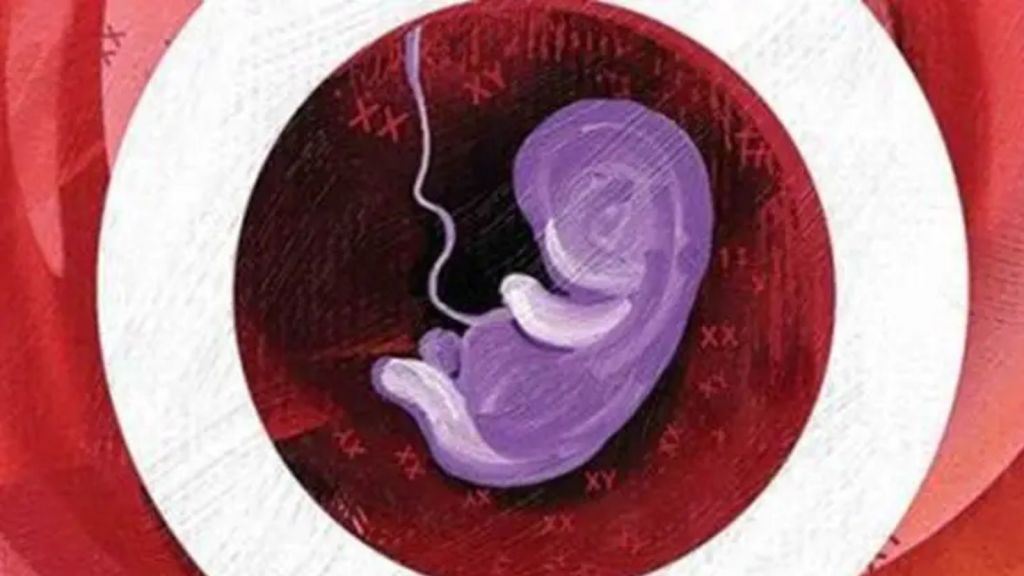 The expulsion procedure of a foetus becomes significantly more difficult once the bones are formed, posing serious and documented risk to the mother.


 Share


