5 min readMay 18, 2025 05:01 PM IST
First published on: May 18, 2025 at 04:51 PM IST
Dear Readers,
The average prescription drug in the US is more than three times costlier than in OECD countries. The disparity is way larger when the US is compared with India. After assuming office in January, US President Donald Trump had made it clear that his administration intends to cut drug prices. Last week, he issued an executive order to align US drug costs with the cheapest ones abroad. The industry has been given a month to equalise prices. The jury is out on whether the policy will get past the American legal system’s scrutiny.

During his first term, Trump’s move to regulate the prices of some drugs under the government’s Medicare programme was blocked by a federal court. However, this time the US President seems to have more political support, including from a section of the Democrats – in fact, Trump’s predecessor, Joe Biden, too, made an aborted move to reduce prices of some medicines such as insulin. It’s also becoming clear that the Trump administration will shun a free-market approach and negotiate prices with manufacturers. It has reportedly started using national security provisions for this purpose.
The order directs the US Health Secretary to send price targets to drug manufacturers and begin talks to reduce prices within 30 days. If the negotiations remain inconclusive, Kennedy has been directed to enforce the Most Favoured Nation Model, which would limit US rates to the lowest paid in other wealthy countries. The US President believes that the policy could reduce drug prices in the US by up to 80 per cent. The development has worried the pharma industry which claims to use the profits it generates in the American market to subsidise the development of therapies in other parts of the world.
A churn in the American pharma regime could push drug companies to recalibrate their pricing in other parts of the developed world. Many countries, including all EU members, have nationalised healthcare systems, which have used a mixture of tax incentives and regulatory mechanisms to strike a balance between affordability and market sustainability. In fact, a greater part of Trump’s criticism was directed at governments – not companies – and he asserted that Americans are paying for the low costs of medicines elsewhere.
The US president’s diatribe could push big pharma to up the ante in Europe and other parts of the world. The industry has had a difficult relationship with European regulatory mechanisms and has constantly demanded less government control on price and clinical trials. In the UK, for instance, the industry is pushing for changes in the system that helps the NHS to keep a lid on medical costs. Major UK-based pharmaceutical companies, such as GlaxoSmithKline (GSK) and AstraZeneca, which experienced stock volatility following the announcement of the US executive order, are sure to step up the pressure on the NHS.
India’s generic medicine industry is unlikely to be affected by Trump’s moves in the near term. In fact, it could even enhance the competitiveness of Indian generics in the US. However, ripples of Trump’s measures will surely be felt in trade deals that India is negotiating with the US, EU and other blocs and nations. The global pharma lobby has already been insisting on intellectual property protections that go beyond the requirements of the WTO-mandated TRIPS provisions. These include extending patent protection beyond the standard 20-year period.
For instance, the TRIPS-plus demands of pharma majors have been one of the sticking points in India’s trade negotiations with the EU. India has also resisted claims of companies to extend patents by devising changes that don’t significantly improve the efficacy of a drug. In 2013, for instance, Novartis lost a seven-year-old legal battle over its cancer therapy Glivec, when the Supreme Court did not agree with the Swiss company’s contention that a modified version of the drug was a “novel” one.
During the negotiations on the recently concluded Free Trade Agreement with the UK, India stood its ground on the data exclusivity clause that would have hurt the interests of the country’s generic medicine industry. In the coming months, the resolve of the country’s negotiators will be tested even more. As they endeavour to expand India’s trade partnerships, they should be alert to the imperatives of protecting the needs of the country’s healthcare system and its patients.
Till next time,
Kaushik

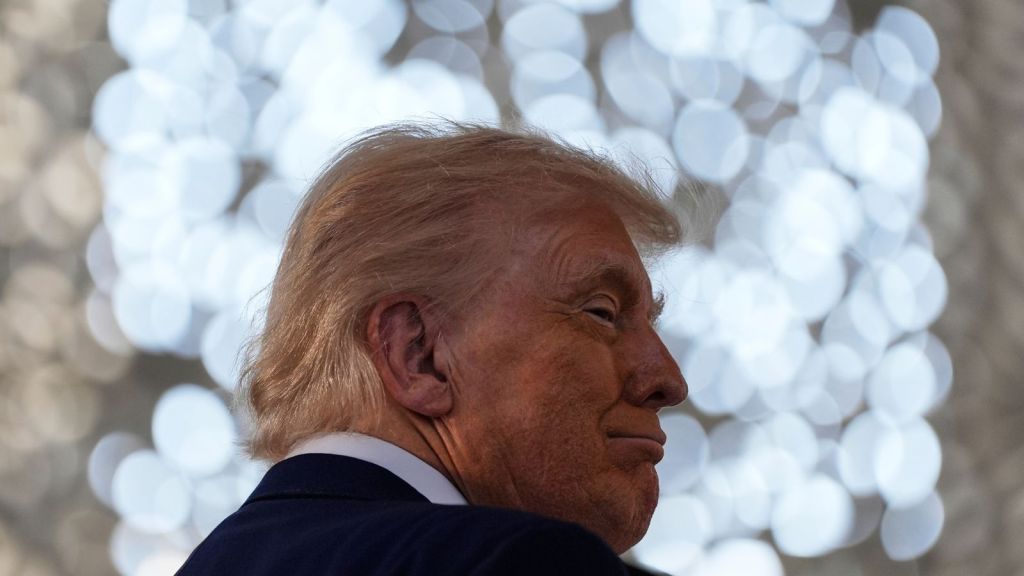 The US President believes that the policy could reduce drug prices in the US by up to 80 per cent. (AP)


 Share


