
Apar Gupta writes: As Elon Musk takes over Twitter, a note of caution
His stated vision for the platform includes advancing free speech, reducing political tribalism. But it will require patience for nuance and experienced staff to apply the principles of free expression which, in many instances, are complex determinations.
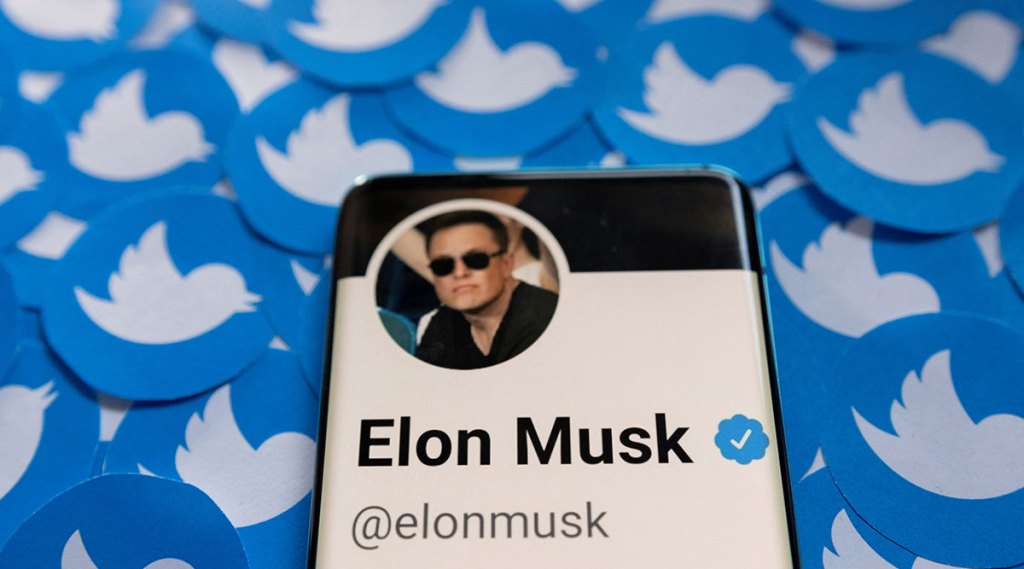 Twitter has a narrow, metropolitan base in India estimated at around 24 million users. (REUTERS/Dado Ruvic/Illustration/File Photo)
Elon Musk now owns Twitter. His takeover, expected to close this week, started with a public statement of intent titled a “message to advertisers”. Published yesterday it provides some insight into his motivations where he states his ownership is not to be driven by monetary gain but, “to try to help humanity”. He acknowledges this is an ambitious goal to be solved by Twitter becoming “a common digital town square, where a wide range of beliefs can be debated in a healthy manner.” Coming against the backdrop of Twitter’s well-documented challenges in achieving user and revenue growth, or a clear product vision, this change seems refreshing to optimistic commentators. But what might such an ownership change mean for Indian users, or the local media ecology?
Twitter has a narrow, metropolitan base in India estimated at around 24 million users. If one were to believe Musk, many of these accounts are spam or inauthentic whereby a single person or entity may have signed up for several if not hundreds of them. However, due to the profile of authentic user accounts that are used by public officials and celebrities, this extremely small and elite number wields a disproportionate cultural and social influence. Twitter also acts as a public medium of choice for diplomatic engagement, narrative-setting by politicians and statements by technology companies. Hence, an ownership change which is accompanied by a transformation of Twitter’s mission will have a significant impact within India. Here, the first important factor to consider is the structure of Twitter Inc, which will go from being a publicly traded company to one that is privately owned. This will increase power at the board level and, given Musk’s ownership stake, will enable nimbler decision making. For optimists, this means he can radically change the experience on the platform without concern for a quarterly earnings report. It may mean a clean-up of the bots and spam that proliferate on Twitter without check which may be difficult for a publicly traded, social media company to audit and remove as it may show a decrease in user engagement. However, a more pragmatic assessment will hold that the financial sustainability of Twitter will be a factor in the product arithmetic as the “message to advertisers” notes that it wants to be the “most respected advertising platform”.

 Share


