3 min readMar 30, 2026 07:02 AM IST
First published on: Mar 30, 2026 at 06:12 AM IST
As West Asia slides once again into uncertainty, the pressure on major powers to “take sides” has grown. Escalating tensions have revived familiar anxieties over energy security, maritime stability, and regional destabilisation. In this charged atmosphere, India’s restraint has attracted criticism from those who mistake silence for indecision. That reading is flawed.
India’s approach to West Asia is rooted in calibrated multi-alignment. Unlike many regional and extra-regional actors, India has sustained parallel and substantive relationships with Iran, Israel, the Gulf monarchies, and the US. This is a conscious policy choice shaped by hard interests and regional realities. Crises such as the present one only underline why this approach is not just defensible, but necessary.

The stakes for India are high. Nearly 88 per cent of its crude oil imports pass through the Strait of Hormuz, a choke point that becomes vulnerable every time regional tensions spike. At the same time, close to 9 million Indian citizens live and work across the Gulf, contributing over $50 billion annually in remittances. Any public posturing that alienates one side risks endangering energy supplies, trade routes, and the safety of the diaspora. Strategic neutrality is thus not moral evasion — it is national interest.
Critics often overlook the fact that restraint has been matched by concrete action. Despite the suspension of rupee-denominated oil trade with Iran due to international sanctions, India secured a humanitarian window to import 500,000 tonnes of discounted Iranian liquefied petroleum gas, preventing fertiliser shortages at home. Simultaneously, India has deepened its energy diversification strategy through nearly $10 billion in green hydrogen investments from the UAE and Saudi Arabia.
Operational readiness has reinforced India’s posture. The safe passage of Indian-flagged vessels through the Strait of Hormuz during heightened tensions underscores India’s focus on maritime security and contingency planning. These actions are far more consequential than rhetorical alignment. Protecting sea lanes and commercial assets is where diplomacy meets state capacity. India’s caution is also shaped by the complexity of its partnerships. Relations with Iran are vital for regional connectivity and access; ties with Israel underpin defence and technology cooperation; engagement with Gulf states is central to energy security and diaspora welfare; and strategic convergence with the United States remains crucial in the broader Indo-Pacific context. Publicly siding with one actor risks weakening ties with another.
Moreover, India’s role in multilateral platforms such as BRICS further limits the utility of unilateral rhetoric. Acting as a responsible stakeholder requires sensitivity to collective dynamics, not megaphone diplomacy.
The West Asia crisis is a reminder that restraint, when backed by preparedness and purpose, is a strength. India’s diplomacy may not be loud, but it is calculated, resilient, and anchored in national interest. That is what effective foreign policy should be.
The writer is chairperson, Delhi State Hajj Committee, and member of the BJP

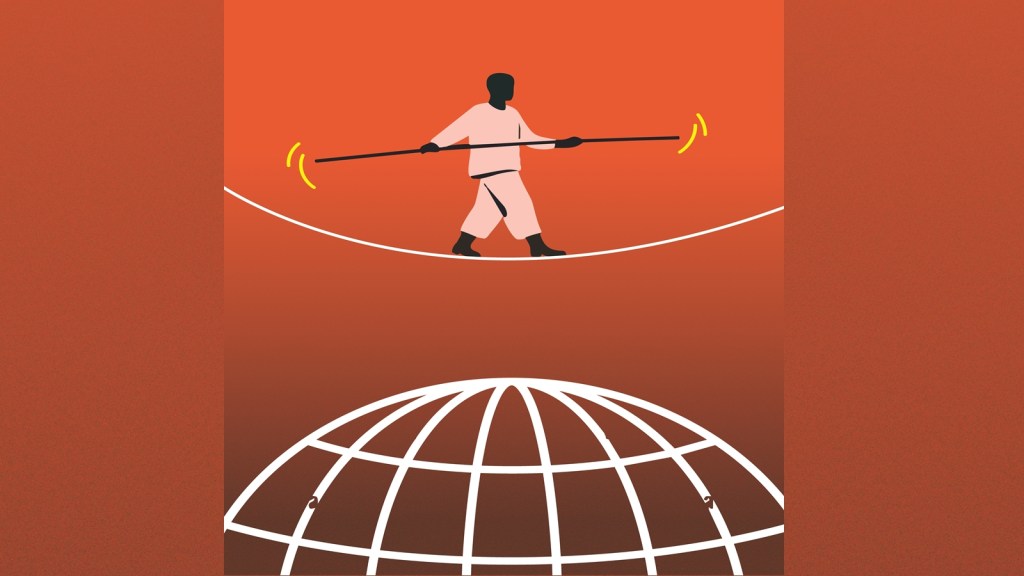 Any public posturing that alienates one side risks endangering energy supplies, trade routes, and the safety of the diaspora. Strategic neutrality is thus not moral evasion — it is national interest


 Share


