


Journalism of Courage
 Besides its use in throwing up new flavour pairings, computational gastronomy has expanded the idea of food as a vehicle for health benefits.
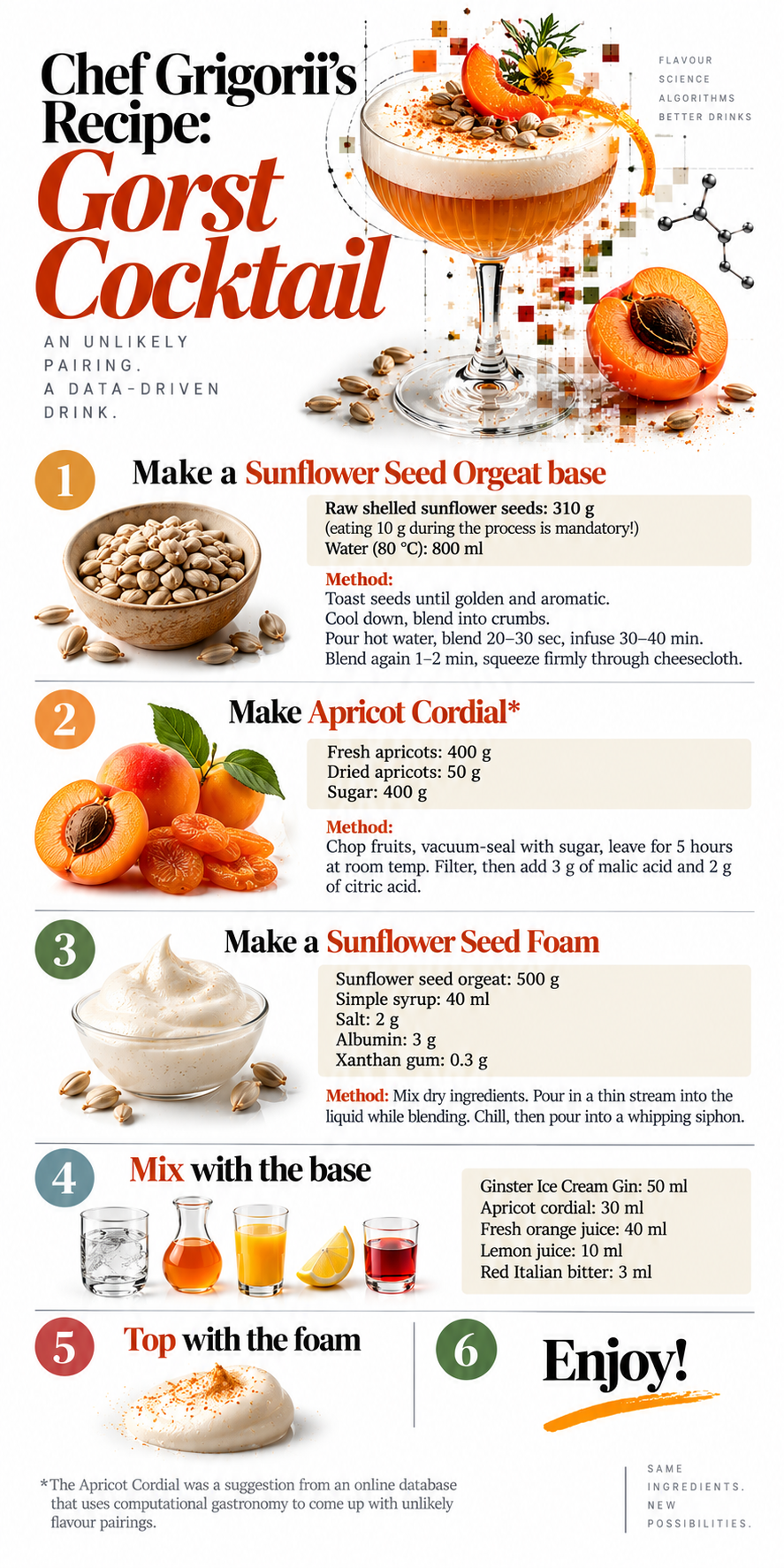
DON’T FORGET to try something new!” is the motto that drives Bessararov Grigorii, 31, a chef-mixologist at Dubai’s Frank Meat & Taps, whether he is mixing cocktails for guests or experimenting with food in the kitchen. It is this impulse that led him to FlavorDB in 2023, after he came across an Instagram reel featuring it as a culinary tool. Since then, the database has led him to serve flavour combinations he had not explored before.
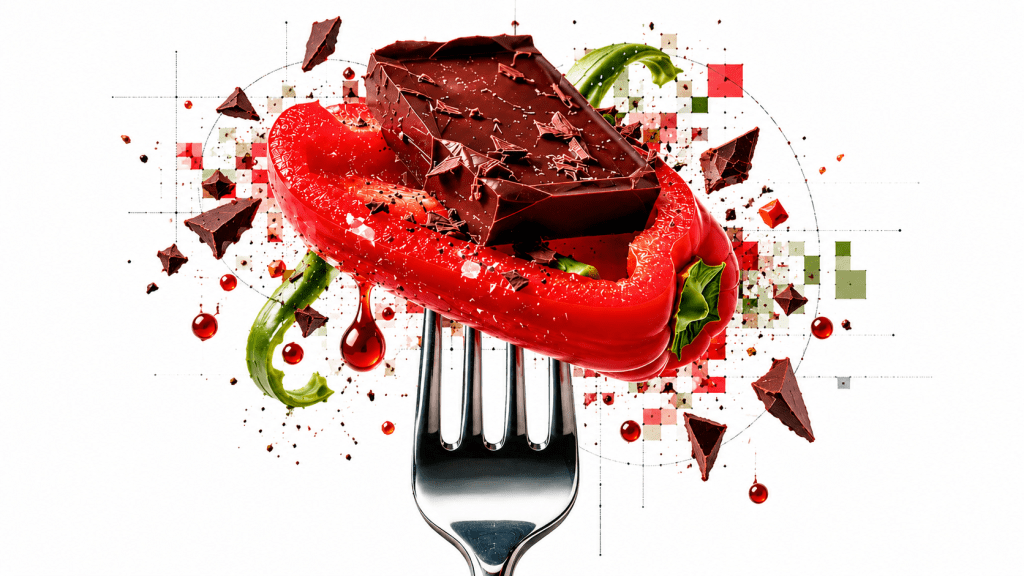
FlavorDB is an open-access digital database that maps food ingredients by the flavour molecules they share, paving the way for exploring culinary combinations that might otherwise go untried. Think capsicum and chocolate. Bizarre as that may seem, both ingredients share flavour molecules — volatile chemical compounds that contribute to the taste and aroma — and, consequently, pair well should someone decide to put them together in a recipe.
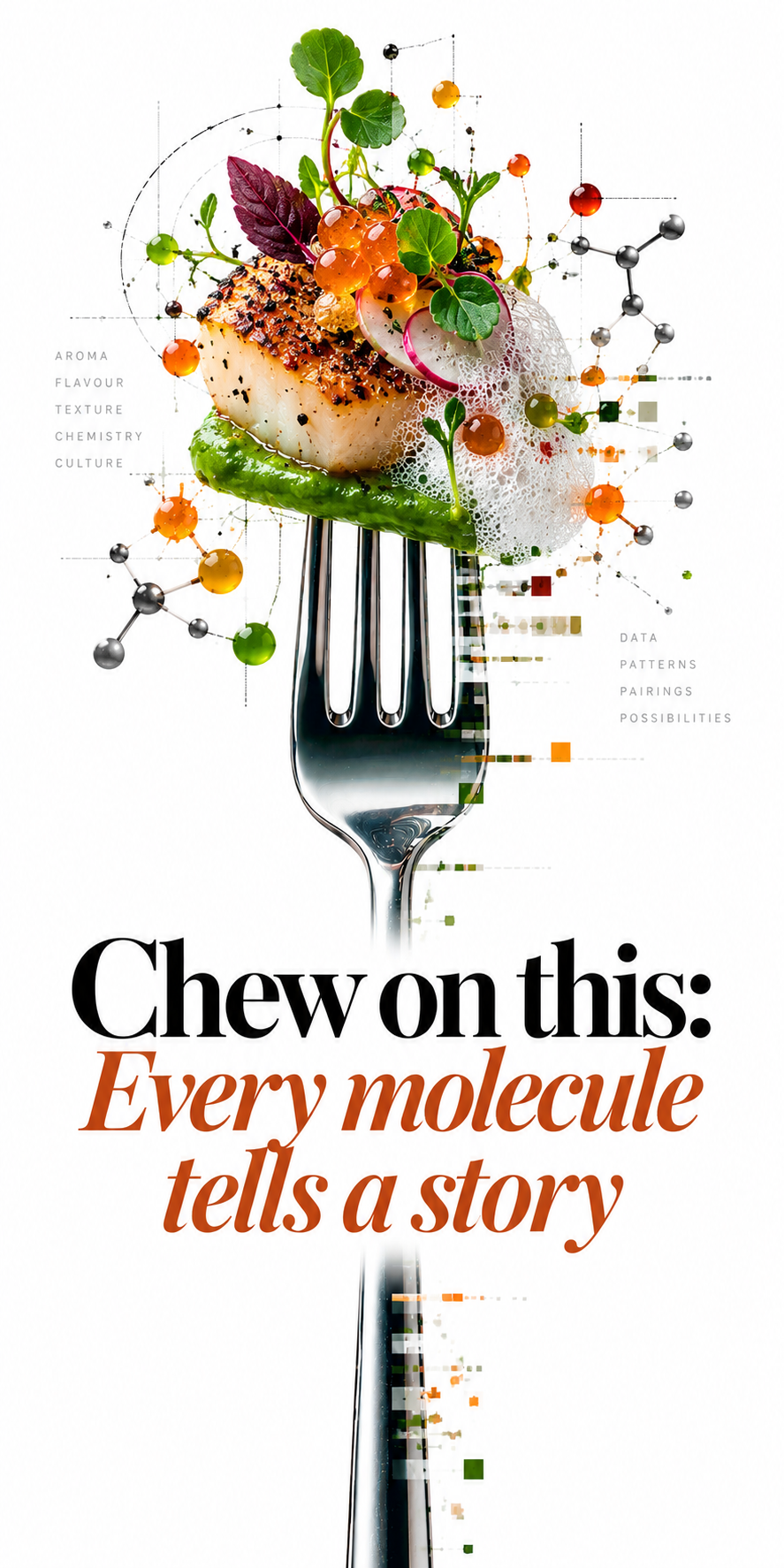
The database, developed by a research team led by Dr Ganesh Bagler of the Indraprastha Institute of Information Technology, is one of the many applications of computational gastronomy, an emerging science that brings together molecular biology, data science and artificial intelligence.
From mixologists like Grigorii who like playing around with flavours to conscious consumers of food, who weigh their calories and measure their carbon footprint, and those who seek personalised meal plans for health reasons — computational gastronomy promises applications tailored to varied needs.
 ⠀
Among the most curious combinations Grigorii has discovered are lemon and white chocolate, pineapple and snow peas, and, what he swears by, bourbon, bacon and banana. “People are used to flat, obvious combinations… The database gives me non-obvious pairings at the level of shared aroma molecules, so I’ll serve a guest something like pea-pineapple. It surprises them and sells really well,” he says, on a video call from his home in Russia’s St Petersburg.
Using FlavorDB, Grigorii says, requires both an understanding of how the database works and a chef’s imagination to translate its suggestions into something appealing.
That, says Associate Professor Andrea Vitaletti of the Computer Science department at Rome’s Sapienza University, is ultimately the point of computational gastronomy: “generating insights that help experts reflect on and better understand their own intuitions and judgments” on food.
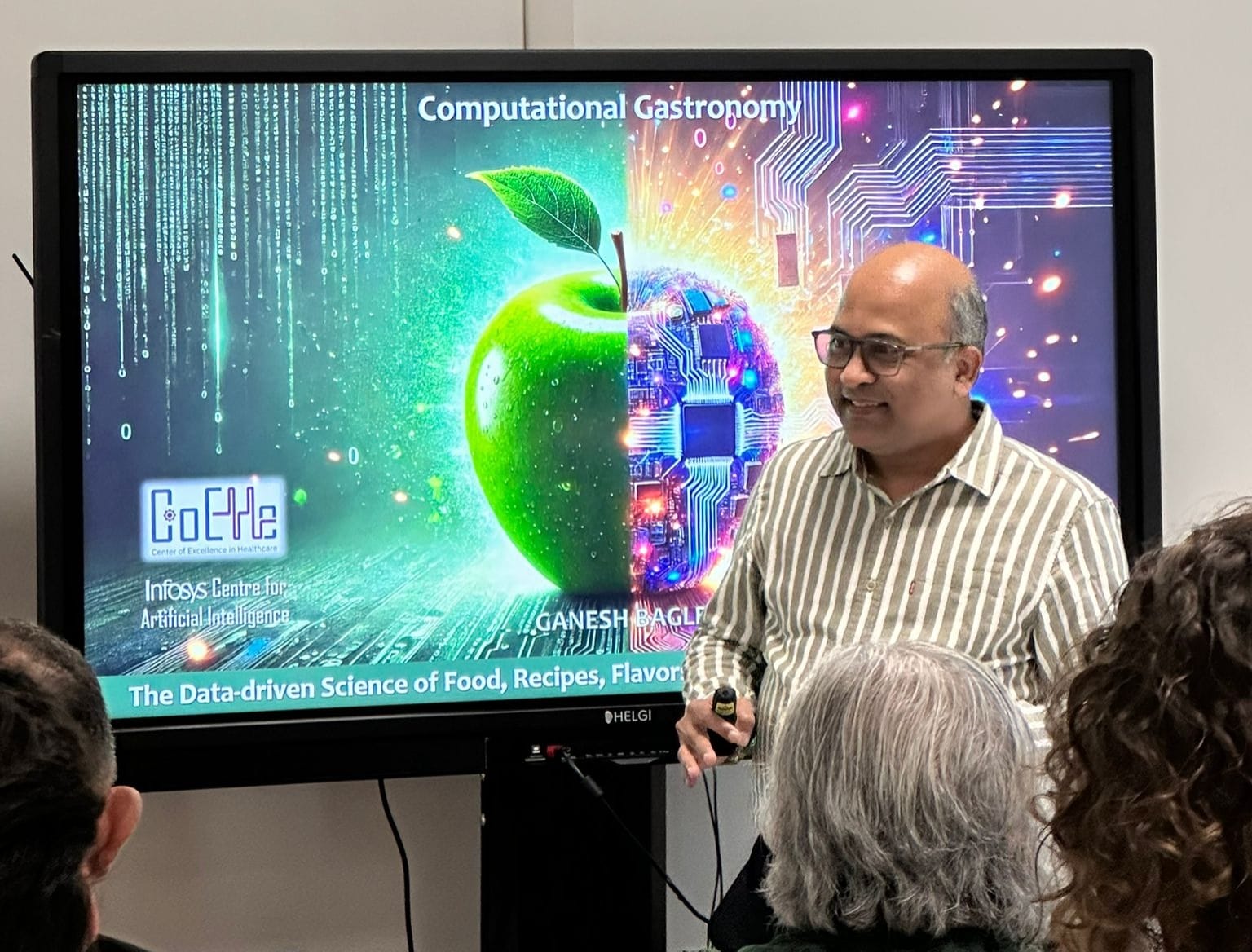 Dr Ganesh Bagler delivering a talk in the International Conference on Computational Gastronomy held in Italy
Bagler’s database contains 936 food ingredients (coffee, egg, chamomile, and berry wine, among many others), each containing flavour molecules of its own. That’s nearly 26,000 flavour molecules in all. Users of his application can find what pairs best with, say, coffee, by clicking on it, which then reveals the different ingredients with which coffee has molecular overlaps, thus helping discover untested pairings. For instance, coffee has 269 flavour molecules and capsicum has 218, and they share 78 of them. Who would have thought that coffee shares flavour molecules with crab, and is waiting for a chef to toss them together in a recipe?
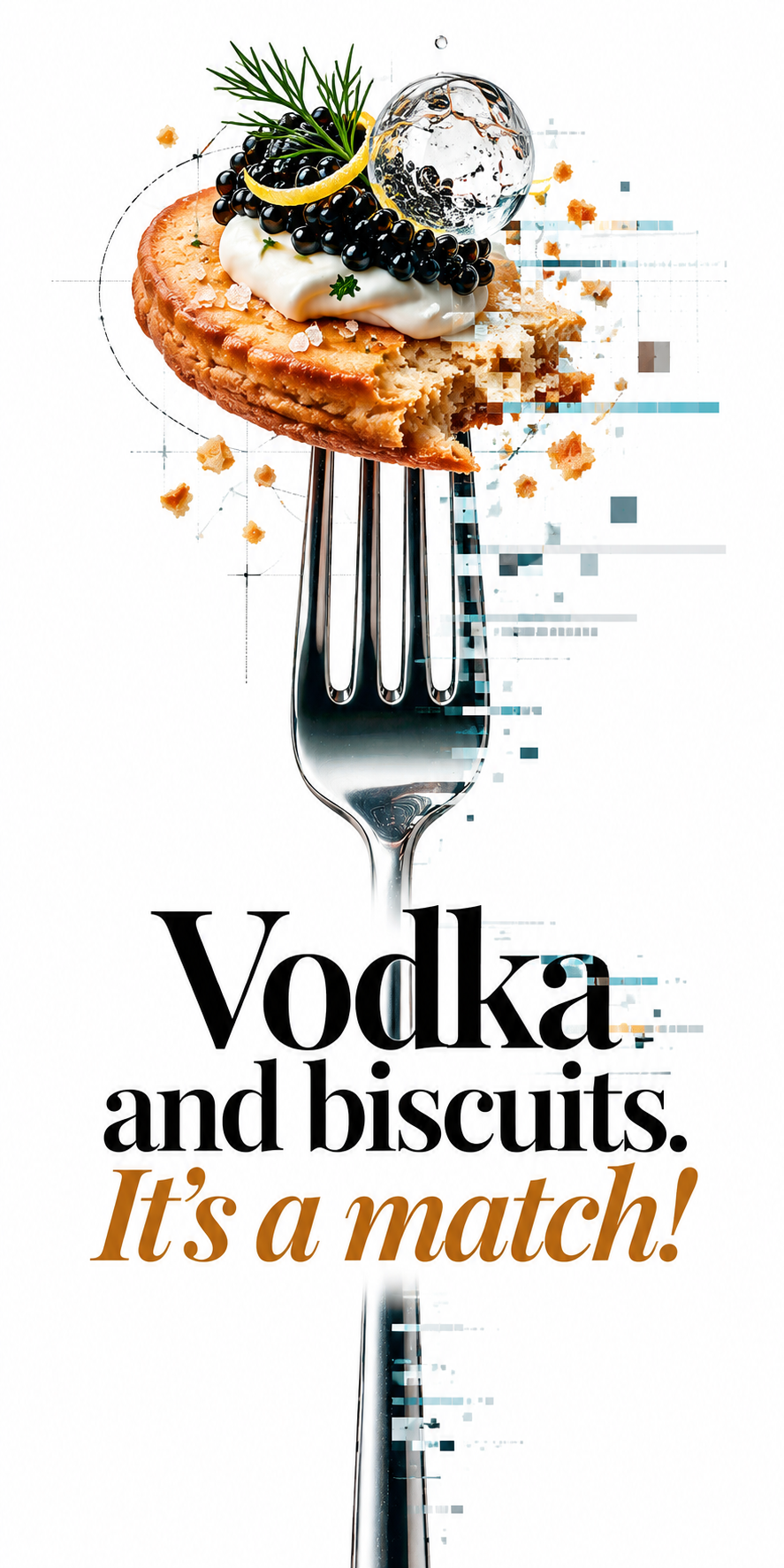
The potential of untested recipes is what caught Grigorii’s attention. Though he is now on vacation in St Petersburg, he has been unable to resist the pull of the city’s food scene and has taken up work as a barback at Arka Bar. He rues Russians’ tendency to choose vodka almost every time, but also calls vodka “the greatest” spirit for mixing with different ingredients. He recently discovered that biscuit shares 95 flavour molecules with vodka, and he now wants to infuse vanilla vodka with biscuit and make the twist for it. What excites him about such experimentation is “how little by little, I’m shifting the guest’s own sense of what actually goes together.”
If curiosity drew Grigorii to FlavorDB, nostalgia was the driving force behind Shantanu Patil, a food entrepreneur from Barshi in Solapur, Maharashtra. His company, All Sow Great, manufactures millet-based products, including chivda, cookies and flakes.
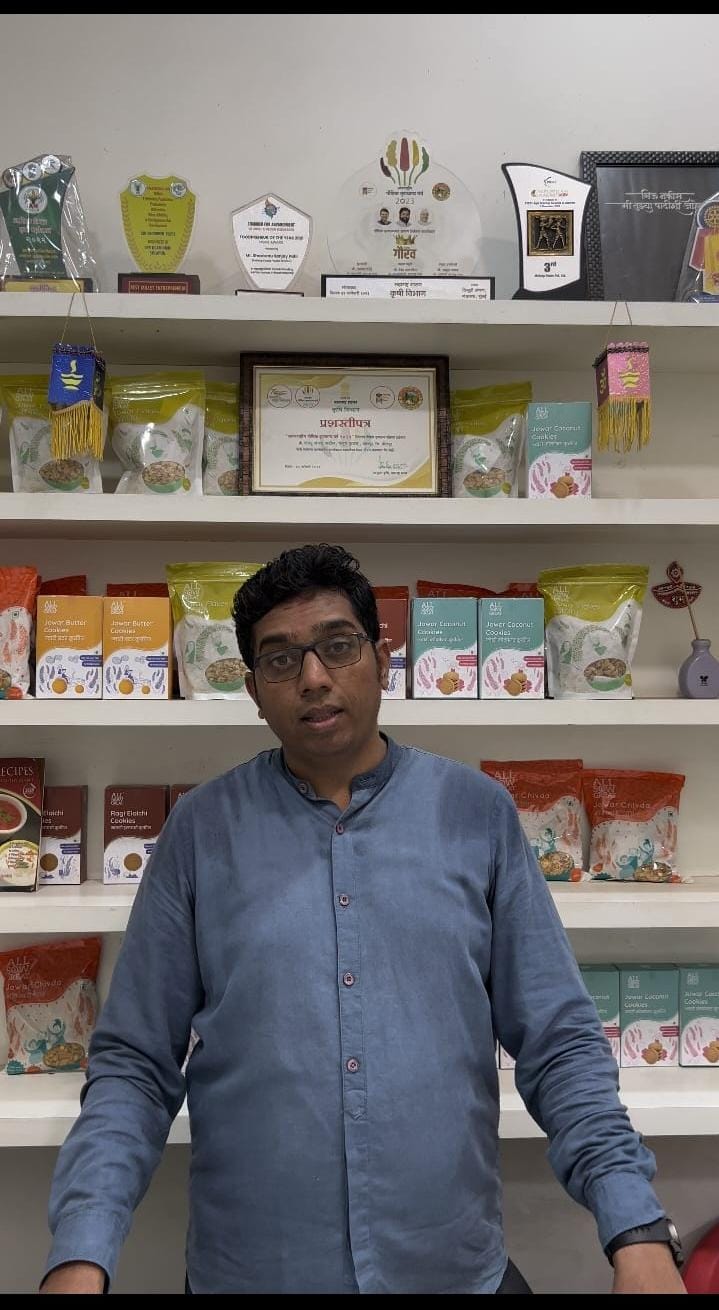 Shantanu Patil has been using FlavorDB for flavour matching and manufacturing sustainable foods.
Patil, who studied Environmental Food Entrepreneurship in Scotland, wanted to recreate memories of the food he enjoyed while growing up in the 1990s. His idea was simple: “Today’s fathers would want to introduce their children to the flavours that they once loved.”
He had grown up with a fascination for Parle-G Kismi maida biscuits and wanted to recreate the experience with ragi, considering that using local ingredients reduces carbon footprint. What he particularly wanted in his biscuits was the flavour of raisins that his favourite childhood snack had. He could have simply added raisins, but that would have cost more, making it difficult to reach a wider market.
Another challenge, he says, was “how to mask the muddy taste of ragi with flavours that customers will want to come back to; any flavour will go well with maida cookies, but it is different for millets”.
He used Bagler’s database and eventually found that baked ragi, when paired with cardamom or elaichi oil, gave the raisin flavour he wanted.
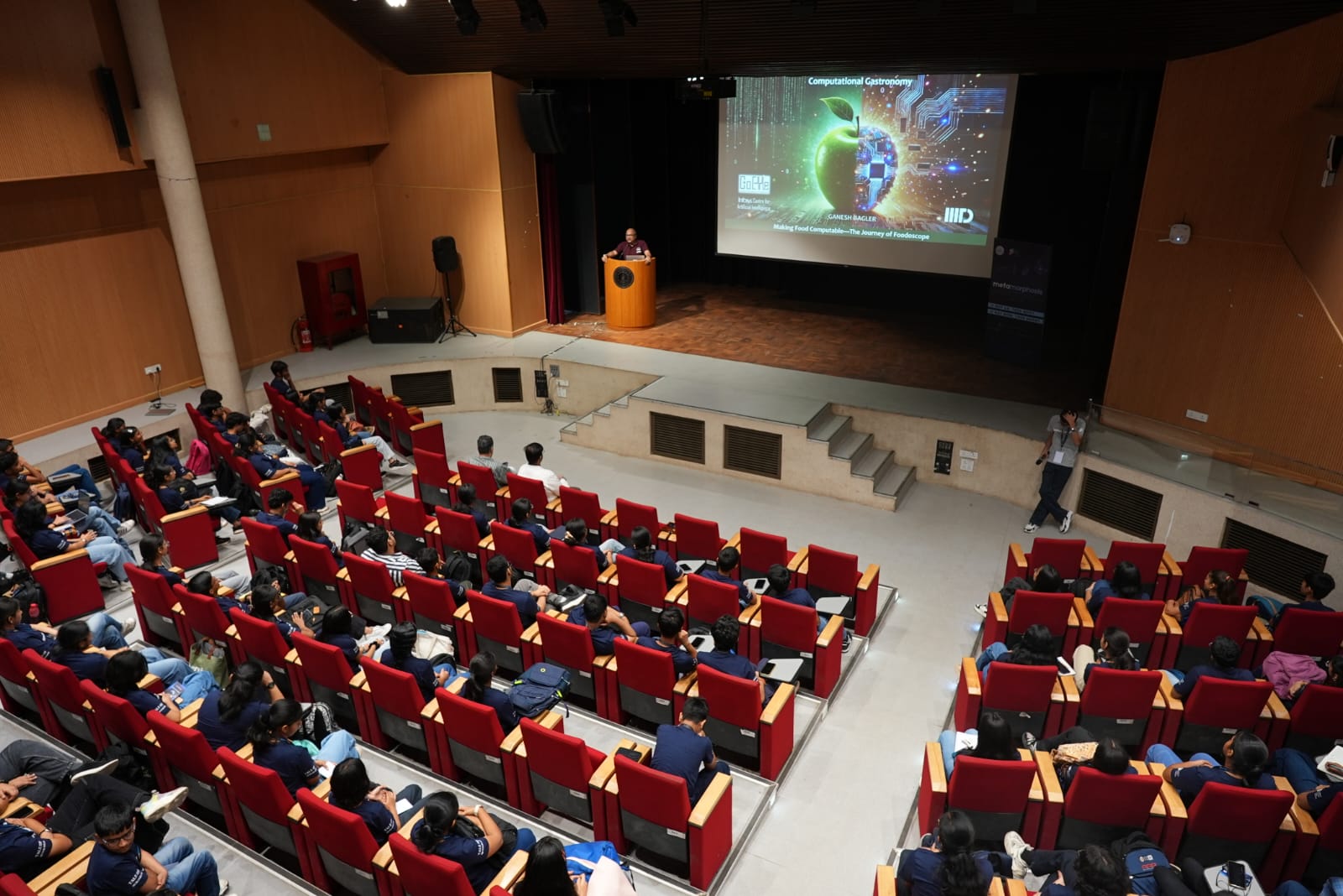 Dr Ganesh Bagler’s team has been working on computational gastronomy at the Indraprastha Institute of Information Technology Delhi
While baking ragi, its natural carbohydrates and amino acids undergo Maillard reactions, producing sweet, caramel and malty flavour compounds. The cardamom oil adds floral and citrus notes to this malty base, helping create the sensory experience Patil craved. He has since successfully marketed the resultant product.
Most importantly, says Patil, “10 trials karne ka zaroorat nahi hua (I didn’t have to do multiple trials).”
For a small business such as Patil’s, investing in research and development or hiring consultants — who may have charged Rs 20,000-25,000 to analyse an existing product, such as the Parle biscuits — can substantially increase costs. While “digging around” for an alternative, he came across Bagler’s paper on FlavorDB.
 ⠀
For Grigorii, computational gastronomy is “the next layer” in the evolution of food. “Science and gastronomy change the industry one way or another — just think of sous-vide,” he says, referring to a culinary technique where food is sealed in an airtight plastic bag and cooked in a precisely controlled warm water bath, helping chefs achieve consistent textures in meat, fish and vegetables. “The technique showed up in restaurants back in the mid-70s and reached bars in the 2010s, and what used to feel like something magical is now an everyday working tool,” he says.
Food science can be empowering for chefs, Grigorii says, because “even the most ordinary guest eventually gets tired of the same thing and votes with their money for the unexpected”.
Besides its use in throwing up new flavour pairings, computational gastronomy has expanded the idea of food as a vehicle for health benefits.
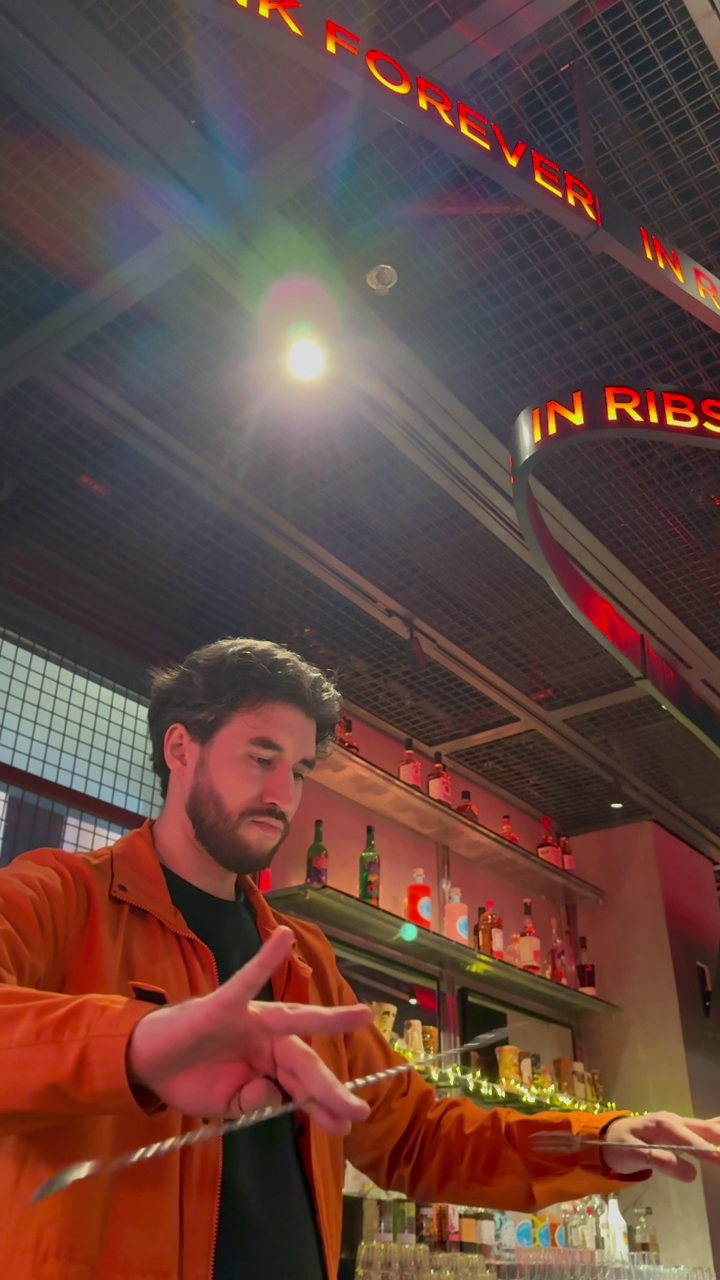 Grigorii is a chef-mixologist at Dubai’s Frank Meat & Taps
Exploring this intersection, Bagler’s team has developed SpiceRx, another digital database that maps spices and herbs to their reported health impacts and could support therapeutic approaches to meal planning. For instance, it shares that more than a hundred research articles report the benefits of ginger against nausea.
Research into food that is not only tasty but also nutritious is currently exploding, with personalised meal planning gaining traction. “Meal planning today is not only about looking at ingredients or their calorie content, but also breaking them down into their molecular components. In our research, we map proteins and amino acids to foods and their health impacts. Then, by looking at a person’s blood work or genetic information, a personalised meal plan can be designed,” says Navya Sharma, who works with Bagler’s team.
The next frontier for Bagler’s team is food that is also sustainable, for which they have developed SustainableFoodDB to map the carbon footprint of dishes.
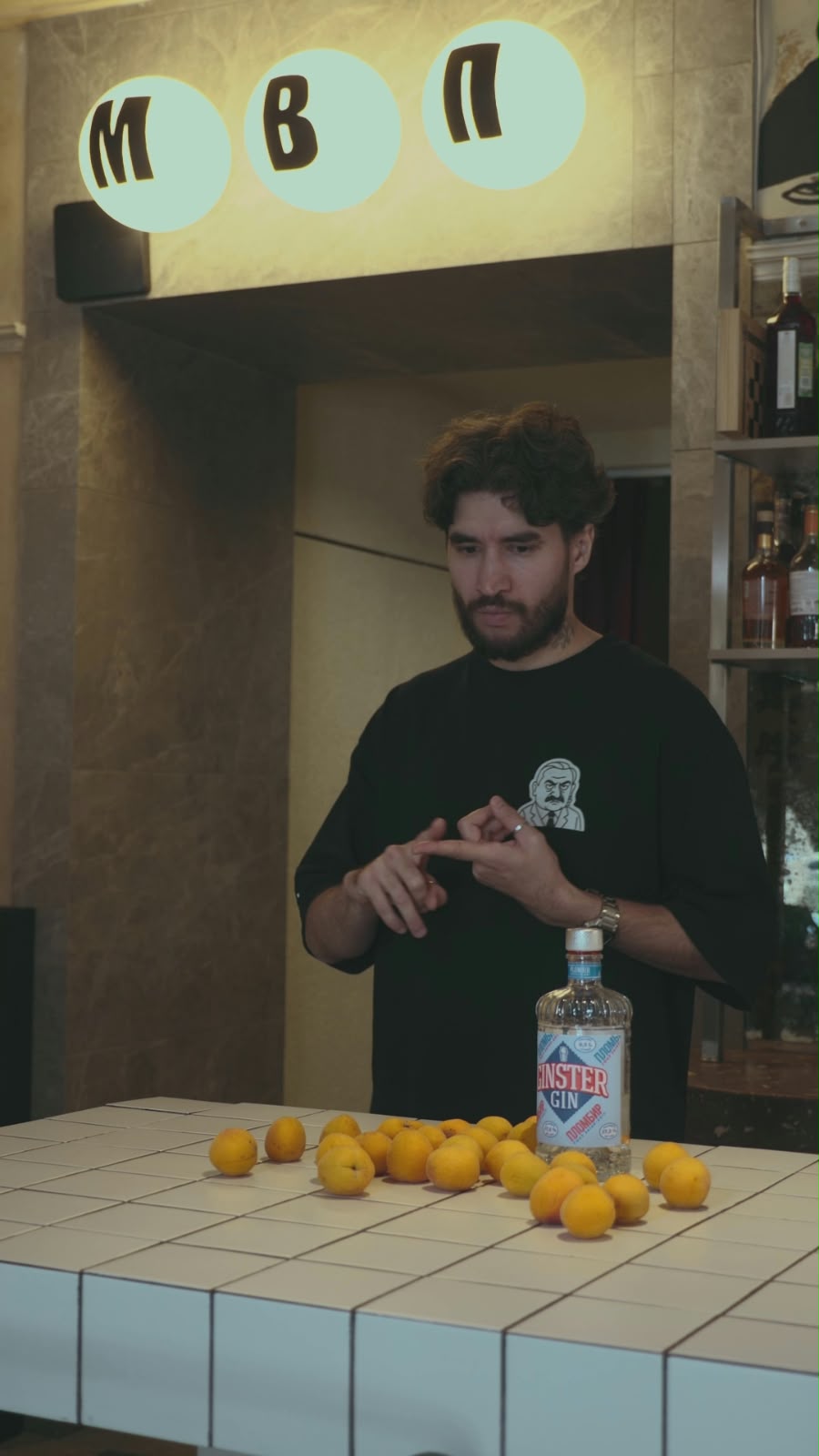 What excites Grigorii about experimentation with food is how little by little, he is shifting the guest’s own sense of what actually goes together.
“Imagine designing new food that has a desirable flavour profile, using ingredients like white sorghum that is known to be climate-resilient, or with local and seasonal ingredients that have a smaller carbon footprint. A futuristic scenario is that consumers — just like they now check the price or calorific content or whether the dish is vegan — will also look at the carbon footprint of a recipe before making a choice.”
But gaps in digital databases make such labels difficult to produce accurately. “The traceability of ingredients that go into a recipe is missing. Does the olive oil in a dish come from Europe or Egypt? Depending on that, its carbon footprint changes,” Bagler explains.
He adds that his lab is also using machine learning to predict how different molecules might taste, including how sweet, bitter or savoury.
 ⠀
One question the researchers are trying to answer is whether AI can predict how sweet a molecule will be simply from its chemical structure. If it can, Bagler says, the possibilities are enormous. Instead of testing countless compounds one by one, scientists could use AI to search through millions of potential molecules and identify the most promising ones. The ultimate goal is to find new sweet-tasting compounds that could provide the taste of sugar with little or none of the calories.
At a time when multinational companies are seeking alternatives to sugar, such research could eventually influence the formulation of foods and beverages.
Several limitations, however, remain. “It is still difficult to capture the taste of an ingredient; only a coarse approximation is made,” Bagler says. An ingredient’s flavour, he adds, can also change depending on how it is prepared, whether it is boiled or roasted, etc. Finer details on raw ingredients are missing as well. He explains with a question: “Our database lists the taste of chilli broadly, but what about the distinctive tastes of Guntur chillies, Bhut Jolokia and Kolhapuri mirchi?”
 ⠀
The challenge for scientists of computational gastronomy is not only to expand the existing food databases but also to incorporate the enormous diversity of ingredients, preparation methods and regional food traditions.
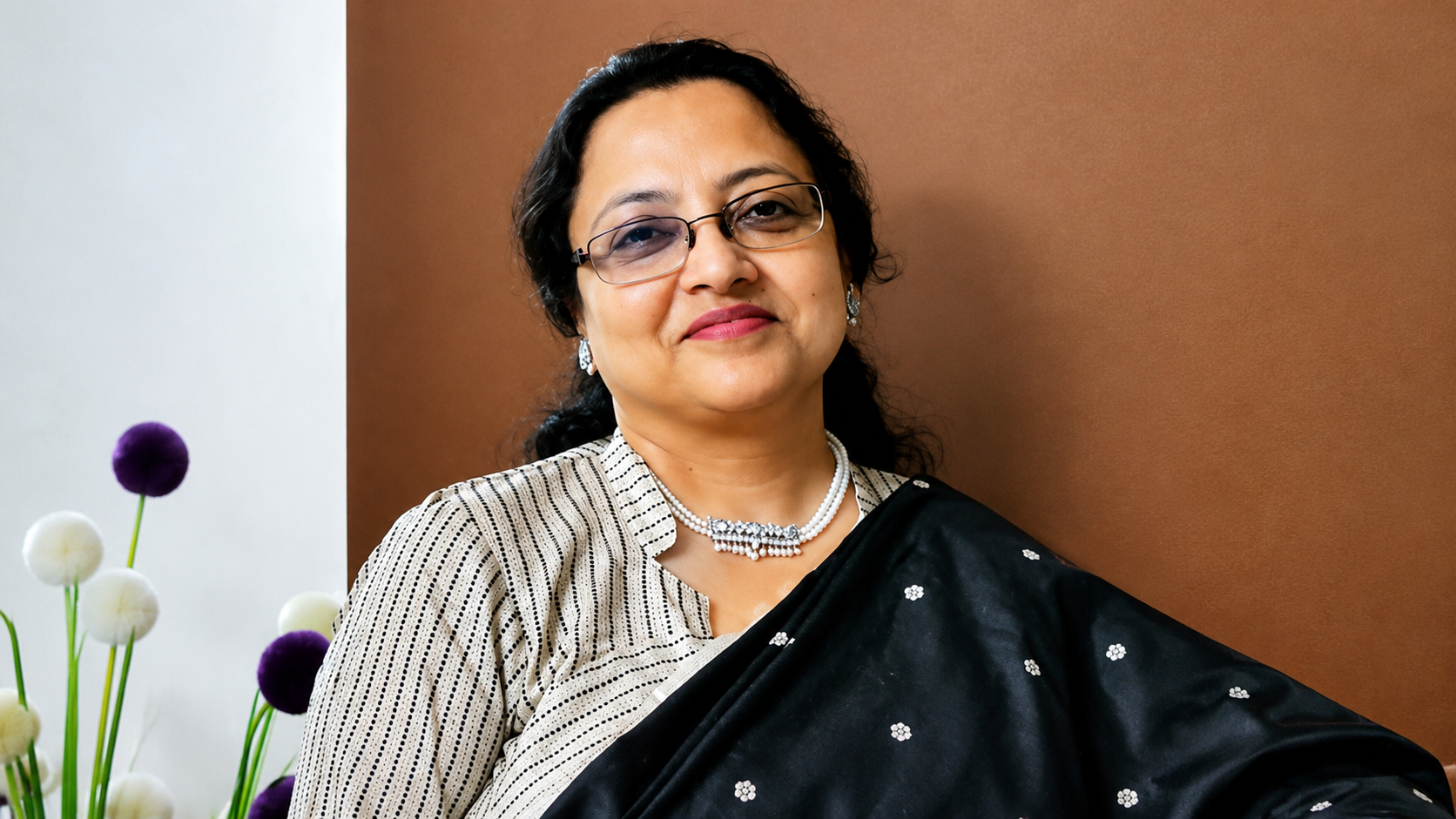 Professor Lipika Dey is part of a team of computer scientists and nutritionists from Ashoka University that is now engaged in building a comprehensive ‘Knowledge Graph of Indian Food’
This is particularly true in the context of India, where much of people’s food is missing from digital databases. “In the West, there are large databases of dishes with the exact nutritional value, complete with calorie counts and exact portions of nutrients and micronutrients. But there is very little data for Indian ingredients and dishes. The Indian Food Composition Table, published by ICMR, has detailed information for 528 raw food items only. The Indian Nutrient Databank, built by research teams, expands this to cover 1,095 individual food items and 1,014 commonly consumed Indian recipes only,” says Lipika Dey, Computer Science professor at Ashoka University.
A team of computer scientists and nutritionists from the university is now engaged in building a comprehensive ‘Knowledge Graph of Indian Food’ that contains thousands of Indian recipes and ingredients, with meticulous annotations on nutrition. The aim, says Dey, is to make personalised and customised nutritional recommendations, based on what a person, whether pregnant, diabetic, or playing a sport, requires.
But here, too, there are challenges that are uniquely Indian. “For instance, a winter samosa from Bengal has cauliflower instead of potatoes. And when using potatoes, it is not mashed like the North Indian variety,” she says.
The team is also making extensive use of Artificial Intelligence to analyse “imprecise recipes”, which is the hallmark of the Indian cooking process.
As Vitaletti of Rome’s Sapienza University says, “A recipe is not an algorithm. If the same recipe is given to 10 different chefs, the resulting dishes will likely exhibit substantial variation due to differences in technique, ingredient selection, interpretation, experience, and even environmental conditions.”
Much of Indian cooking involves knowledge that is transmitted orally within indigenous communities, most of which remain largely absent from online databases and cookbooks.
Looking to address this representational gap, the team at Ashoka University has been part of a collaborative research project conducted by Karya Inc. and Microsoft Research, with researchers reaching out to 338 rural women across six states and documenting 1,060 recipes containing 11,398 unique ingredients through audio interviews.
 ⠀
Vitaletti, along with Assistant Professor Dongyeon Park of South Korea’s Sejong University, is currently conducting computational research on rice dishes from Italy and South Korea. “While Korea embraces rice as a daily staple at the heart of dishes such as bap, bibimbap, and tteok, Italy employs rice in regionally distinctive preparations, including risotto, arancini, and traditional desserts,” he says.
The research will involve using a computational model to study how rice interacts with different ingredients in the two culinary traditions. It is expected to help identify possibilities for fusion dishes, which will not require years of trial and error in commercial kitchens.
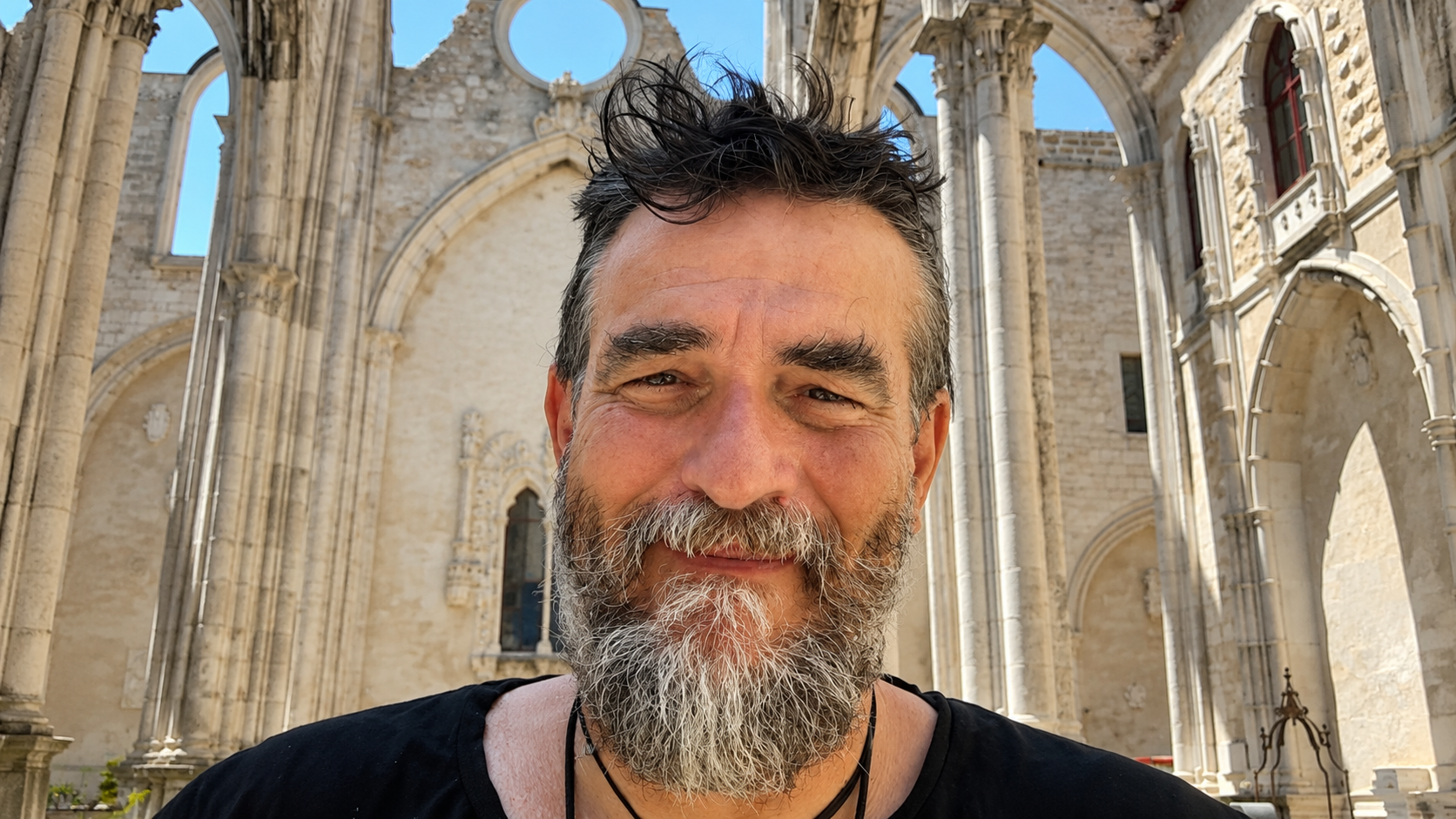 Andrea Vitaletti says ultimately the point of computational gastronomy is generating insights that help experts reflect on and better understand their own intuitions and judgments on food.
Ultimately, says Vitaletti, “bridging the gap between algorithmic predictions and human perception will be crucial for transforming computational gastronomy from an exploratory research area into a discipline capable of delivering applications with tangible societal and industrial impact”.
Grigorii emphasises that science does not eliminate the role of the chef or mixologist. If anything, he says, it makes that role more important.
When people go out dining, he says, they are looking for an experience or emotion they cannot easily recreate at home. “Pulling all of it together — the science, the technique, the molecules — into one coherent experience is something only a person can do. The database gives you possibilities, but not decisions: it can’t read the guest, the cost, the balance, or the presentation.”
He then cites an example: “I don’t want to pour mango-passionfruit with lemonade for the 100th time, but I draw a clear line between my taste and the guest’s taste. So I give them passionfruit-physalis (gooseberry), which, for the guest, is something familiar and delicious; for me, that bit of something new. The data suggests a combination, but the decision of how to serve it to the guest stays with me. And that, right there, is the chef-bartender’s job.”