


Journalism of Courage
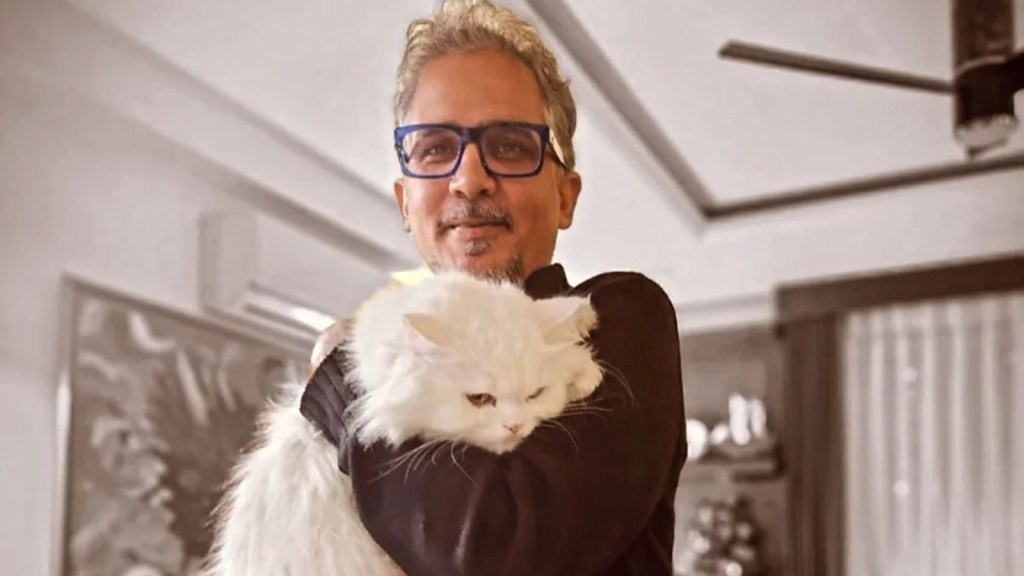 Sustainable leadership like Swiggy CEO Rohit Kapoor's is important to foster creativity as well (Rohit Kapoor/Instagram)
In stark contrast to the prevailing ‘hustle culture,’ Swiggy CEO Rohit Kapoor has vehemently rejected the notion that burning the midnight oil is essential for success. At a recent event, Kapoor criticised the idea that one must be ‘crazy’ for work to excel, emphasising the importance of a healthy work-life balance.
“Kyu burn kar rahe ho midnight oil, kisne bola hai? Ghar jao, dog hai, biwi hai, girlfriend hai, bache hain. Kuch toh karo unke sath jake. Burn karke tumne kya ukhaad liya kisi ka. So, this whole culture of ‘to build something great you’ll have to give everything up”, mar jaoge kisi din fir vahi karte karte uske baad kya hoga. (Why are you burning midnight oil? Go home to your dog, wife, girlfriend, kids. You don’t need to give everything up. You’ll die one day so what’s the point?)” Kapoor said at a YourStory event. His video quickly went viral, resonating with many who have experienced the detrimental effects of toxic work cultures.
Kapoor’s statement comes in the wake of the tragic death of a young CA employee at EY India in Pune, which has reignited discussions about the pressures faced by professionals in India. While acknowledging that hard work is essential, Kapoor stressed that it should not come at the cost of one’s well-being.
View this post on Instagram
“You don’t need to hustle till 3 am every day. Some days you will have to, but not every day…I think that’s bulls**t. Not needed. Hard work is needed. I worked damn hard all my life. I don’t want to say that anything comes easy. Nothing has come easy to me in my life, but it has not come at the cost of being crazy. You don’t need to be crazy,” he added.
His comments have sparked a much-needed conversation about the need to re-evaluate the ‘hustle culture’ and prioritise mental health and personal life alongside professional success.
Arouba Kabir, an emotional and mental health professional and founder of Enso Wellness, says having bosses and leaders who promote work-life balance is important. These people set an example that will be followed by not only their employees but also other companies around them.
“Refreshing to see leaders promoting work-life balance, rather than glorifying extreme work hours. There’s a need for balance because otherwise you’ll burn out,” she said in an interaction.
Sustainable leadership like Kapoor’s is important to foster creativity as well, Kabir explained.


