


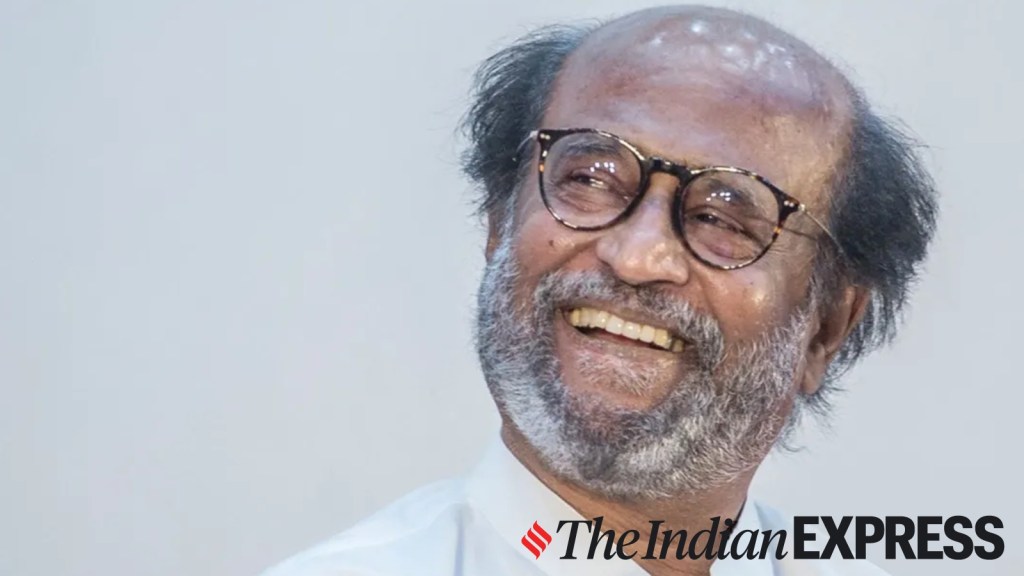


Jailer 2 actor Rajinikanth had the most honest confession about his humility in an interaction with director and screenwriter Nelson Dilipkumar. “Of course, I like acting. But more than that, I liked the conductor job that I did for five years. So, I identify myself as a bus conductor. That is why I often go to Bengaluru to look at the bus. It brings me happiness. So, that way, you can say…I like being down to Earth,” he said while speaking in Tamil on Sun TV’s special show for the film.
DISCLAIMER: This article is based on information from the public domain and/or the experts we spoke to.

The world sees a superstar, but his earlier identity remains meaningful to him. His reflection raises an important psychological question: When the world changes how it sees us, do we allow that recognition to determine how we see ourselves?
According to Delnna Rrajesh, psychotherapist and relationship breakthrough coach, his answer revealed something deeper than modesty.
“We spend decades building careers, reputations and positions of authority. Gradually, our designations become our introductions, our achievements become our identities, and other people’s admiration becomes a measure of our worth. Success brings confidence, but when our entire sense of self becomes dependent upon it, we build our emotional stability on something temporary,” said Delnna.
Delnna noted how she has seen people reach extraordinary professional heights, command tremendous respect for twenty or thirty years, and then struggle profoundly when retirement, ageing or changing circumstances take away their positions. “The phone stops ringing. Decisions no longer require their approval. The attention they once received diminishes. Suddenly, they face an unsettling question: Who am I when nobody needs me in the role that once defined me? Psychology recognises that losing a central role can disrupt our sense of identity, purpose and belonging. What appears externally as retirement may feel internally like grief. People are not necessarily mourning their jobs; they may be mourning the version of themselves who felt important, capable and indispensable,” reflected Delnna.
View this post on Instagram
This is why identity must be larger than achievement. “We need relationships where we are loved beyond our usefulness, interests that exist beyond professional success, and values that remain meaningful when recognition disappears.”
 Here’s what you should consider (Photo: Freepik)
Rajinikanth’s reflection also reminds us that humility is not denying achievement. “It is recognising that success changes our circumstances, not our fundamental human worth. Remembering our beginnings can provide continuity without preventing growth. We must teach children this distinction early. Excellence deserves encouragement, but self-worth cannot depend exclusively on marks, trophies or applause.”
Perhaps the wisest preparation for success is to build a life that remains meaningful even after success changes form. Because the greatest tragedy is not losing a position we once held. It is losing ourselves because we believed that position was all we were.